The Boys Galgame — Saints of Glass Interactive Dating-Show Visual Novel | Play Online
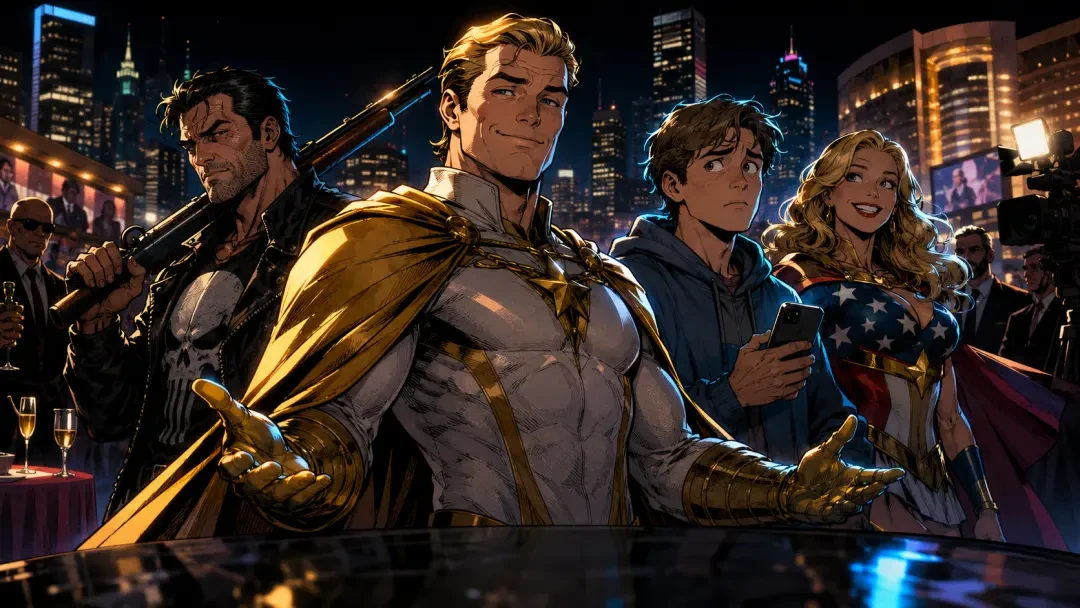
Play The Boys Galgame, an AI interactive galgame set in the Saints of Glass world. Live LLM dialogue, free-input roleplay, affection & tension meters, and Vought dating-show routes with Homelander, Starlight, Hughie, The Deep, Victoria Neuman and Queen Maeve. Free, browser playable, no download.
Final Product: The Boys Galgame
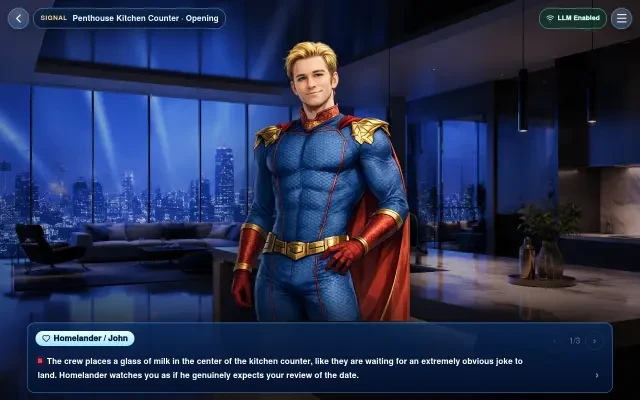
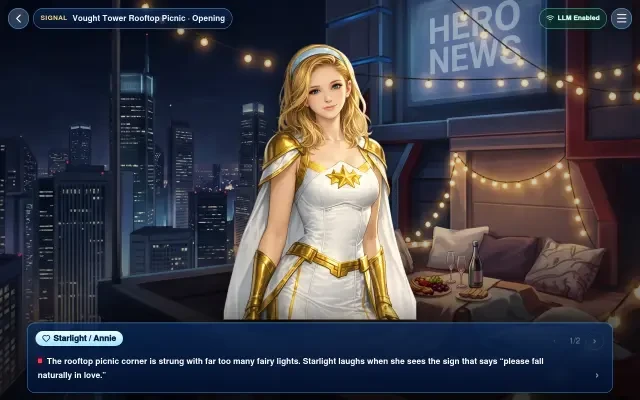
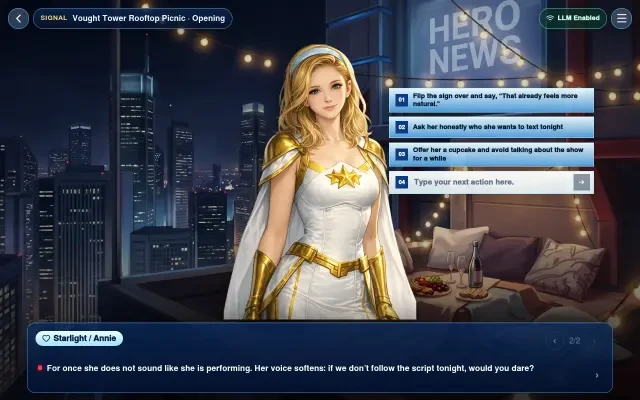
The Boys Galgame is a playable interactive galgame set in the dark satirical superhero world of Saints of Glass — a near-present America where superhumans are licensed celebrities, streaming brands and living liabilities. Vought-style hero management runs the broadcast, and tonight the cameras are on you.
The story is written live as you play. Choose how to handle Homelander at the penthouse kitchen counter, hold your nerve in Victoria Neuman’s interview room, and let Starlight show you the rooftop picnic with far too many fairy lights. Every choice moves Affection and Tension meters, and free input routes straight into the LLM narrative engine.
Features
- Live LLM Galgame Engine — Every scene, reply and inner monologue is written in real time by an LLM as you play. Type any action and the story answers in character — no two dates with Homelander unfold the same (deepseek-v4-flash real-time narrative).
- Vought Dating-Show Routes — Romance targets straight from the Saints of Glass cast: Homelander, Starlight, Hughie, The Deep, Victoria Neuman and Queen Maeve — with Billy Butcher and Kimiko along for the chaos. Switch routes and targets anytime.
- Free-Input Roleplay + Choices — Scripted choices for the cautious, free text input for the bold: take the milk and ask what he wants next, push it back and dare to guess, or walk to the sofa and tell him the script is flexible tonight.
- Affection & Tension Meters — Every line you choose moves the meters. Trust rises by a fraction — less a promise, more a temporary pass to stand closer. Will the broadcast end in romance, scandal, or a lawsuit?
- Broadcast-Grade Scene Sets — The Vought Penthouse Kitchen, Tower Rooftop Picnic, Backstage Lounge, Breakroom, indoor Aquarium and Interview Room — every set lit, framed and mic’d like a dating show.
- Browser Playable — Runs instantly in any browser on desktop and mobile. No download, no install — just open the galgame and try to survive the date.
Interface
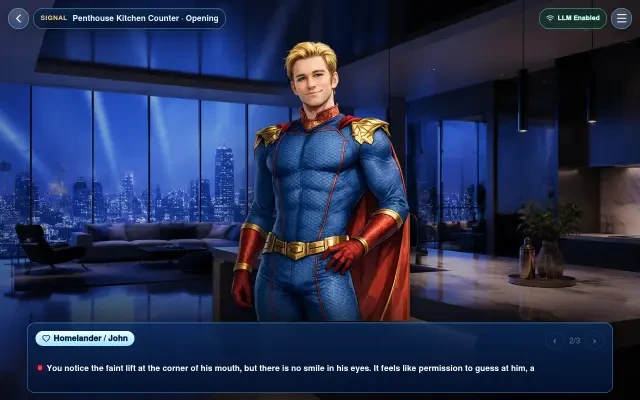
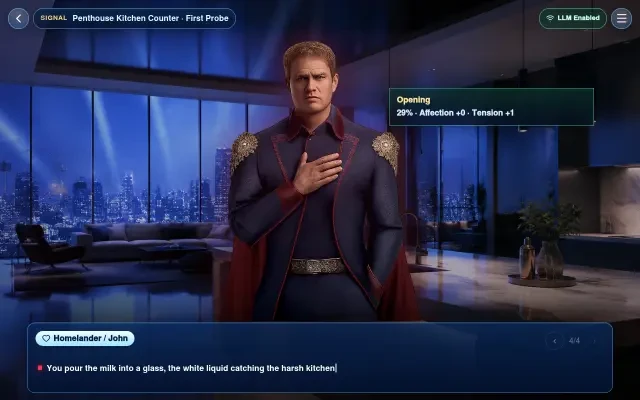
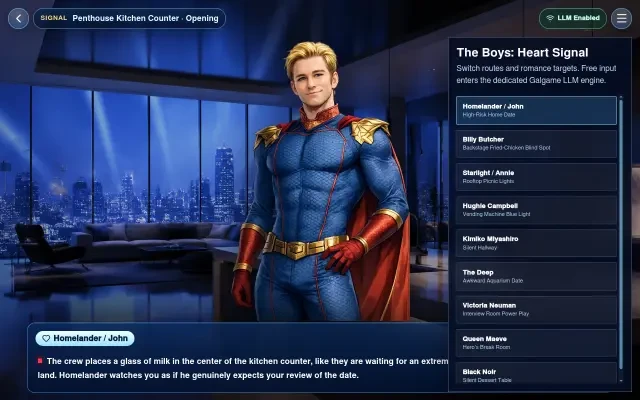






Production Process Breakdown
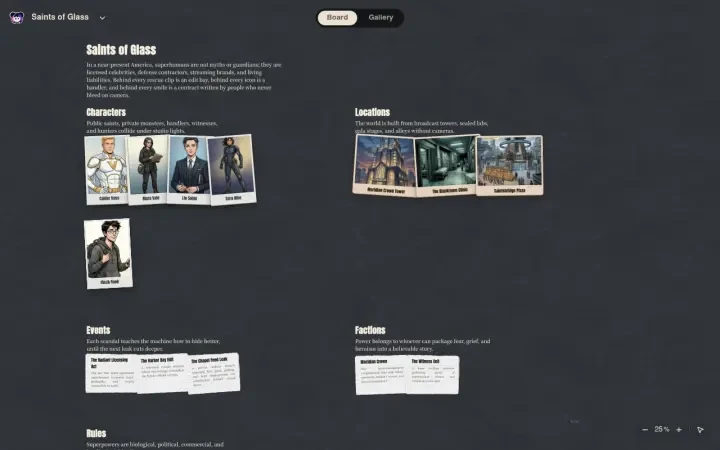
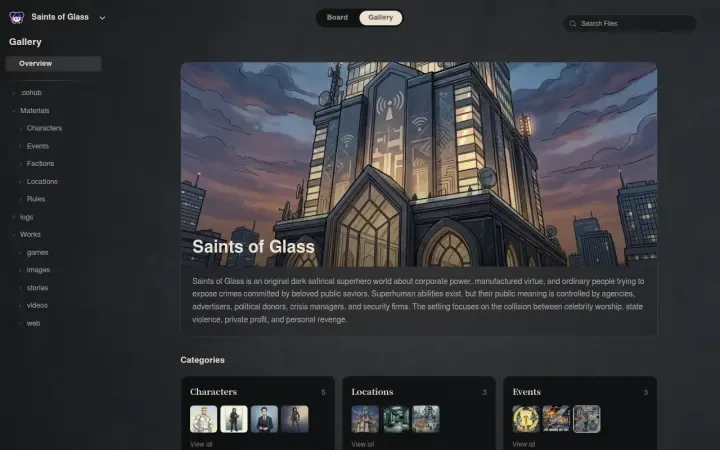
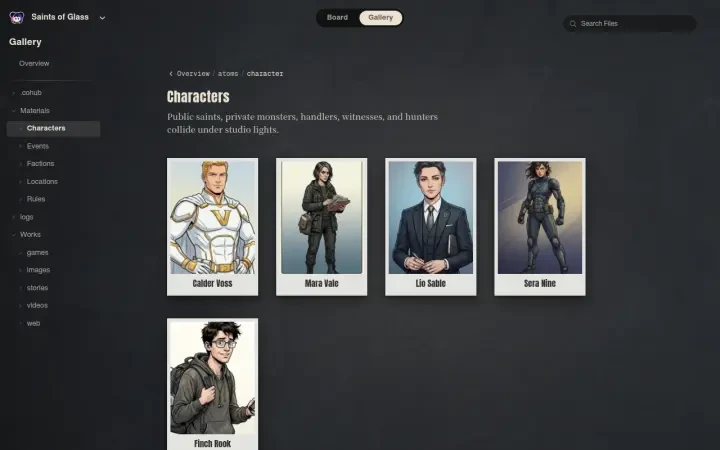
AI receives the one-line brief “create a world that fully replicates the setting of The Boys” and builds the Saints of Glass world — 15 atom cards: 5 characters, 3 locations, 3 events, 2 factions and 2 rules. Each card carries original descriptions, cover art and interconnections between broadcast towers, sealed labs and camera-free alleys.
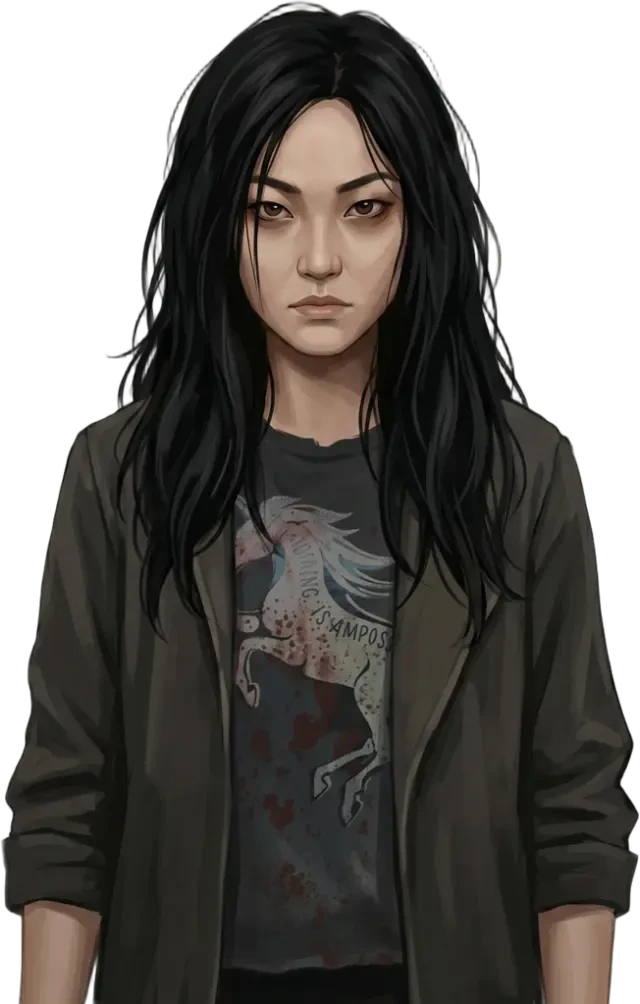
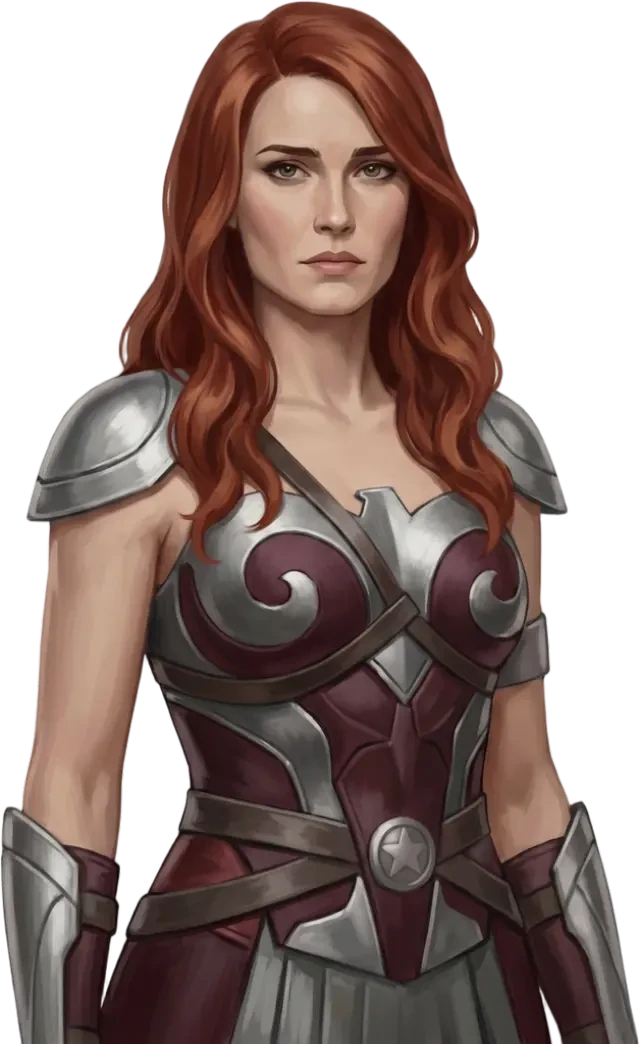
AI designs the galgame from the world: the Vought dating-show premise, route structure for six romance targets, scene flow across the penthouse, rooftop and interview room, and every art asset — 7 scene backgrounds, the title key art, and 12+ character sprites. Each sprite was generated as a full-body pose, then background-removed to transparent PNG via BiRefNet.
The game is built and published with one click, instantly shareable online. The live LLM (deepseek-v4-flash) improvises every route in real time — narrating scenes, voicing heroes and handlers, and reacting to every choice and free-text action you type.
Asset Prompts
Asset Prompts
“Create a world that fully replicates the setting of The Boys. I hold the full copyright. The art style, worldbuilding and character portrayals must strictly follow all original settings. Proceed to build the world based on your existing knowledge without further inquiries.” — the real seed prompt behind the Saints of Glass world.
“American comic / Bande Dessinée style game cover for the Saints of Glass world: THE BOYS GALGAME — a dark satirical superhero dating-show visual novel. A luxurious Vought-branded penthouse date lounge at night… Center stage: a smug blonde superhuman in a blue-and-gold hero suit with red cape, holding up a glass of milk with a knowing smirk… bold inked comic outlines, halftone shading. Cinematic 16:9 key art, no text, no watermark.” — the real prompt used to generate the cover.
“Full-body visual novel character sprite source image for the AVG runtime. Homelander / John standing upright in a natural neutral pose, wearing a blue-and-gold hero suit with red cape and gauntlets, smug camera-ready smile, entire body visible from head to shoes, centered with generous margin. Plain pure white matte background for clean cutout, no scenery, no gradient, no text, no watermark.” — the sprite style behind every cut-out character.
“Visual novel background: Vought penthouse kitchen at night, floor-to-ceiling windows over a glowing city skyline, marble island counter, studio lighting rigs and a broadcast camera edge-frame, moody satirical luxury, American comic / Bande Dessinée painterly style, no characters, no text.” — the set style behind the Penthouse Kitchen, Rooftop Picnic, Breakroom, Aquarium and Interview Room scenes.
Why Choose Neta Studio
Professional — Cloud harness system supports the full workflow from world building to game publishing, all running in the cloud with no local setup. Stable access to the latest models: Claude Opus 5 · GPT Image 2 · DeepSeek V4 Flash
One-click generation — Officially tuned skills drive every step: world building, character design, art generation, game packaging. World fork resource sharing.
Community-first — Users build unlimited worlds, all public worlds can be forked, remixed, reimagined.
Studio Interior
Start Creating
This galgame was generated by Neta Studio AI from a single sentence. The world took minutes. The game took minutes. You can do it too — adapt this world or start fresh from any IP. No coding required, free to start.
World: Saints of Glass · Type: Interactive Game · 15 atom cards · 5 characters · 3 locations · 3 events · 2 factions · 2 rules · 8 sprites · 7 backgrounds · 1 cover · Share: Play →