Wutong Lane: Chapter One — Interactive Chinese Literary Web Novel | Neta Studio
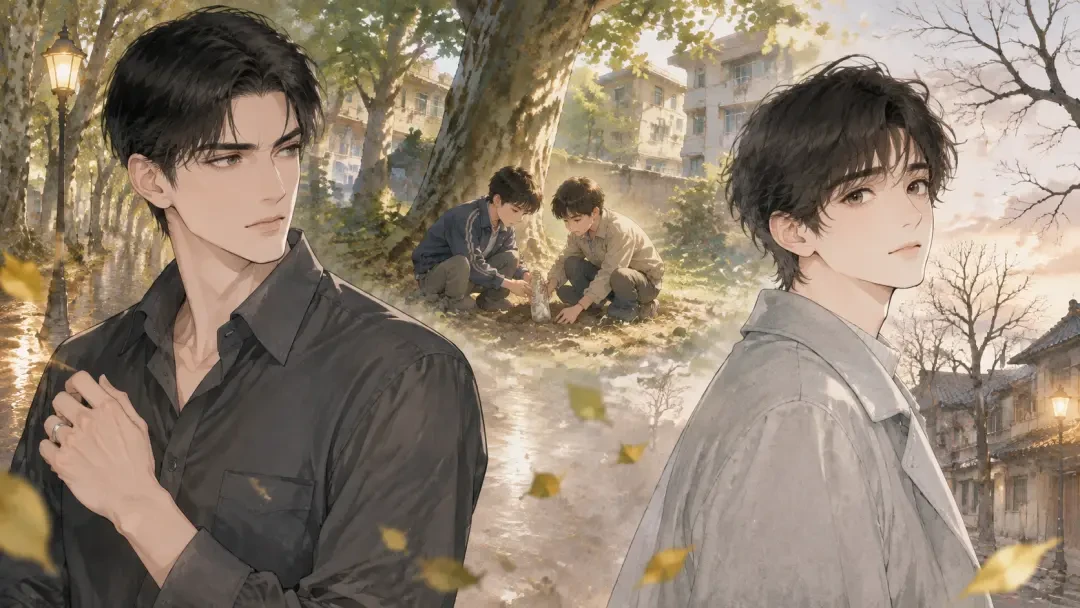
Read Wutong Lane: Chapter One — the opening chapter of 雪松与白茶, a contemporary Chinese literary web novel about two boys, one plane-tree lane and a glass bottle buried under the tree. A browser-based reading experience with full-bleed chapter art, a five-chapter reader and one stable share link, built end-to-end in Neta Studio.
Final Product: Wutong Lane — Chapter One
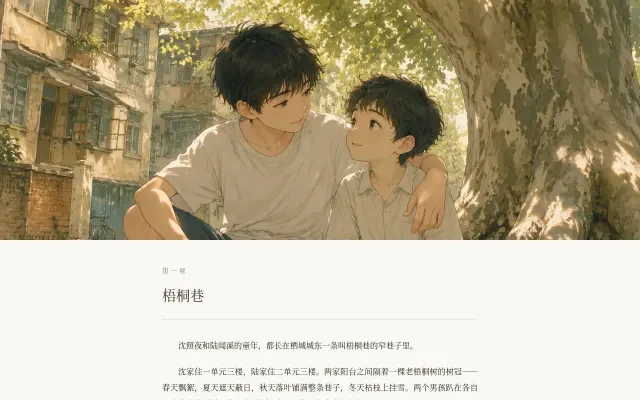
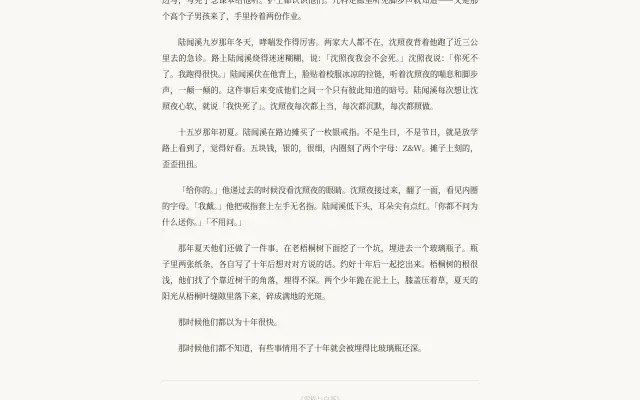
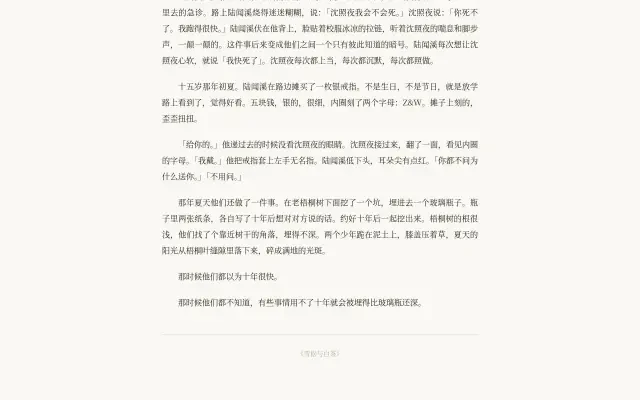
Wutong Lane: Chapter One (第一章 · 梧桐巷) is the opening chapter of 雪松与白茶 (Cedar and White Tea) — a contemporary Chinese literary web novel about 沈照夜 and 陆闻溪, two boys who grow up in neighbouring third-floor flats on one narrow lane in 栖城, separated only by the crown of an old plane tree. It is published as a browser-based reading experience: the chapter text sits in a quiet centred column under a full-bleed illustration, and the same world ships a five-chapter reader with a thumbnail table of contents and previous/next navigation.
The story opens at the beginning: the lane, the tree, the hospital runs, the five-yuan silver ring engraved Z&W, and the glass bottle the two boys bury under the wutong tree with two notes about who they will be in ten years. From a one-line seed — 双男主,竹马竹马,久别重逢 — Neta Studio generated the world, the characters, the scene art and this reading app, with a real share link, in minutes.
Open Chapter One: read Wutong Lane: Chapter One → · Live page: open the published chapter → · Full novel: 雪松与白茶 five-chapter reader →
Features
- Literary Chinese Prose — the chapter is written as contemporary Chinese literary fiction, not dialogue-bubble filler: 梧桐巷 is a character in its own right, and the prose lingers on the ring, the hospital corridor, the bottle and the light through the leaves.
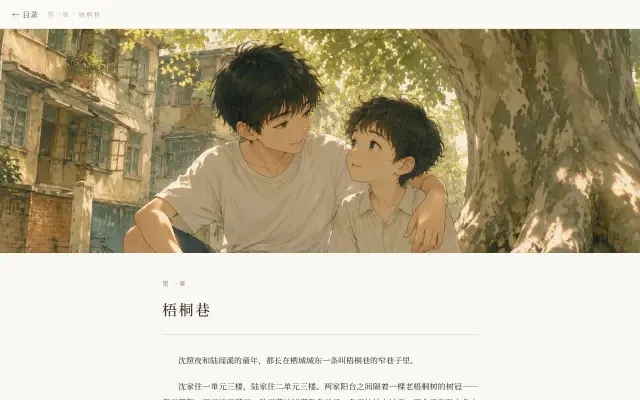
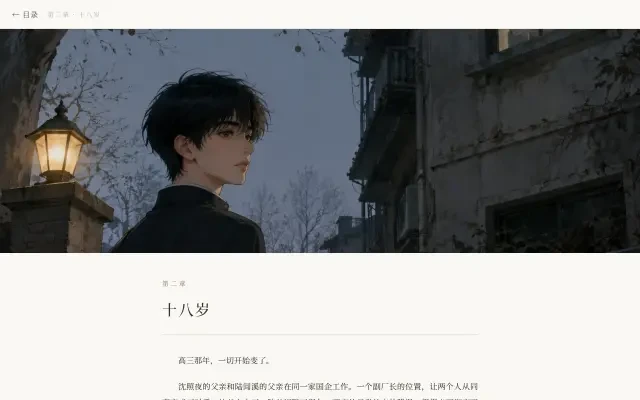
- Full-Bleed Chapter Art — every chapter opens on a full-width illustration generated for this world: the boys under the summer plane tree for 梧桐巷, the winter lane and the window for 十八岁, the two parallel lives for 七年, the rain-night reunion for 重逢.
- Five-Chapter Reader — the companion 雪松与白茶 app lays the whole story out as a thumbnail table of contents (第一章 梧桐巷 → 第五章 答案); tap a chapter and the hero art and text swap in place, no page reload.
- Previous / Next Navigation — inside the reader, 目录 returns to the contents and the previous/next controls walk the story chapter by chapter, so the whole novel can be read as one continuous sitting.
- Reading-Tuned Typography — Noto Serif SC at a comfortable size, justified paragraphs with first-line indents, generous line height and a 680px measure tuned for long-form Chinese reading on both desktop and phone.
- Static, No-Install, One Link — the whole experience is a static page that runs in any browser: no download, no account, no dependencies — just a stable share link you can open or send.
Interface
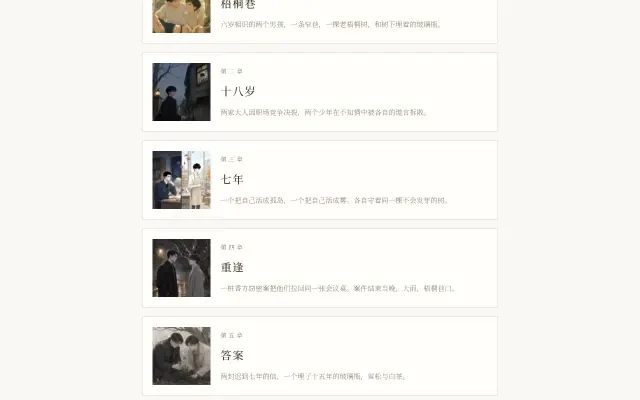
Production Process Breakdown
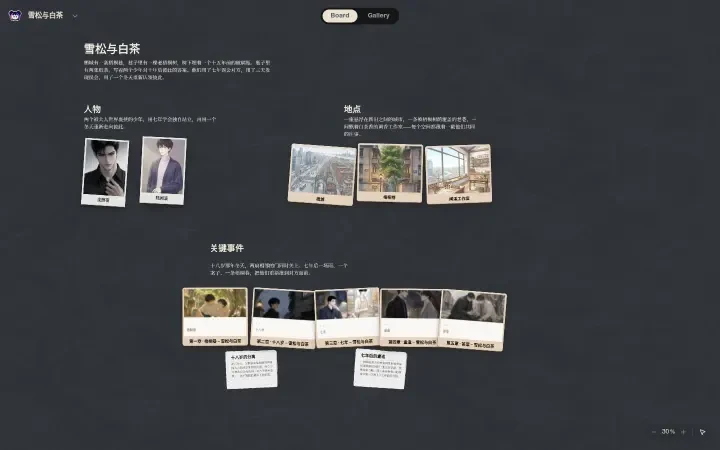
From the author’s one-line seed — 双男主,ABO,竹马竹马,久别重逢 — Neta Studio builds the canon of 雪松与白茶: the overview (two neighbouring boys, one plane-tree lane, fifteen years of interwoven memory), the prologue of the glass bottle buried under the tree, the core conflict of two fathers’ workplace rivalry that splits the families, and the visual style (anime manhwa illustration style, delicate pencil-like linework, thin clean outlines, subtle watercolor shading, gentle gradients). The world resolves into 7 atom cards — characters 沈照夜 and 陆闻溪, locations 梧桐巷 / 栖城 / 闻溪工作室, and the two pivotal events 十八岁的分离 and 七年后的重逢.
The experience is produced asset-first: character reference portraits of both men as children, teenagers and adults, key event illustrations for the forced separation and the rain-night reunion, and location covers for the lane, the city and the perfume studio — all held to the world’s anime-manhwa pencil-line and watercolour style so every image reads as one story.
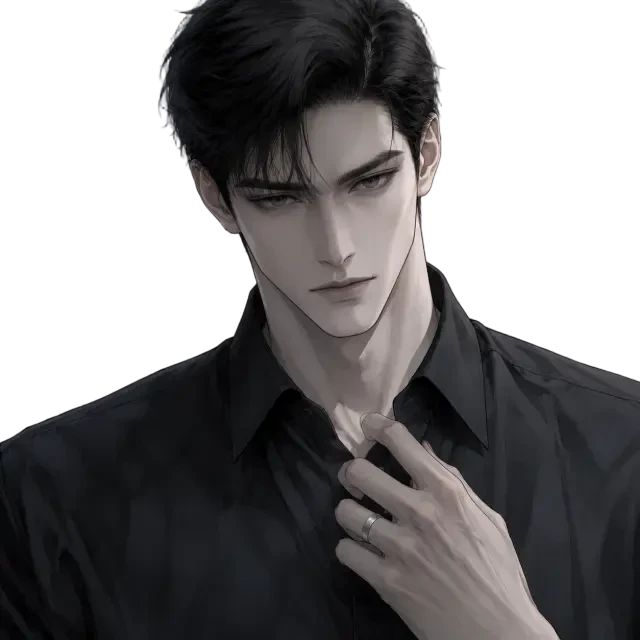
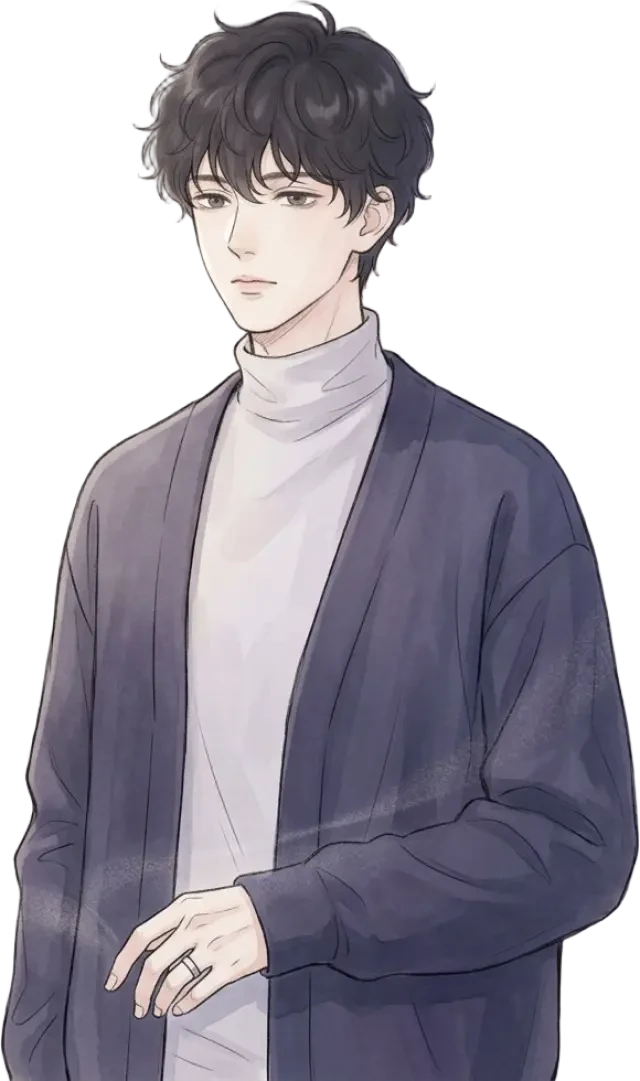
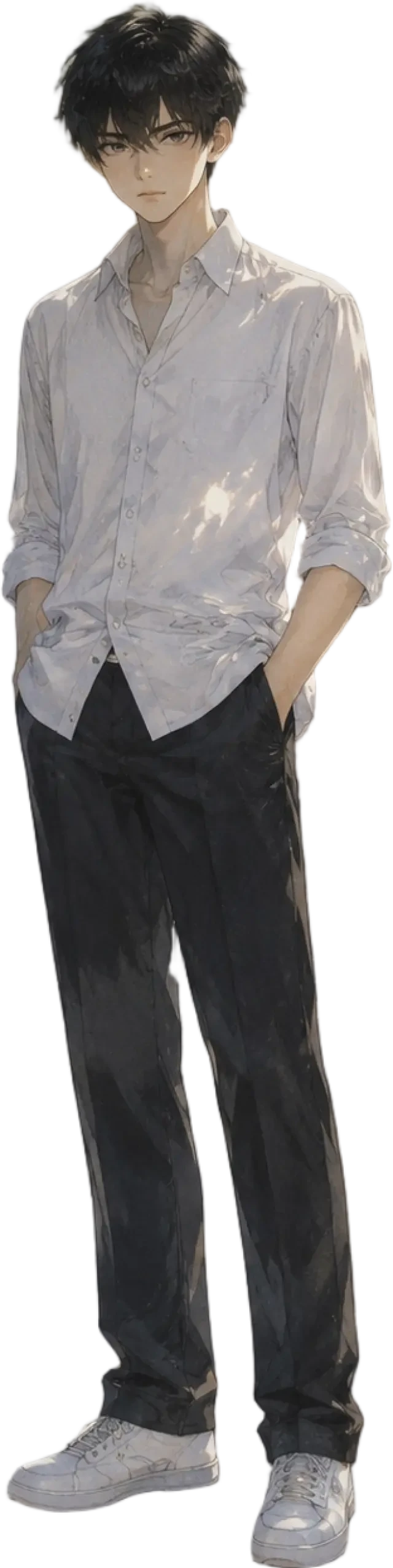
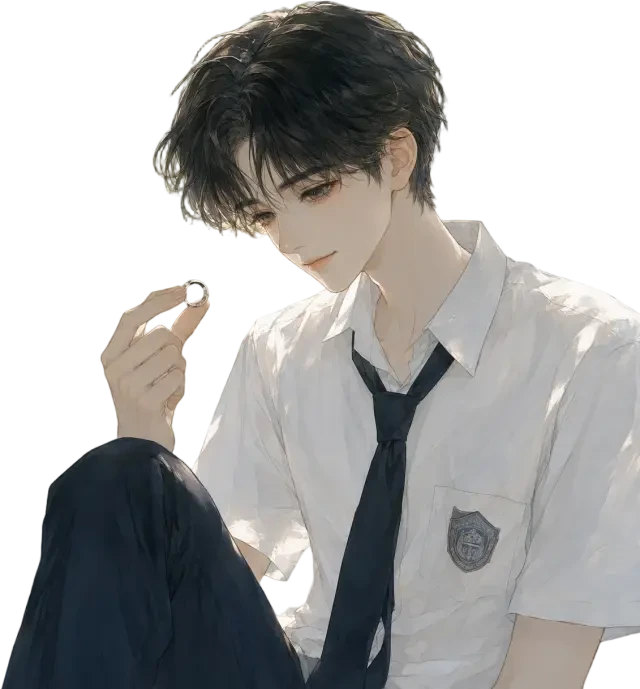
Each character portrait is passed through BiRefNet General for single-image background removal, returning a real transparent PNG — 沈照夜 and 陆闻溪 as adults and as teenagers stand free of their backgrounds, ready to be reused as web assets.
The reading experience is assembled as a static page — the chapter text, the five-chapter table of contents, the in-place reader with previous/next navigation and the real chapter art — QA-checked in a real browser, then published to a stable share link that opens in any browser.
Asset Prompts
Real Generation Prompts
"anime manhwa illustration style, delicate pencil-like linework, thin clean outlines, subtle watercolor shading, gentle gradients" — the world’s shared visual baseline, applied to the character portraits, the key event illustrations and the location covers so every asset reads as one quiet, literary story.
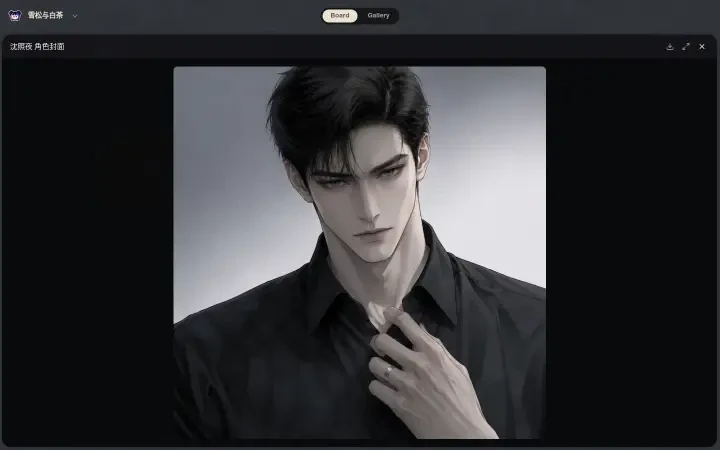
"Character reference-style cover portrait of a single male character named 沈照夜, a 28-year-old special-case-unit prosecutor. Twenty-eight years old, male, tall and lean (187cm), hard sharp facial features, black side-parted short hair, sharp commanding eyes, an innately oppressive and cold aura. Wearing a dark grey or black shirt, a plain silver ring on his left ring finger. Calm, silent, extremely rational temperament with a hidden fragile core. Single clear main subject as absolute focus, upper-body portrait, simple clean soft gradient background, no text, no extra characters, no busy props. anime manhwa illustration style, delicate pencil-like linework, thin clean outlines, subtle watercolor shading, gentle gradients."
"Generate a character reference-style cover image for the world card of 陆闻溪. 独立调香师, 27 years old, male, 178cm, lean and pale, soft handsome features, black slightly wavy fluffy short hair, a faint trace of fragrance always on his wrist that changes every day. Surface softness and easy company, with a carefully maintained fog behind it — he is not angry, he is just tired, and has spent seven years getting used to not expecting anyone. Single clear main subject as absolute focus, simple clean soft gradient background, no text, no extra characters, no busy props. anime manhwa illustration style, delicate pencil-like linework, thin clean outlines, subtle watercolor shading, gentle gradients."
"A character reference portrait of 沈照夜 as a teenager, around 15 years old. A tall teenage boy with cold sharp facial features beginning to emerge, short black hair slightly messy, dark piercing eyes, already has a restrained intensity about him. Wearing a loose school uniform with top button undone, sleeves rolled up. Standing under a large plane tree on 梧桐巷 in summer, dappled sunlight through the leaves. He has the beginning of an adult's presence but still boyish at the edges. Composition: full body shot of a single teenage character, simple background of old lane and trees. anime manhwa illustration style, delicate pencil-like linework, thin clean outlines, subtle watercolor shading, gentle gradients. No text."
"A character reference portrait of 陆闻溪 as a teenager, around 14-15 years old. A slender teenage boy with soft delicate features, pale complexion, slightly wavy black hair, warm gentle eyes that hide depth. He has an understated presence — not flashy but you can't look away once you notice him. Wearing a clean school uniform, sitting on a windowsill with one knee pulled up. Summer afternoon light, the crown of a large green plane tree visible through the window. He is holding a small silver ring between his fingers, looking at it with a subtle smile. Composition: medium shot of a single teenage character, window and tree as background. anime manhwa illustration style, delicate pencil-like linework, thin clean outlines, subtle watercolor shading, gentle gradients. No text."
"A key event scene illustration for a contemporary Chinese drama. Scene: a winter evening at 梧桐巷 old lane, bare plane tree branches against grey sky, dim yellow streetlamp casting warm light. Two teenage boys in the midst of forced separation. One is a tall 18-year-old boy with sharp features, messy black hair, wearing a dark school uniform, standing at the lane entrance looking back with a restrained pained expression, a single dried sycamore seed clutched in his palm. The other is a slender 17-year-old boy with soft delicate features, pale skin, slightly wavy black hair, visible at a third-floor window of an old residential building, hand pressed against the cold glass, looking down, tears welling in his eyes. Distance between them — one on the ground, one at the window. Cold winter atmosphere, bare branches overhead. Composition: medium wide shot, split focus between the boy on the ground and the boy at the window, melancholic and quiet. anime manhwa illustration style, delicate pencil-like linework, thin clean outlines, subtle watercolor shading, gentle gradients. No text."
"@沈照夜, @陆闻溪, A key event scene illustration for a contemporary Chinese drama story. Scene: a rainy winter night at 梧桐巷, the old lane with a large bare plane tree. Two men in their late twenties stand facing each other under the streetlamp in heavy rain. One in a soaked black overcoat, sharp features, intense restrained expression, water dripping from his brow. The other in a light grey coat, softer features, eyes red-rimmed, rain mixing with tears on his face. The old plane tree looms behind them, bare winter branches. Yellow streetlight reflecting in puddles on the ground. They stand close but not touching — seven years of distance visible in the space between them. Composition: medium shot, both figures in frame, the tree and rain as atmosphere, moody and emotional. anime manhwa illustration style, delicate pencil-like linework, thin clean outlines, subtle watercolor shading, gentle gradients. No text."
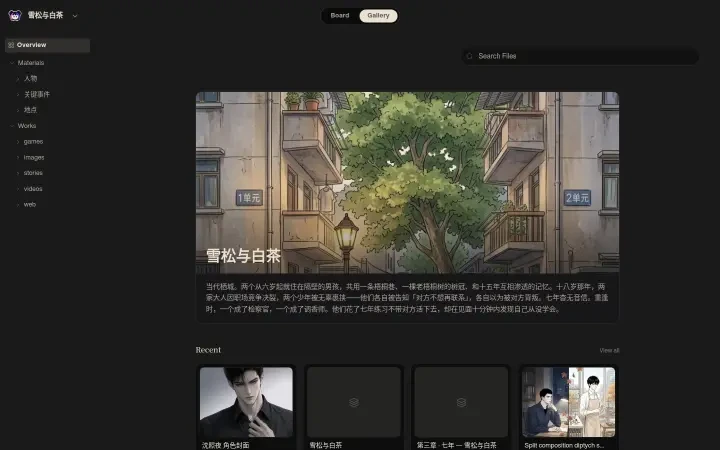
"Generate a location cover image for the world card of 梧桐巷. 栖城城东一条八十年代的窄巷子,两侧是旧式单元楼,沈家住一单元三楼,陆闻溪住二单元三楼,两家阳台之间隔着一棵老梧桐树的树冠。春天梧桐飘絮,夏天树冠遮天蔽日,秋天落叶铺满整条巷子,冬天枯枝上挂雪。巷口一盏昏黄的路灯。Show the most recognizable view of this location, readable at a glance with one clear visual centre; people only support scale and atmosphere. anime manhwa illustration style, delicate pencil-like linework, thin clean outlines, subtle watercolor shading, gentle gradients."
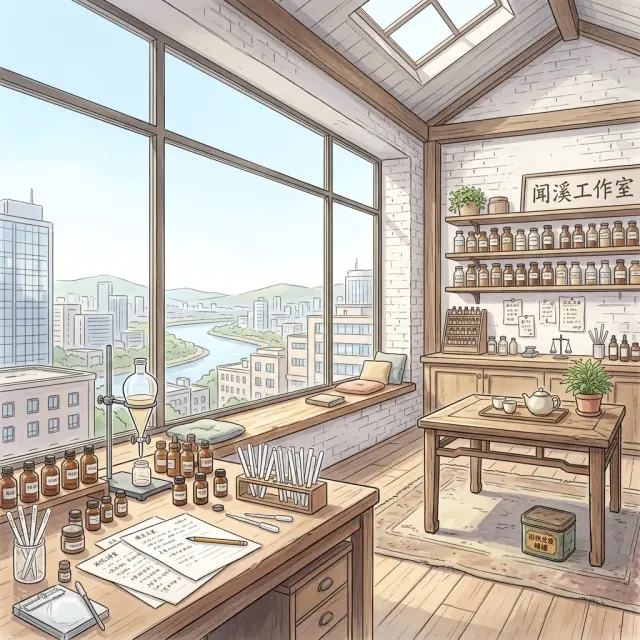
"Generate a location cover image for the world card of 闻溪工作室. 陆闻溪的独立调香工作室,位于栖城城西一栋改造过的老厂房顶层。整面落地窗,窗外是城市天际线,窗内是几百种香料和一张旧茶桌。工作台上摆着分液漏斗、试香纸和密密麻麻的手写配方;茶桌靠窗,桌下藏着一个不起眼的旧铁皮糖罐。空间开阔,光线充足,空气中悬浮着极淡的香气。Show the most recognizable view of this location, readable at a glance with one clear visual centre. anime manhwa illustration style, delicate pencil-like linework, thin clean outlines, subtle watercolor shading, gentle gradients."
"16:9 landscape cinematic key-art poster for a contemporary Chinese literary drama interactive web novel, title 雪松与白茶 / Wutong Lane: Chapter One. Two young men in their late twenties stand in an old plane-tree lane in Qicheng: @沈照夜 — tall and lean, hard sharp features, black side-parted short hair, cold restrained gaze, dark grey shirt, a plain silver ring on his left hand — and @陆闻溪 — slender and pale, soft delicate features, slightly wavy black hair, warm gentle eyes, light grey coat. Between them, a memory from childhood: two boys kneel under the huge old wutong (plane) tree, unearthing a glass bottle with two folded paper notes, dappled summer light through the leaves, 1980s residential buildings behind. Bare winter branches and golden streetlight in the foreground, falling wutong leaves drifting across the scene. Quiet, tender, melancholy reunion mood, literary and atmospheric. anime manhwa illustration style, delicate pencil-like linework, thin clean outlines, subtle watercolor shading, gentle gradients, muted warm palette with soft tea-white and cedar-green accents, cinematic composition with generous negative space. No text, no lettering, no logos, no watermark, no extra fingers, no malformed hands, no photorealism. Landscape 16:9."
Why Choose Neta Studio
Professional — The cloud harness system supports the full workflow from world building to publishing interactive web pages, all running in the cloud with no local setup, with stable access to frontier models: Claude Opus 5, GPT Image 2, Seedance 2.0, BiRefNet and DeepSeek.
One-click generation — Officially tuned skills drive every step: world building, character portraits and location art, key-event illustration, background cutout to transparent sprites, reader assembly and instant sharing of the finished chapter.
Community-first — Users build unlimited worlds; all public worlds can be forked, remixed and reimagined into new novels, games and interactive experiences.
Studio Interior
Start Reading
This complete reading experience was generated by Neta Studio AI from a single sentence. The world took minutes. The novel and its reader took minutes. You can do it too — adapt this world or start fresh from any IP. No coding required, free to start.