Day Ember City — Flame of the Levant: The First Crusade from the Golden Gate of Constantinople
A complete world generated from the story framework of 黎凡特之焰 (Flame of the Levant) — 32 atoms: 6 characters, 16 locations, 5 events, and 5 factions, from the golden gates of Constantinople to the blood-soaked streets of Jerusalem. In 1096, beneath the Golden Gate, iron and silk met for the first time. The world is not the end point, but the starting point of all creation.

Worldview
Day Ember City is the English name of the world 黎凡特之焰 — Flame of the Levant: a complete AI-built world focused on the First Crusade of 1096–1099, told from the diplomatic perspective of the Byzantine Empire. In 1096, beneath the Golden Gate of Constantinople, iron and silk met for the first time — crusader steel and Byzantine silk, faith and calculation. The empire needs crusader strength to recover its lost Anatolian lands, yet it watches these Latin knights as potential invaders at its own gates. From the sermon at Clermont to the blood of Jerusalem, four years rewrite the fate of the Levant.
1096. Beneath the Golden Gate of Constantinople, iron and silk meet for the first time. The Byzantine Empire — recovering from the disaster of Manzikert — needs crusader steel to reclaim Anatolia, but fears the Latin knights camped outside its own walls more than any sultan. Every city, gate, and battlefield of the Levant becomes a stage where faith and ambition write history: the siege of Nicaea, the ambush at Dorylaeum, eight months before Antioch, and the bloody entry into Jerusalem. No eternal allies, only eternal calculation.
Visual style: semi-realistic, painterly strokes, game splash art GPT Image 2 Gemini 3.1

Characters (6)
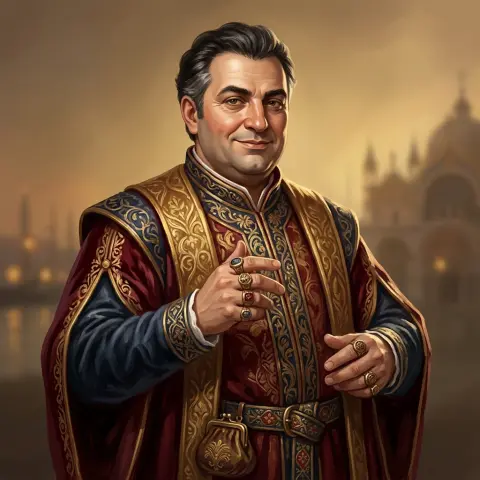
Six characters generated from the story framework of Flame of the Levant — emperors, princes, and spymasters caught between faith and ambition. Each portrait card below is auto-generated by GPT Image 2 from this world’s own art pipeline.
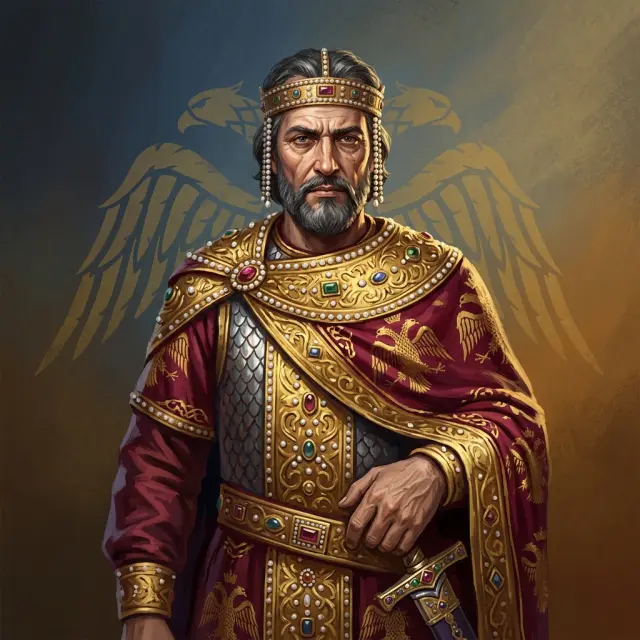
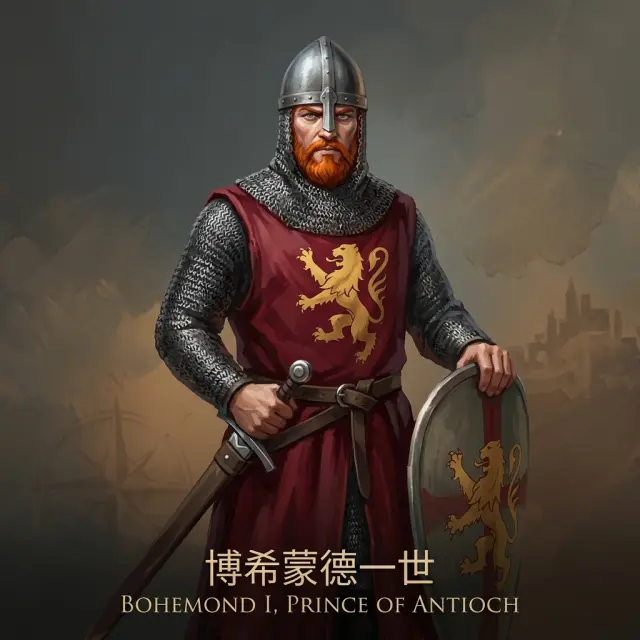
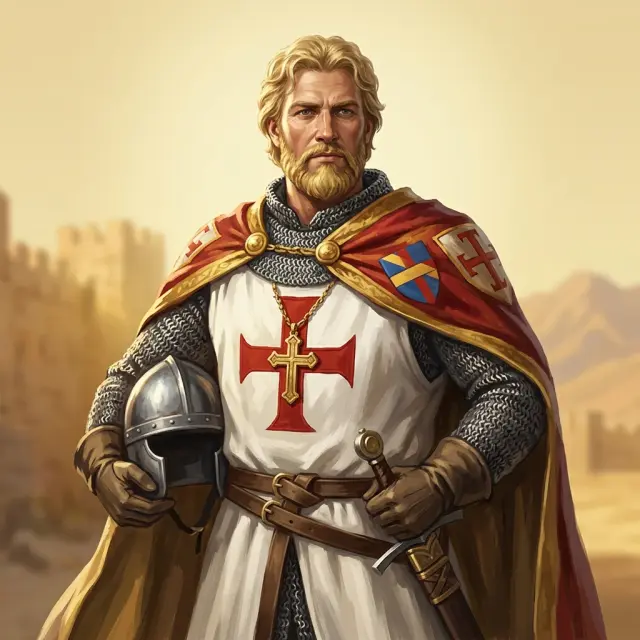
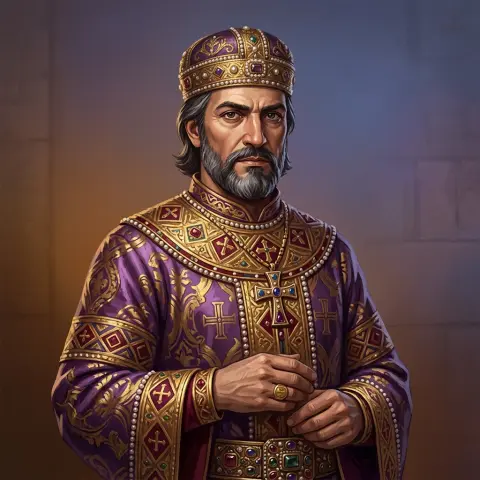
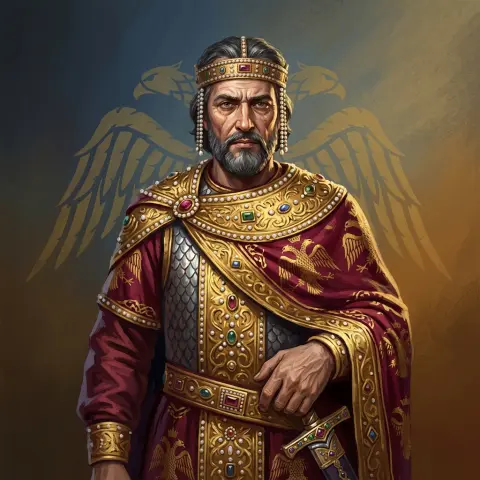
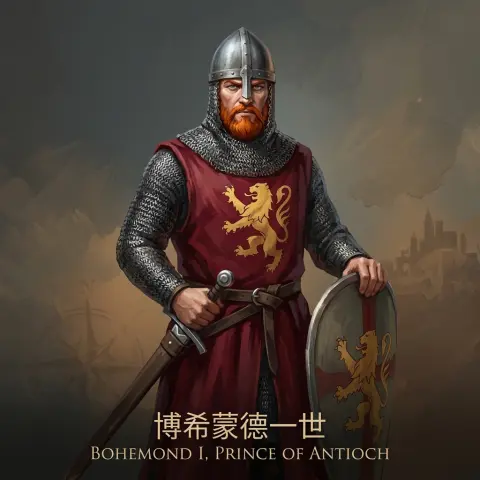
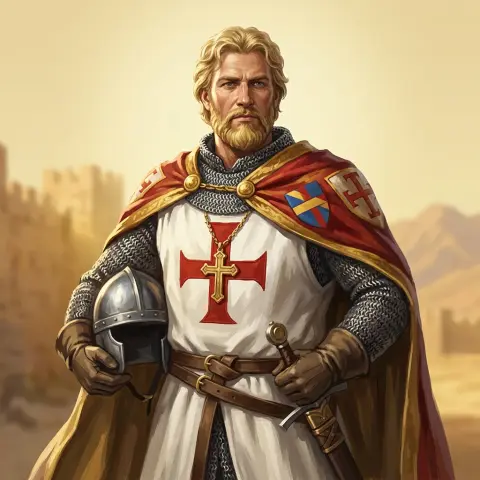
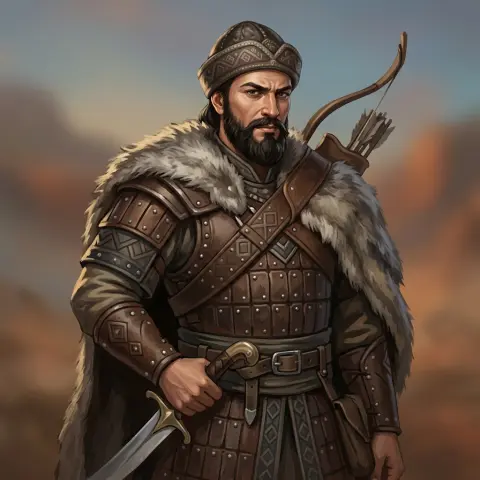
Locations (16)
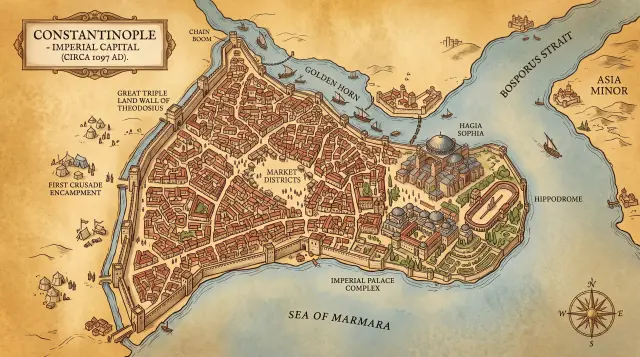
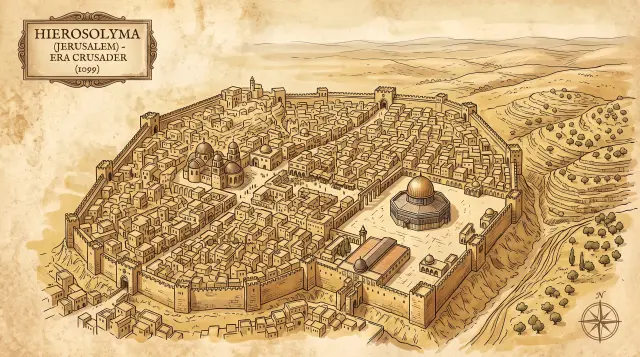
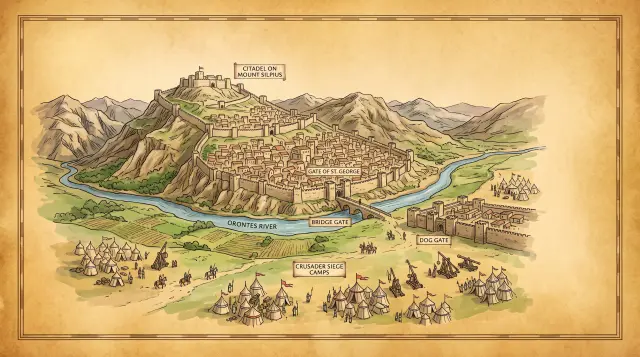
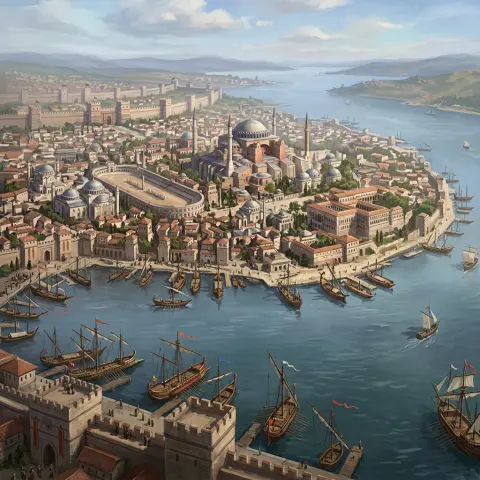
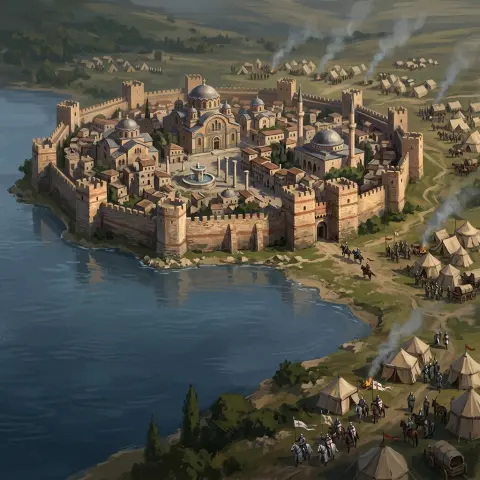
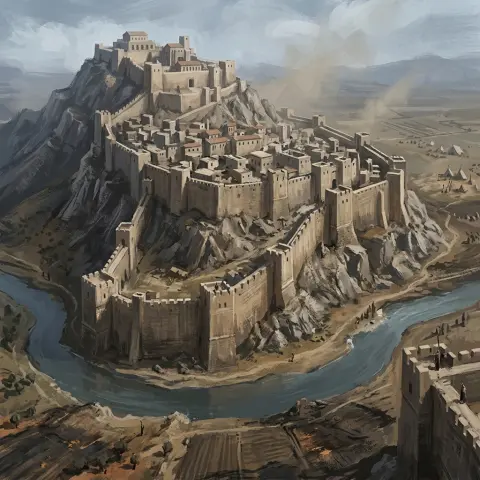
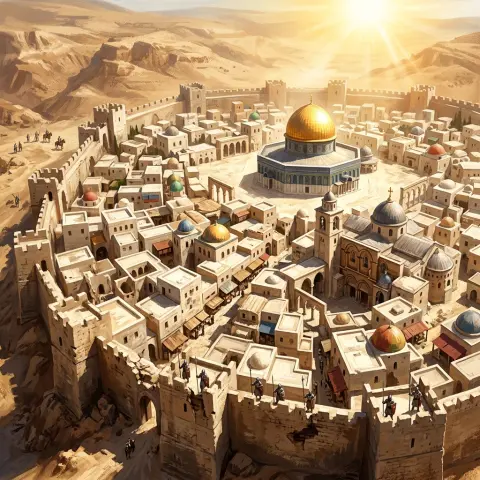
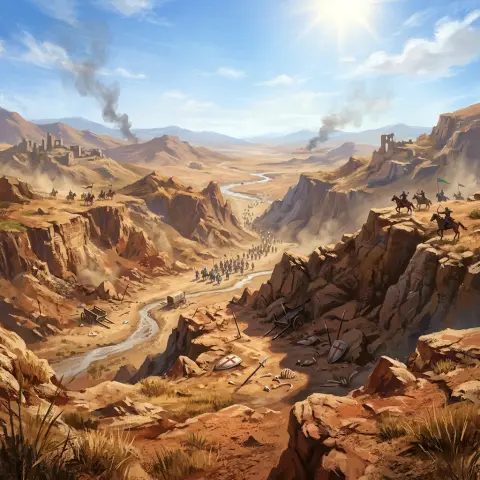
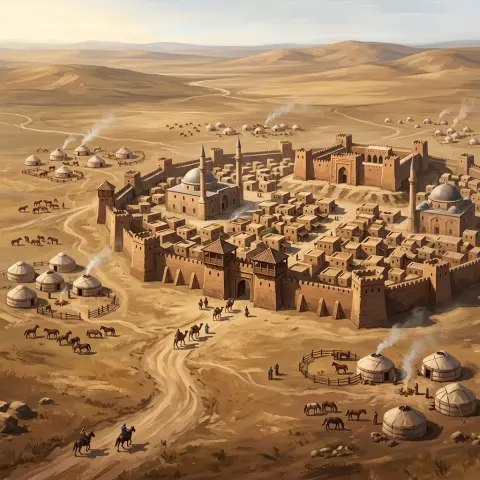
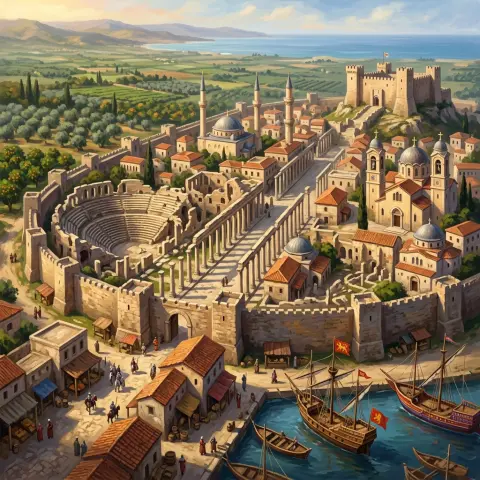
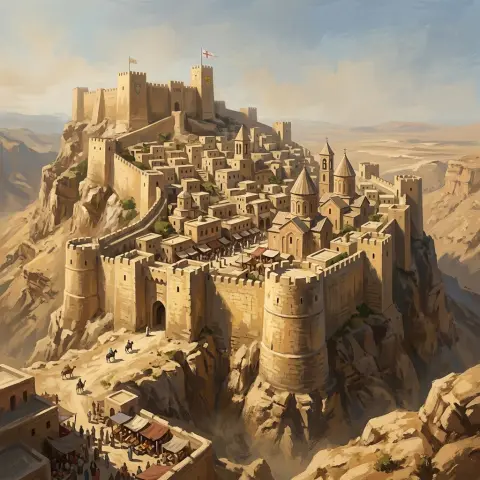
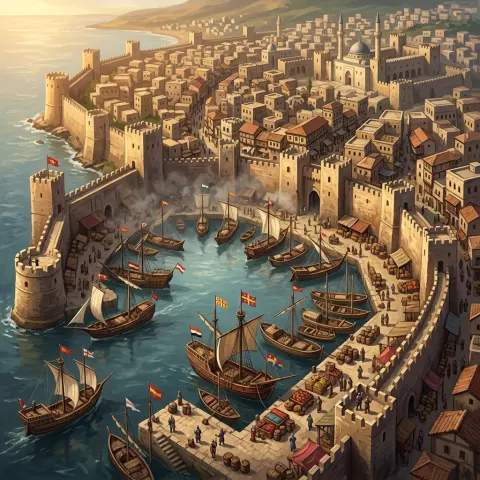
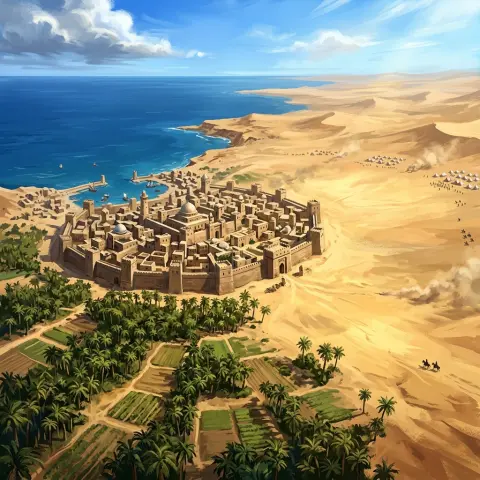
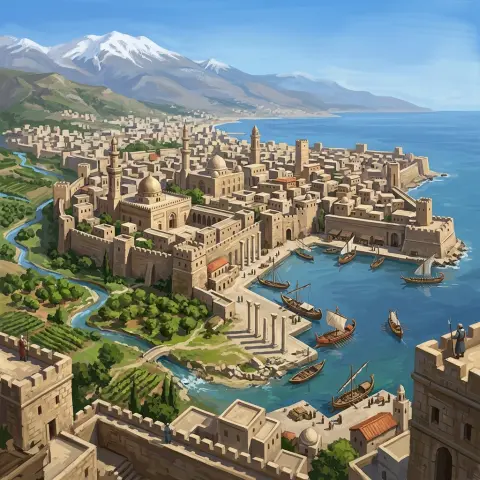
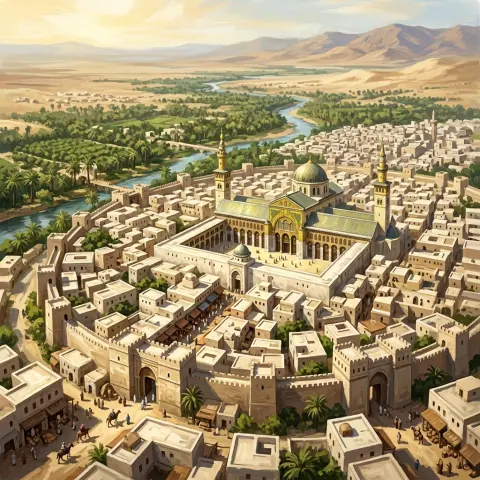
Sixteen locations from the Golden Gate to the Holy Sepulchre — every stone soaked in calculation and blood. Constantinople, Nicaea, Antioch, and Jerusalem anchor the crusade route; Konya, Damascus, Cairo, and Acre anchor the world that resisted it.
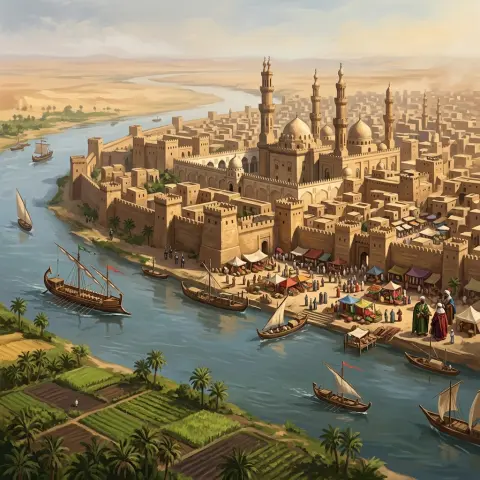
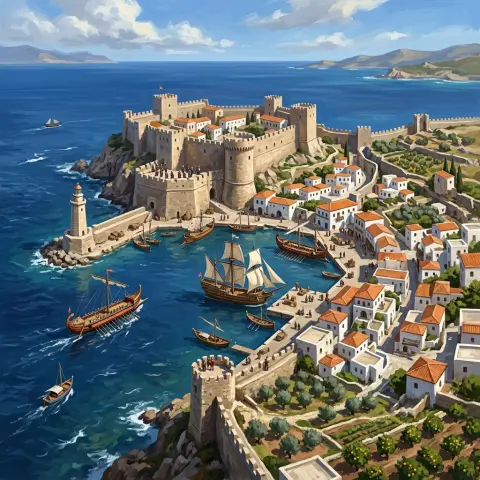
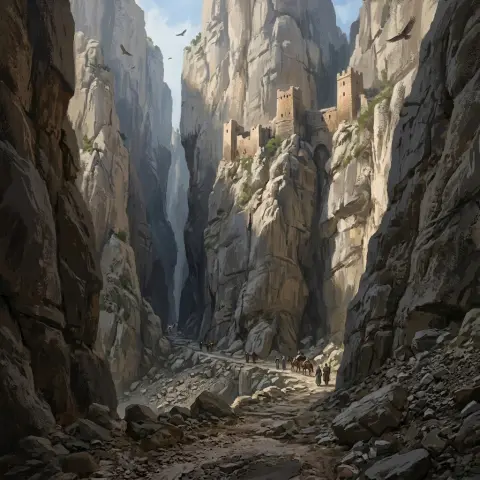
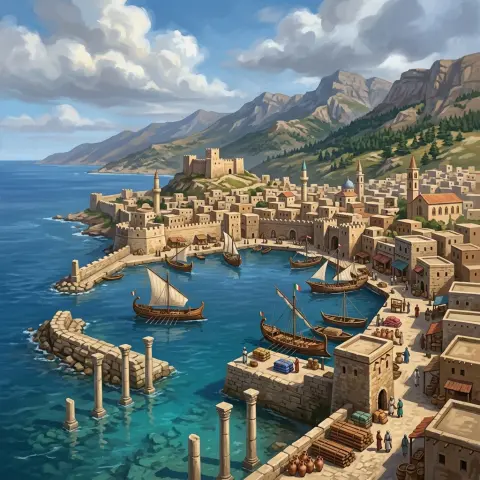
Events (5)
Factions & Abilities (5)
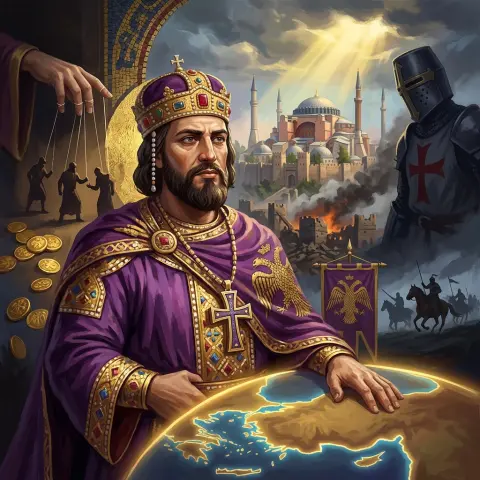
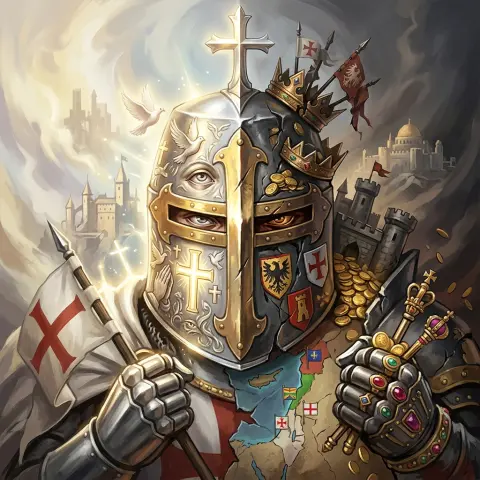
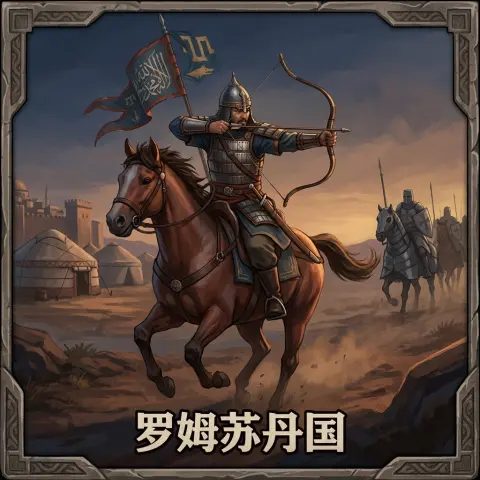
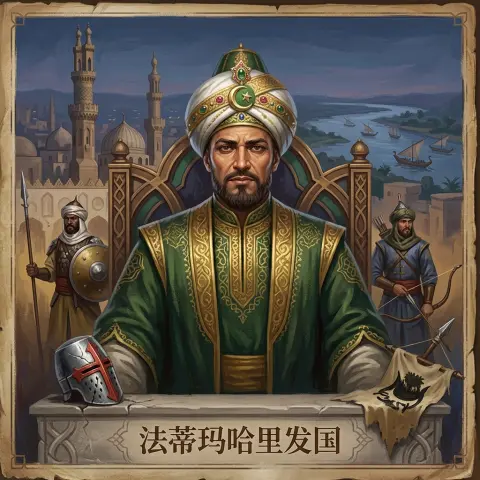
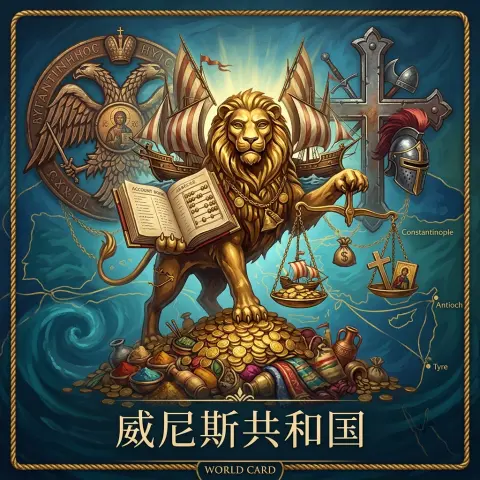
World Rules
Works from This World
Twenty works have been generated from this world — 1 interactive world map, Flame of the Levant Map, plus 19 art works: the clean illustrated atlas, a 4×4 grid of sixteen location marker-scenes, and 16 dedicated local detail views from Constantinople to Beirut. The world is the source; works are its branches.
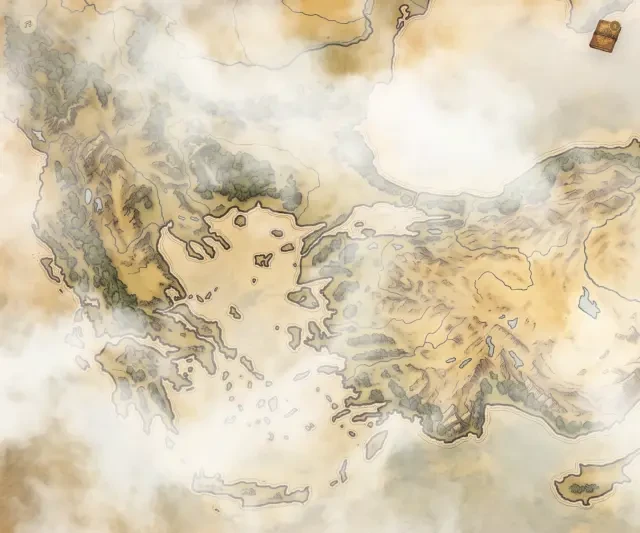
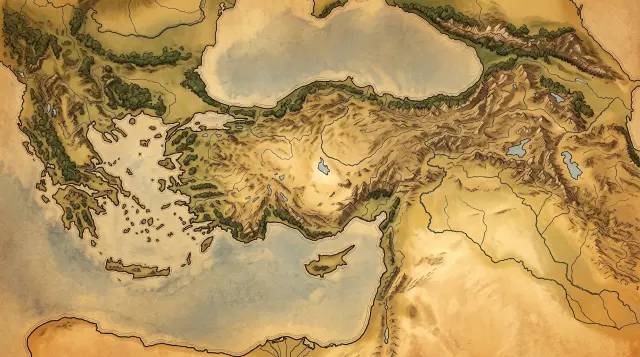
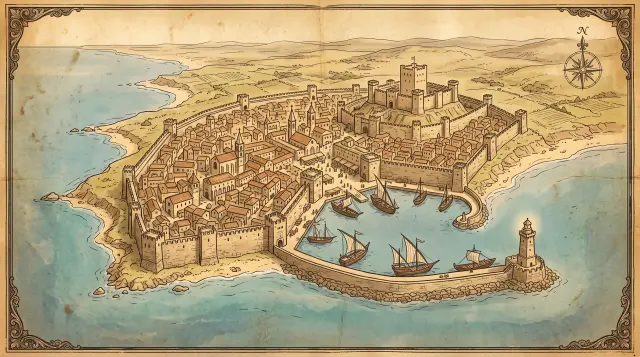
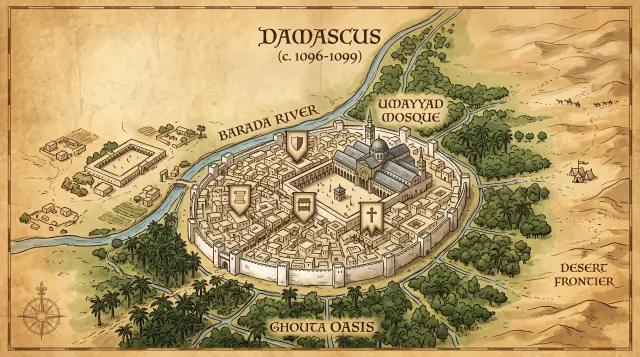
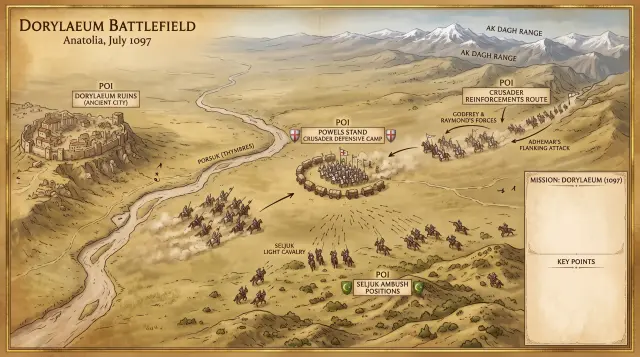
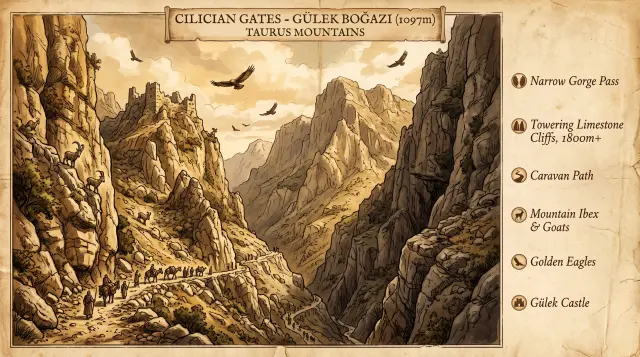
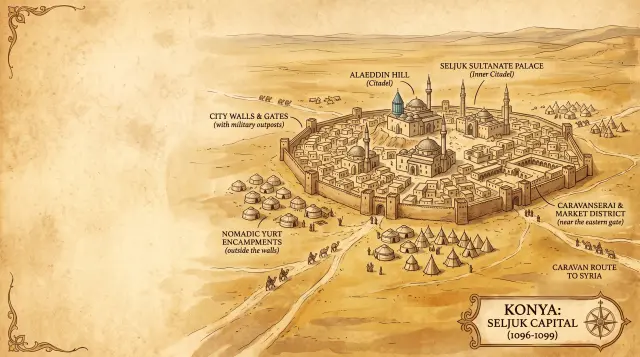
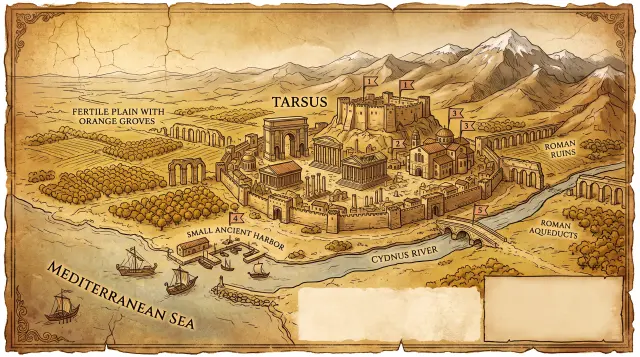
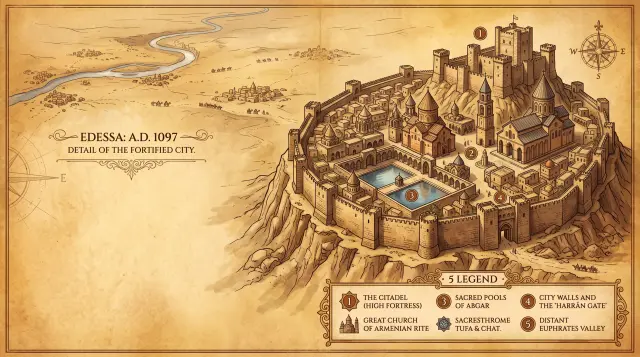
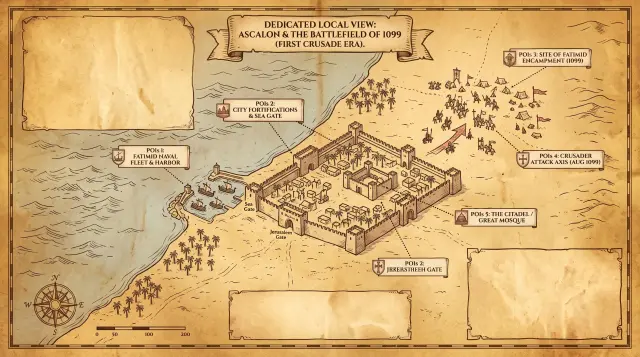
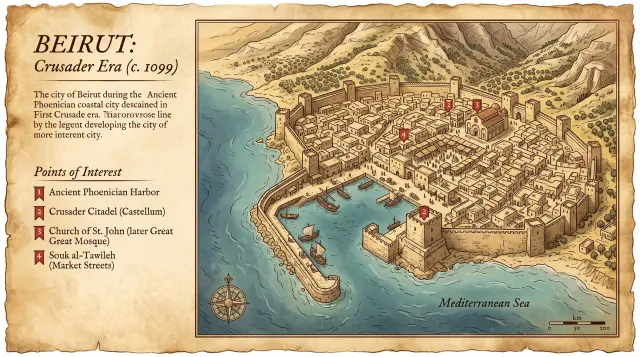
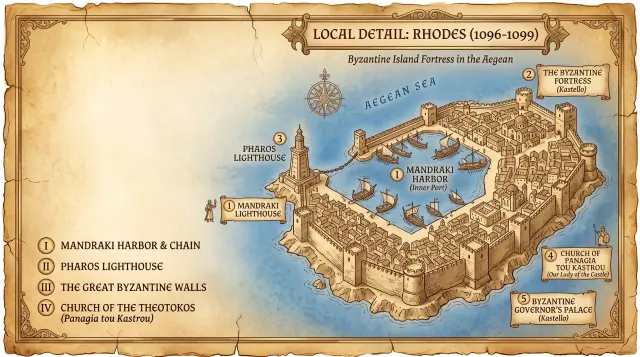
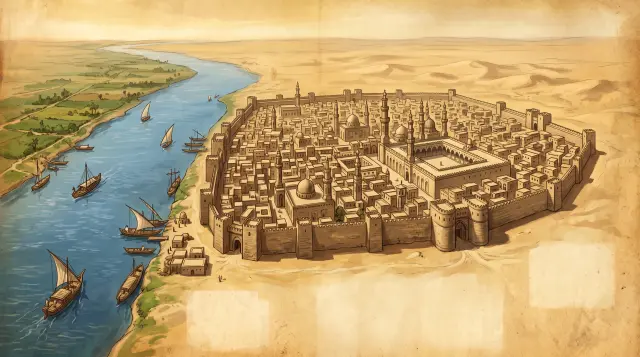
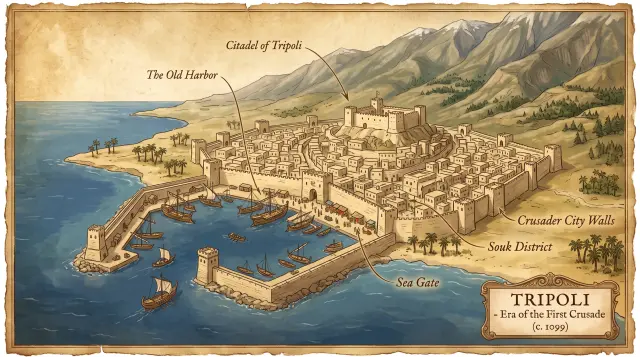
Flame of the Levant Map — clean illustrated world map
Create a clean illustrated world map for the Eastern Mediterranean and Levant during the First Crusade era (1096-1099). Show geography only: coastlines, rivers, lakes, mountains, forests, plains, deserts, seas, and regional terrain. The map covers from Constantinople and the Aegean Sea in the west to Jerusalem and Damascus in the east, from the Black Sea in the north to Egypt in the south. Key geographic features: the Bosporus strait, the Anatolian plateau with rugged mountains, the Taurus Mountains, the Syrian desert, the Lebanese coastal range, the Jordan River valley, the Sinai desert, the Nile delta, the Mediterranean Sea. Style and presentation: rendered in a vintage parchment atlas style with warm golden-brown tones, soft edge falloff, aged paper texture, subtle ink linework for coastlines, painterly terrain shading, classical map aesthetic. Geography and layout: based on the layout reference image provided. This must be a clean terrain surface for later location overlays. CONTENT ISOLATION (critical): The style reference image is for RENDERING STYLE ONLY — its material, palette, texture, edge treatment. The style reference's specific terrain MUST NOT appear in this map. Do not copy or echo any of these from the reference image: its volcano or volcanic landscape, its mountain silhouettes or distinctive peaks, its coastline shapes, bays, or peninsula outlines, its river paths or forest shapes, any landmass silhouette that matches the reference. This new world has its own geography. Only borrow the LOOK, never the TERRAIN. Do NOT draw any of these on the map: settlement, city, town, or village symbols; castle, tower, fortress, ruin, or landmark icons; named place dots, pins, stars, or location markers; place-name labels or any text; roads, paths, or route lines; gold rings, highlight circles, or selection halos; location patches or cutout art; grid overlays, coordinates, or debug marks. Only geography. The map must read as an empty terrain canvas, not a populated atlas.
Constantinople — local detail view
Create a dedicated local detail view for CONSTANTINOPLE during the First Crusade era (1096-1099). This should be a rich, explorable view of the Byzantine imperial capital — the great triple land walls of Theodosius, the domed Hagia Sophia, the Golden Horn harbor with ships, the Bosporus strait dividing Europe from Asia, the imperial palace complex, and the crowded market districts. Style: painted in warm golden-brown vintage parchment tones matching a classical illustrated world atlas. Preserve strong spatial readability with enough negative space for UI overlays and labels. Support 4-5 distinct points of interest. This run is for one location only. Do not merge multiple locations.
Jerusalem — local detail view
Create a dedicated local detail view for JERUSALEM during the First Crusade era (1096-1099). This should be a rich, explorable view of the holy city — the prominent Dome of the Rock on the Temple Mount, the Church of the Holy Sepulchre, the city walls with their gates, the dense stone buildings climbing the hills, the Mount of Olives, and the arid Judean landscape beyond. Style: painted in warm golden-brown vintage parchment tones matching a classical illustrated world atlas. Preserve strong spatial readability with enough negative space for UI overlays and labels. Support 4-5 distinct points of interest. This run is for one location only.
Fork This World
This world is public. You can Fork it — inherit all 32 atoms, every emperor, prince, city, and battle, rewrite what you want, and publish your own version.
Give Alexios a different gamble. Let Bohemond keep Antioch. Turn Jerusalem into a city that surrenders instead of burns. The world is your asset library — rewriting is creation.
Fork world → Edit atom cards → Generate new games/videos/assets → Publish → Others can Fork your version
Model Pipeline
One seed sentence — "Make a Crusade world" — grew into 32 atoms: 6 characters, 16 locations, 5 events, and 5 factions across the 1096–1099 Levant.
Atom covers, the 16:9 world cover, and every map view — all in the semi-realistic, painterly, game splash art style of this world.
An interactive atlas of the Eastern Mediterranean and Levant — 16 local detail views and a playable world map, built from this world’s own assets.
Studio Interior
This is the actual studio workspace for the Flame of the Levant world — the Board view with every atom card, the character detail view of Alexios I Komnenos, and the Gallery of the world’s materials. The world is not the end point, but the starting point of all creation.


World, Not Work
In Neta Studio, a world is the beginning of everything. A world contains characters, locations, events, and factions — all generated by AI from a single seed sentence, all referenceable, rewritable, and expandable.
World → Game
Select a storyline from world cards, AI auto-writes game logic, generates art, builds a playable visual novel set in the crusade Levant — Constantinople, Antioch, and Jerusalem as chapters.
World → Video
Generate dynamic videos from world rooms and characters — siege animations, the march through the Cilician Gates, scene transitions across the four years of the crusade.
World → Assets
Each character auto-generates a portrait card, each location auto-generates concept art and map views. The world itself is an asset library.
Create from this World
Inherit 32 atoms, rewrite what you want, write your own chapter of the Levant.