League of Legends: World of Runeterra — Magic, Empires, and the Twin Cities of Progress
A complete fantasy MOBA world generated by AI from the canon of League of Legends — 30 atoms, four published key visuals from a GPT Image 2 vs Krea 2 comparison, and an interactive studio. The world is not the end point, but the starting point of all creation.
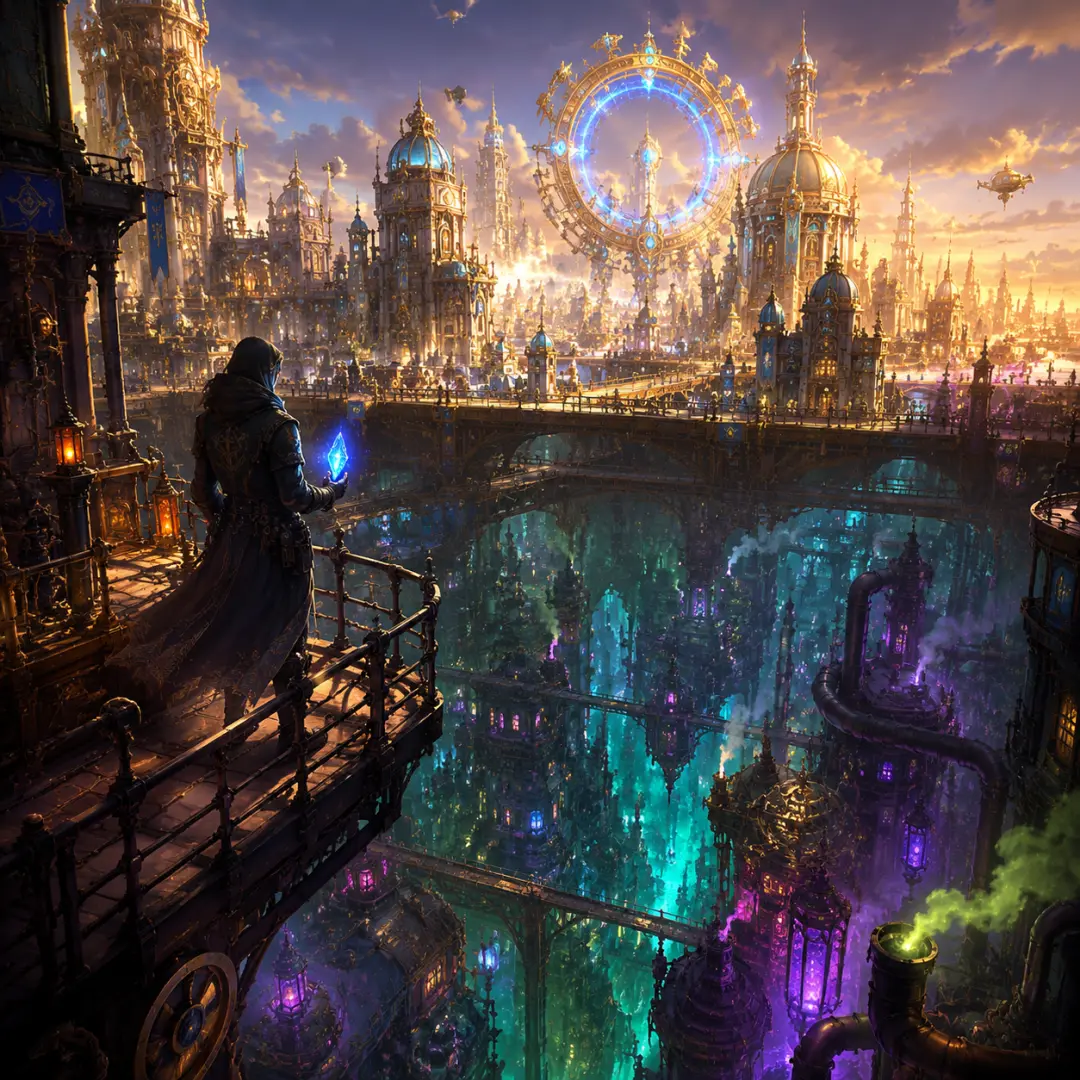
Worldview
Runeterra is a world where primal magic saturates everything — the runes that ended an age of war, the spirit realms that breathe through Ionia, the hextech that lifts Piltover and poisons Zaun, and the Black Mist that turns grief into undeath. Empires rise on strength, kingdoms are built on denial, and champions are forged in the collision. This is the League of Legends world, rebuilt as an AI world on Neta Studio: 8 champions, 6 locations, 6 events, 4 factions, and 6 world rules — plus four published key visuals generated from it.
A fantasy epic of magic, empire, and invention: Demacia suppresses the very sorcery its refugees fled, Noxus conquers by strength alone, Piltover and Zaun rise and rot together on one golden skyline, and the Shadow Isles hunger beyond the mist. At the center stand champions like Lux, Jinx, Yasuo, and Thresh — ordinary people made extraordinary by the forces they serve, fight, or flee. Every atom of this world was generated by AI from canon: characters with epithets and abilities, locations with landmarks and lore, events that changed the map, and rules that govern magic itself.
Visual style: vibrant fantasy splash art, cinematic lighting, gacha key-visual composition, high detail — rendered with GPT Image 2 and Krea 2.
Champions (8)
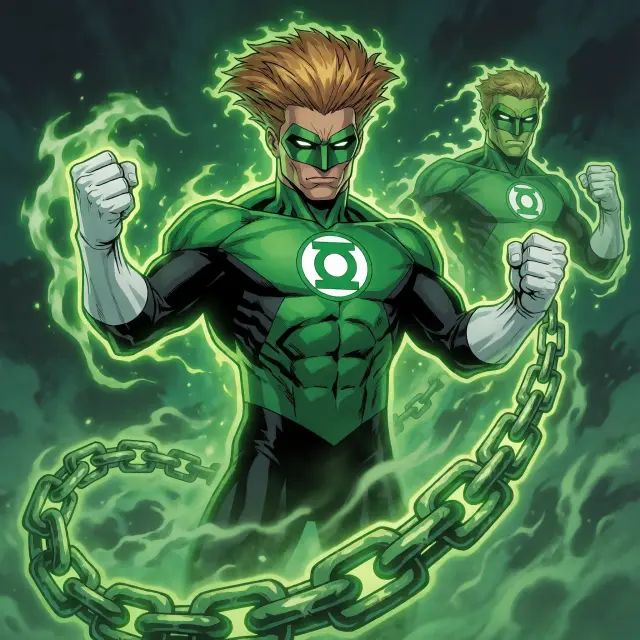
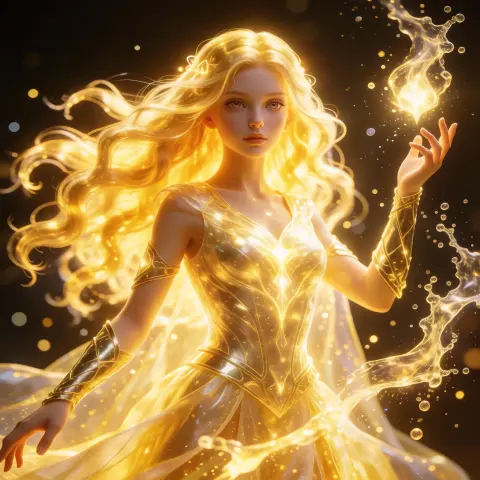
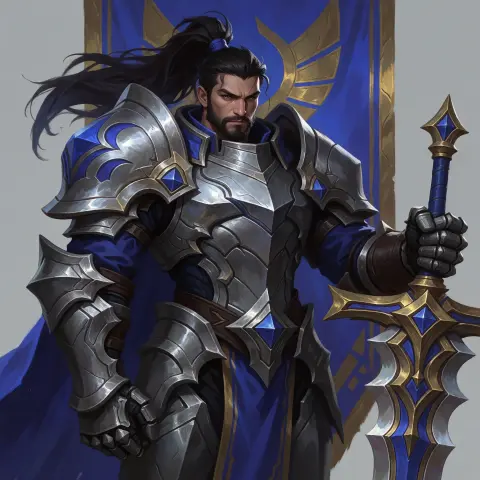
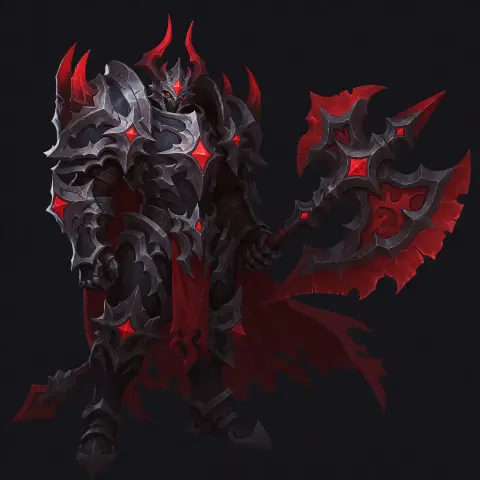
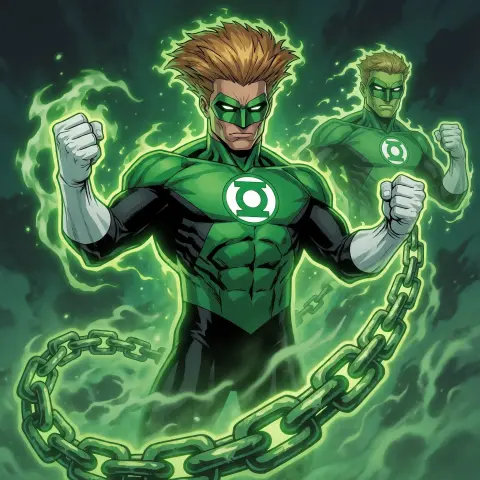
Eight champions generated from the canon of League of Legends — mages, soldiers, assassins, and wardens bound by faction, blood, and the choices that made them legends. Each carries an epithet, a faction, and a different answer to the same question: what is power worth? The covers below were generated by Krea 2 and attached to the world atoms.
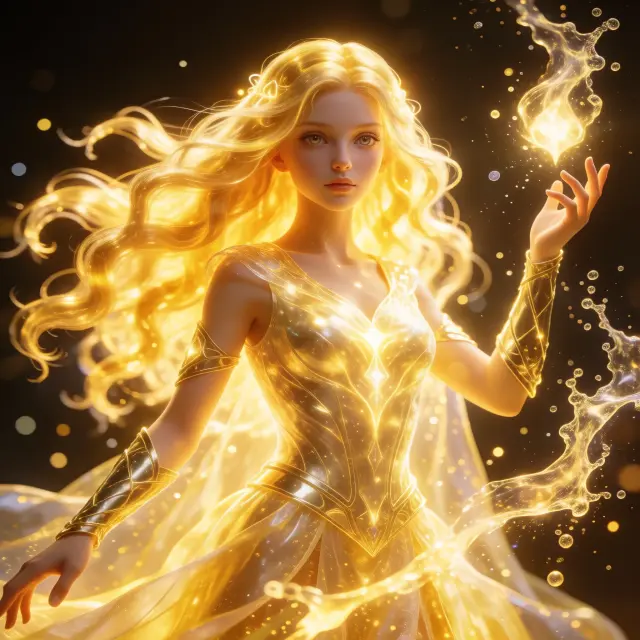
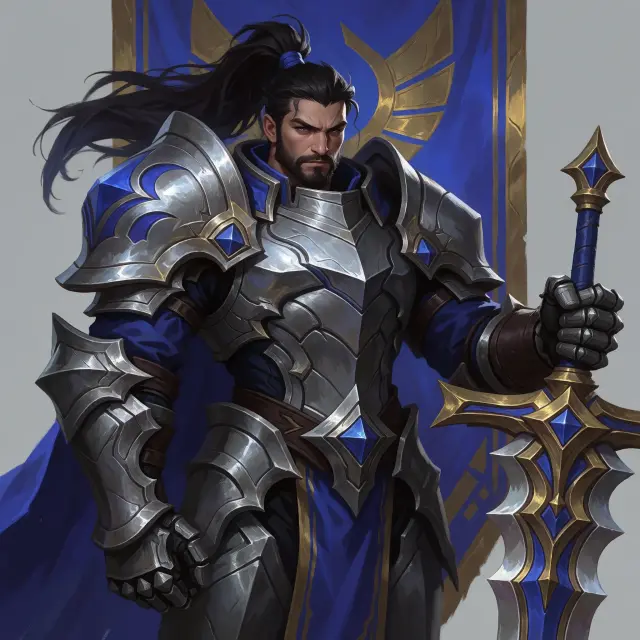
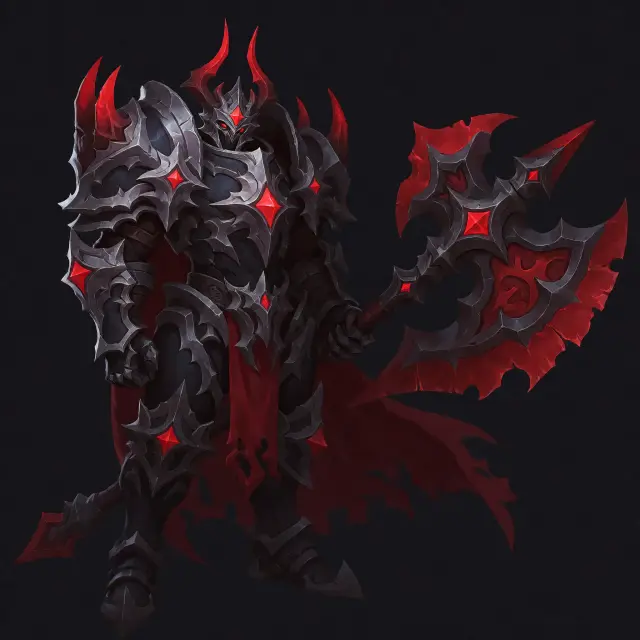
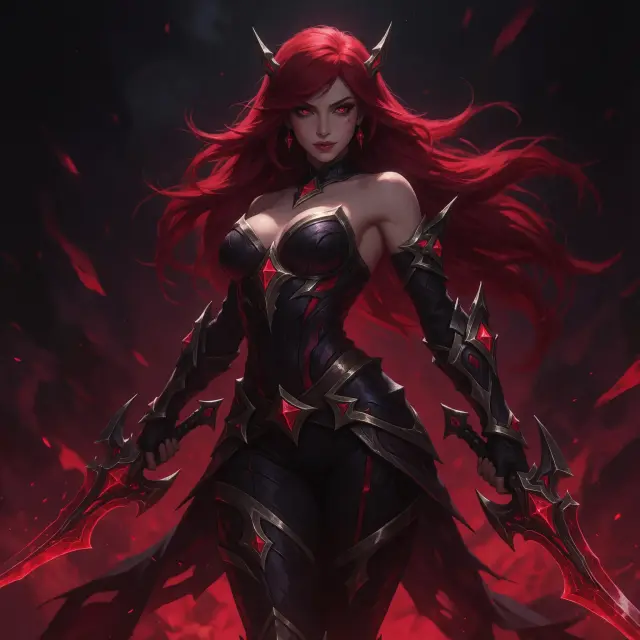
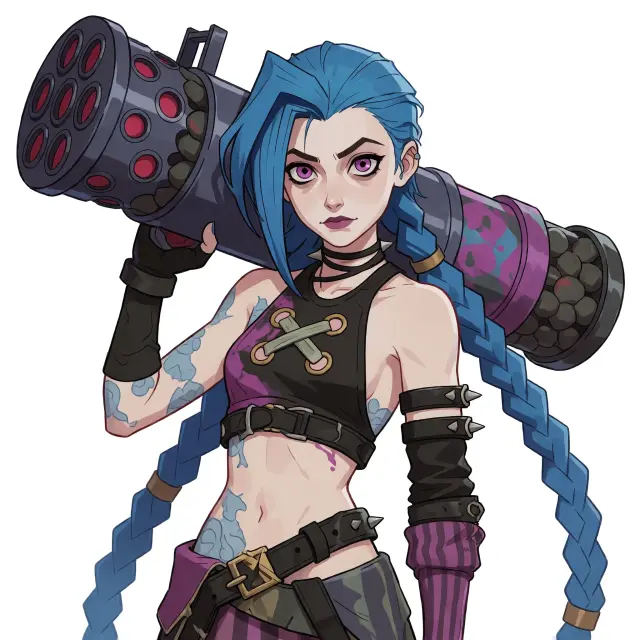
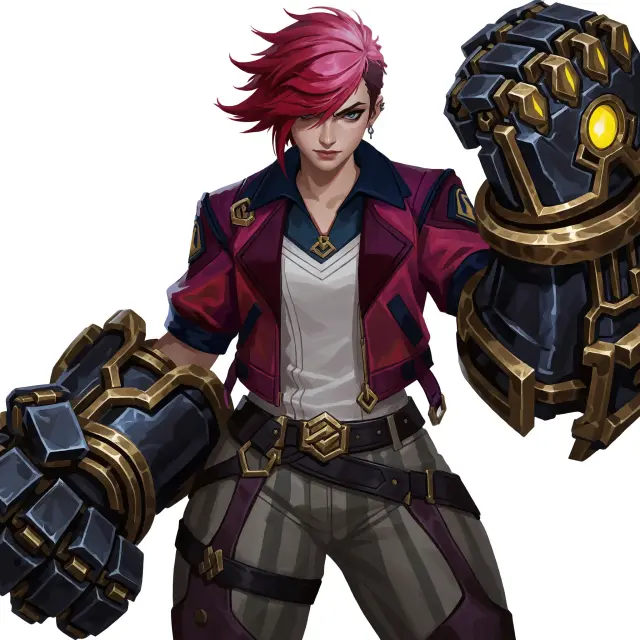
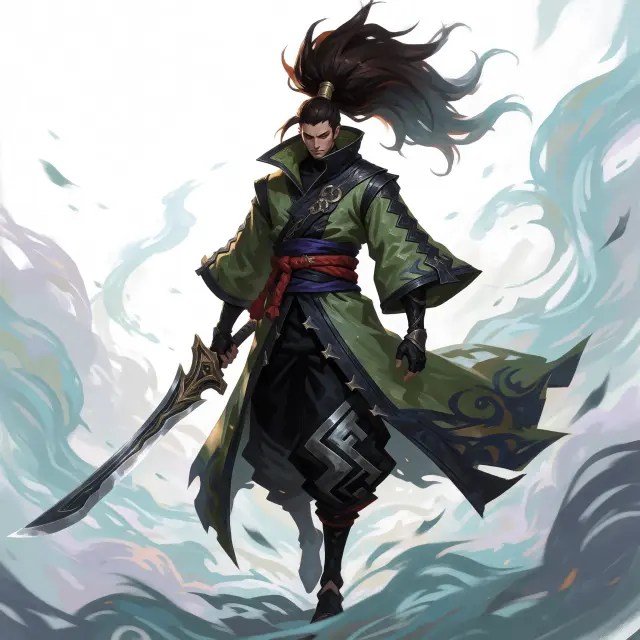
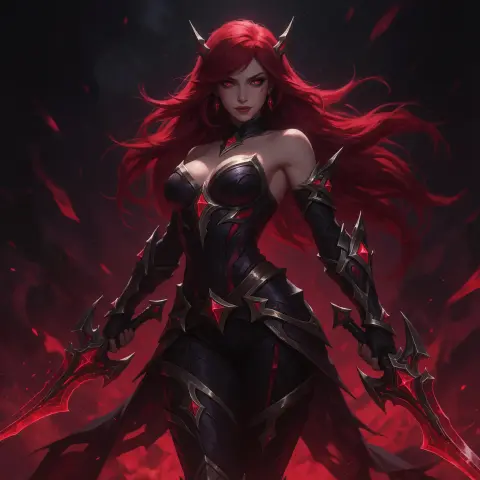
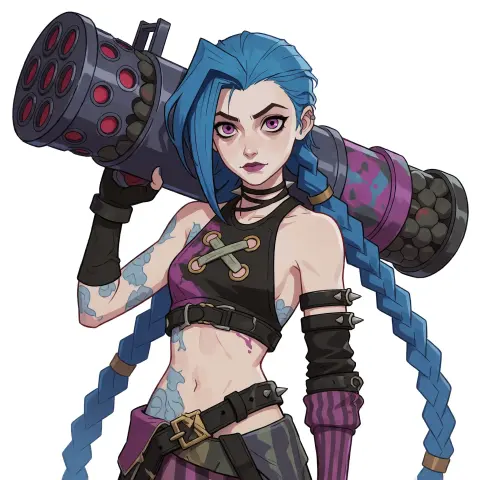
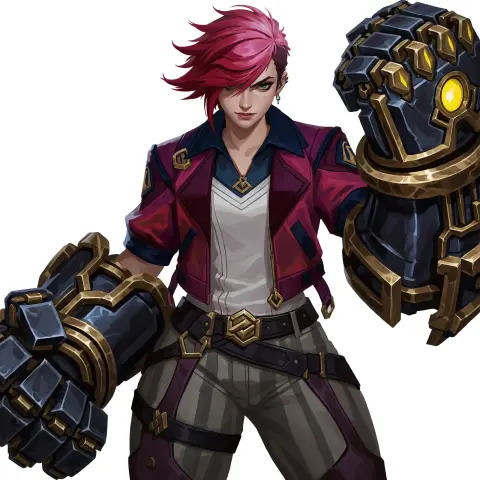
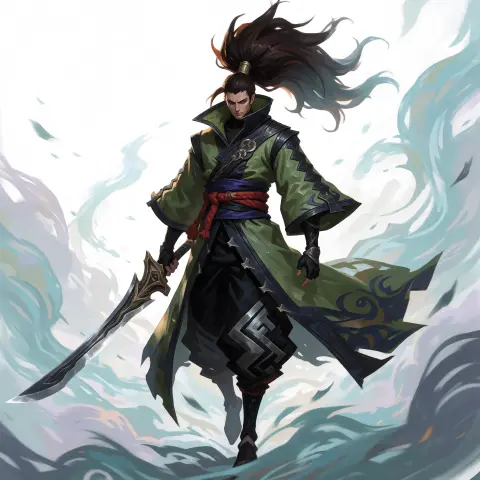
Locations (6)
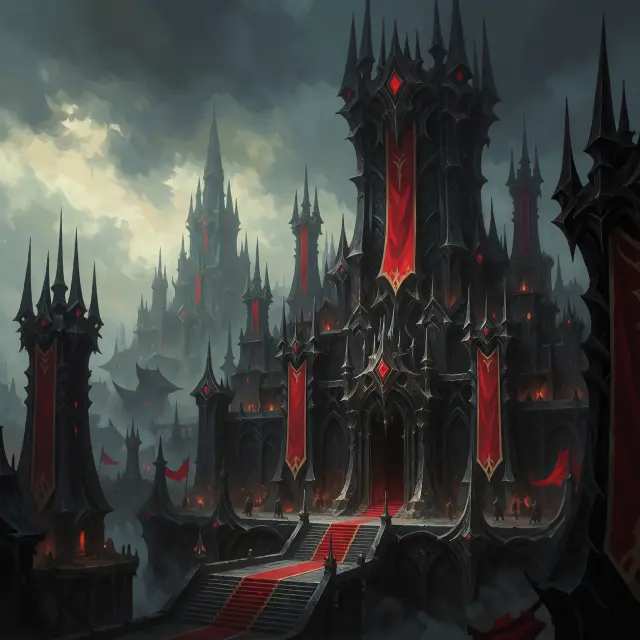
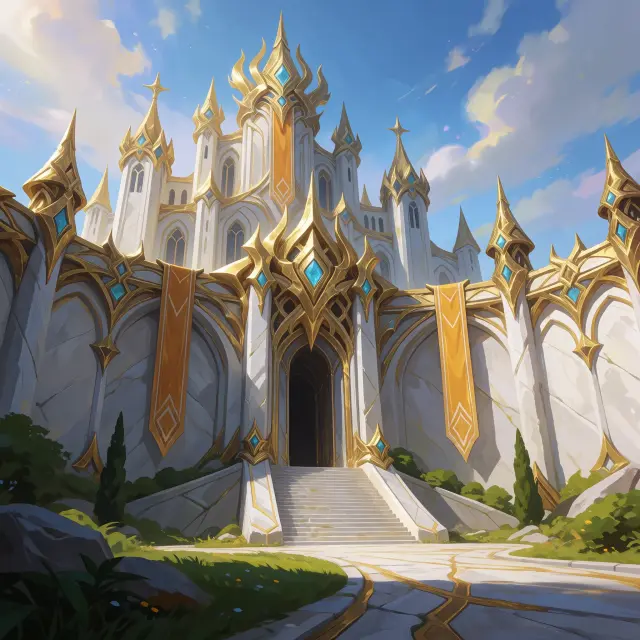
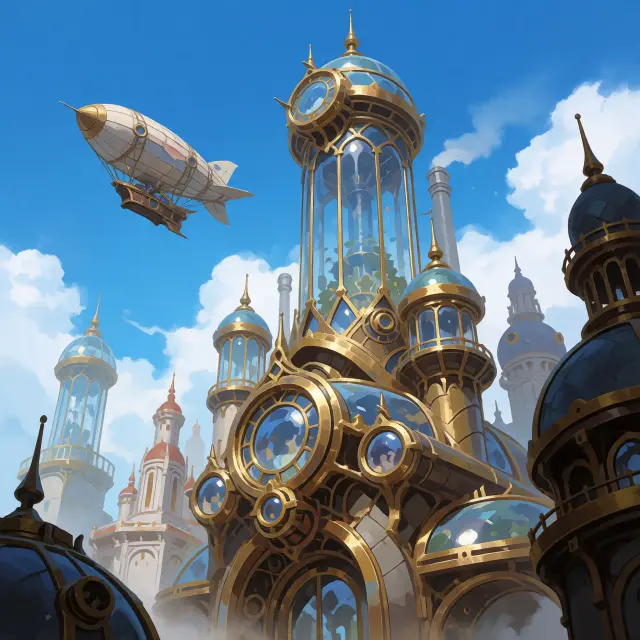
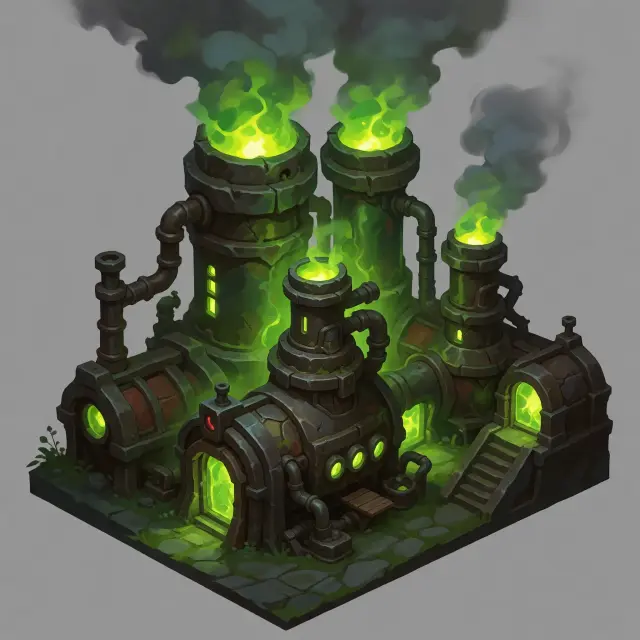
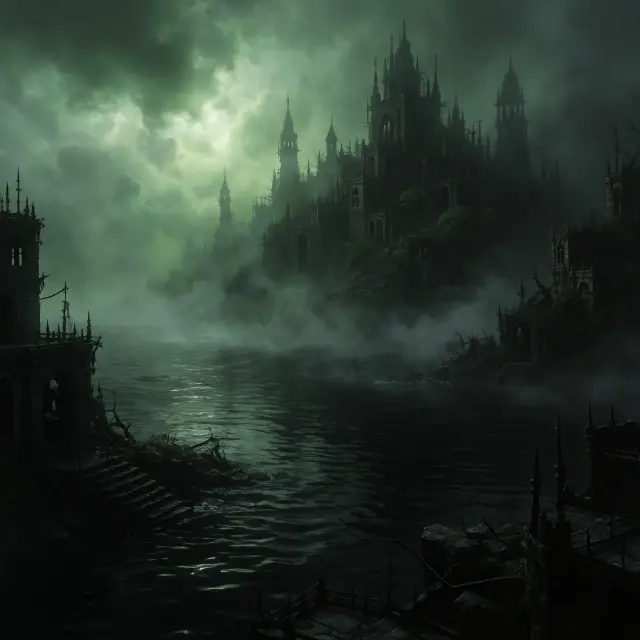
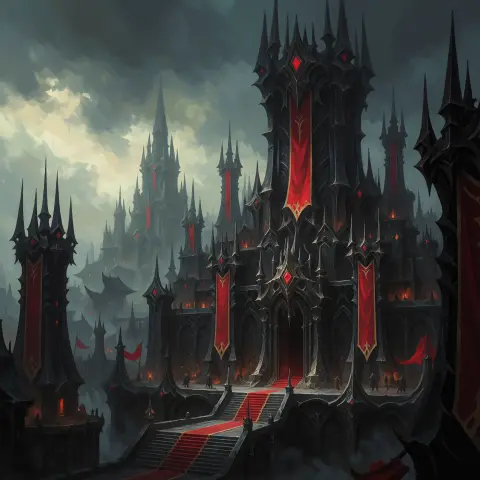
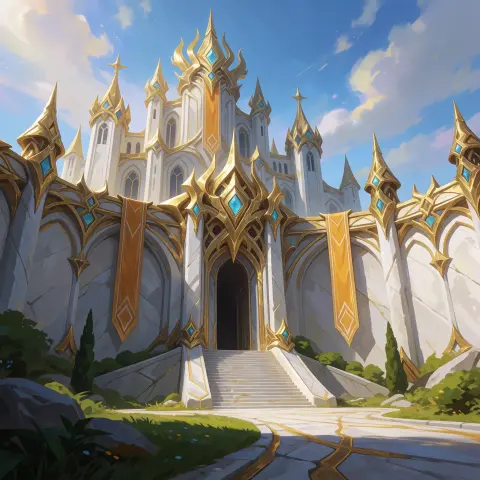
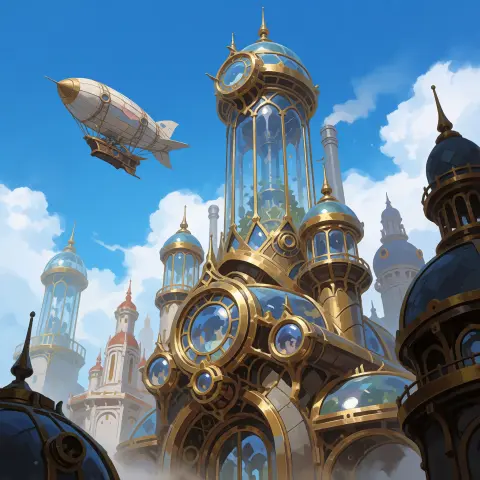
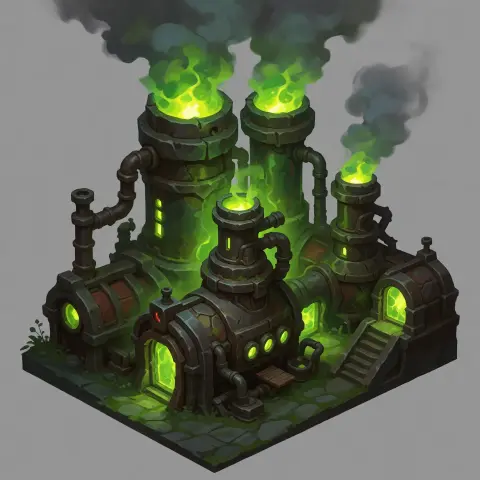
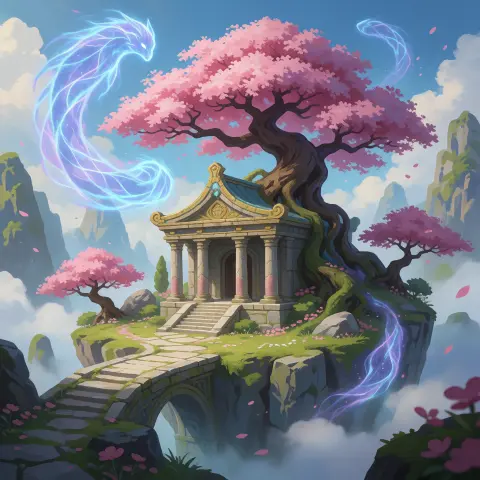
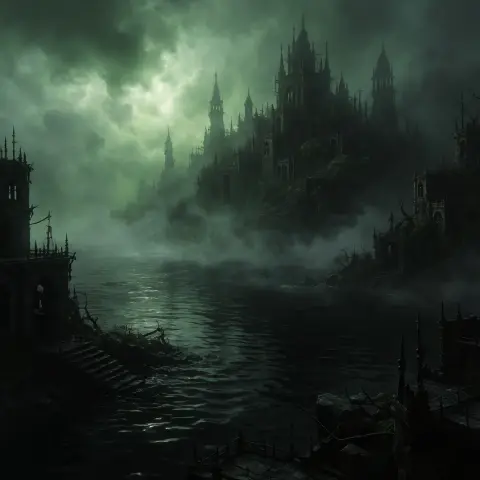
From Noxus Prime’s black-iron fortress-city to the mist-shrouded shores of the Shadow Isles, every location is a stage for the world’s conflicts. Piltover and Zaun share one skyline and one wound; Demacia hides its shame behind petricite walls; Ionia bleeds for the harmony it lost.
Events (6)
Factions & Rules (10)
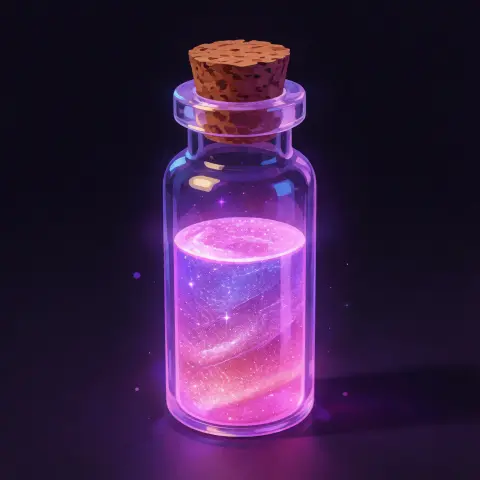
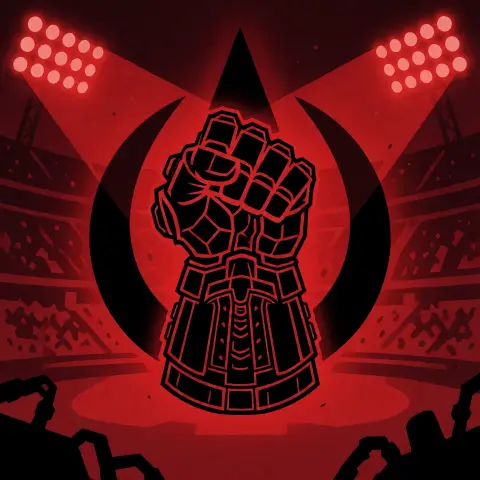
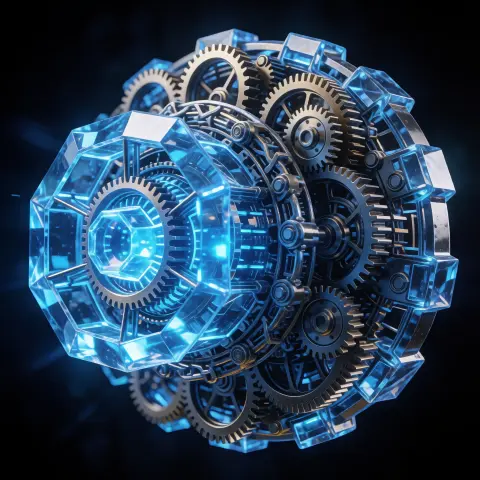
World Rules
Works from This World
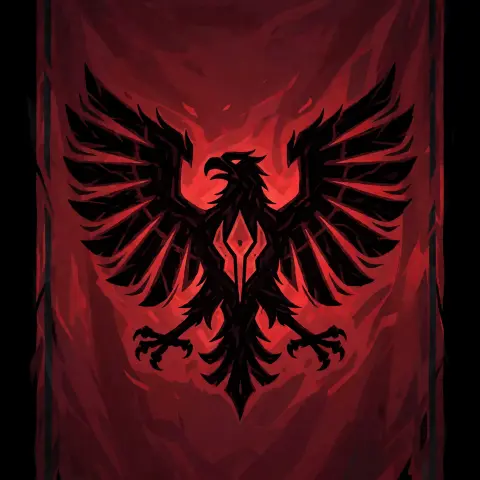
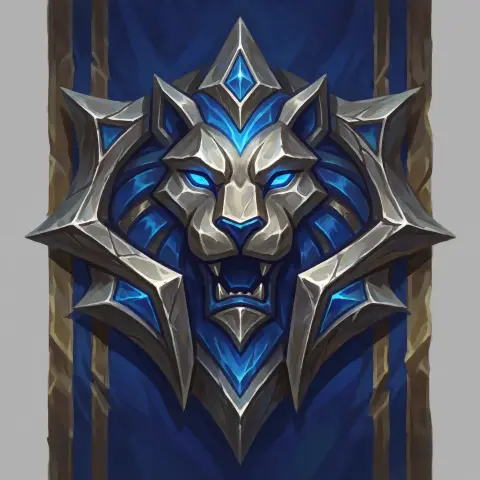
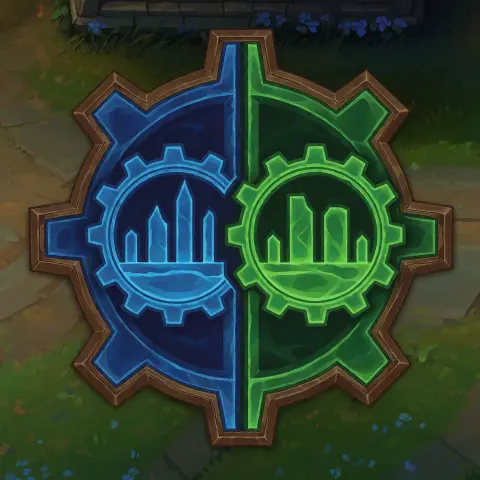
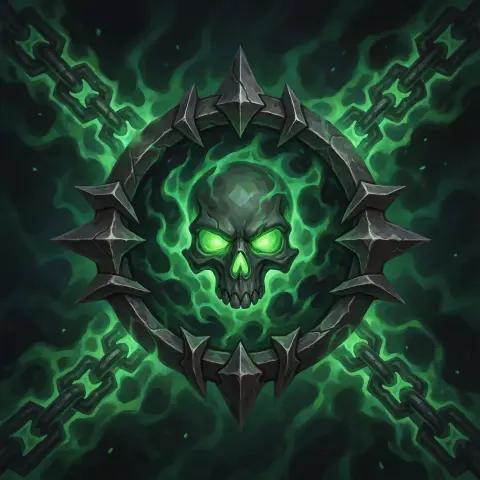
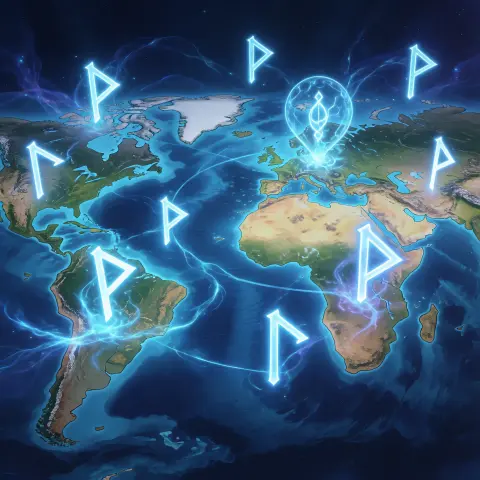
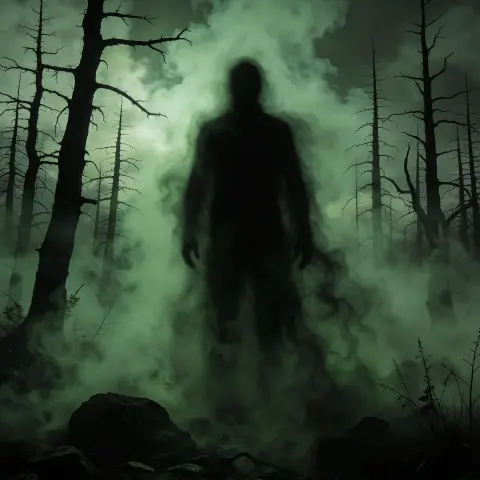
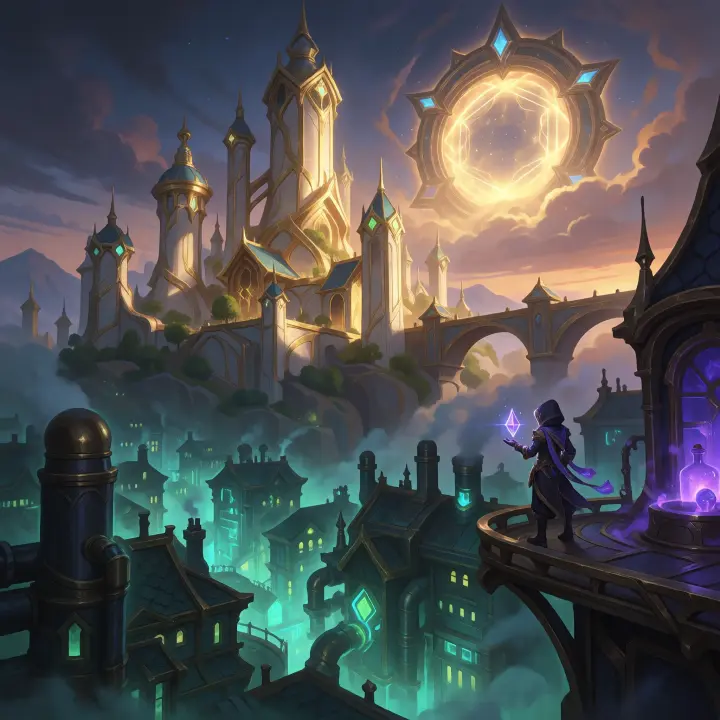
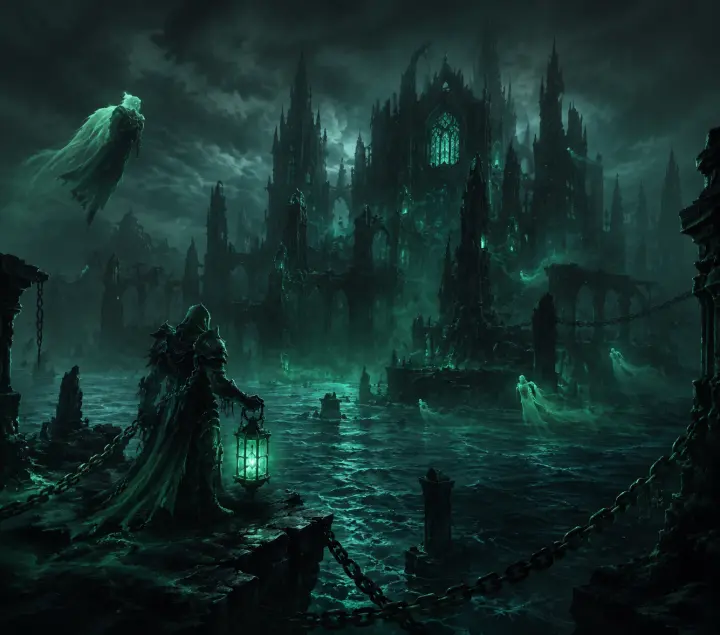
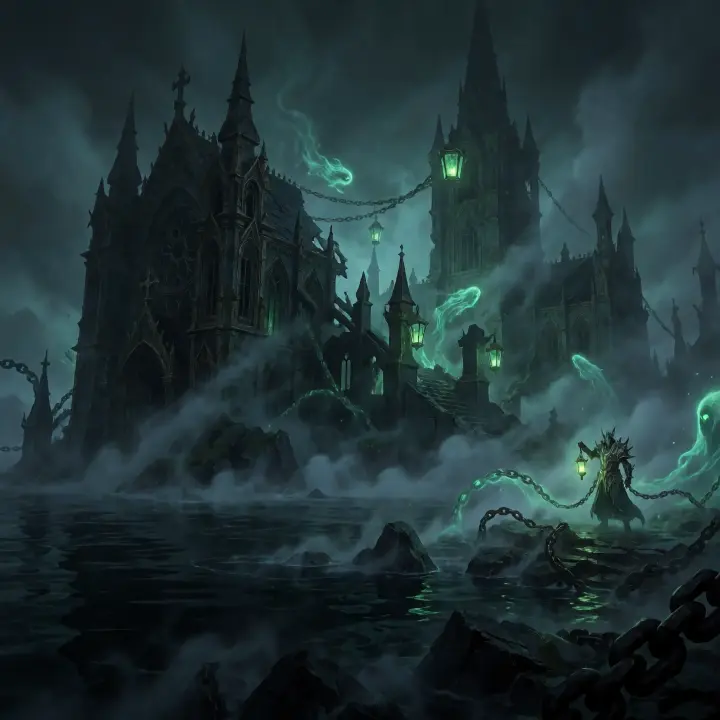
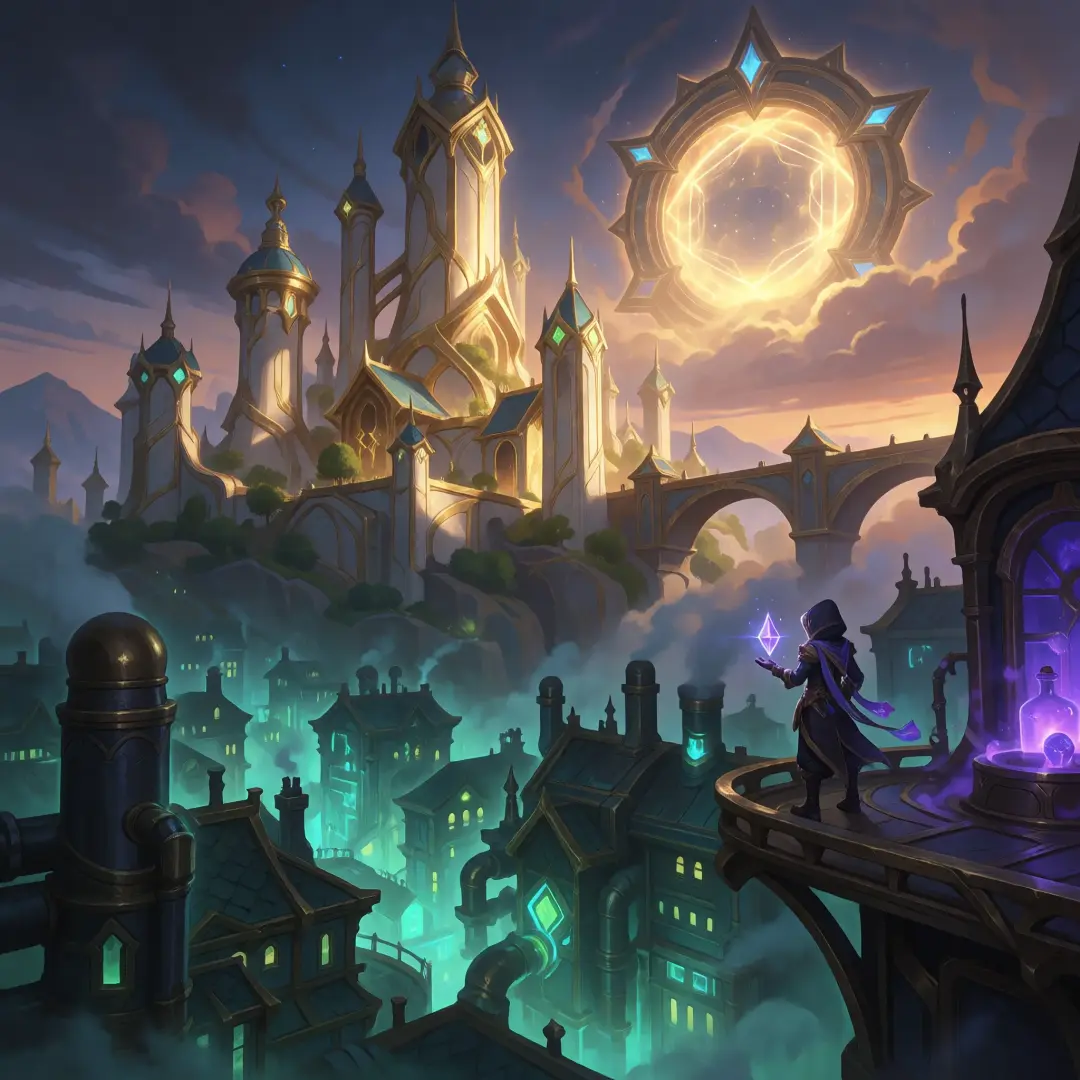
Four works have been generated from this world — a two-model key-visual comparison across two signature scenes. Piltover & Zaun and the Shadow Isles were each rendered by GPT Image 2 and Krea 2 from the exact same prompt, then published as public works of League of Legends: World of Runeterra. The world is the source; works are its branches.
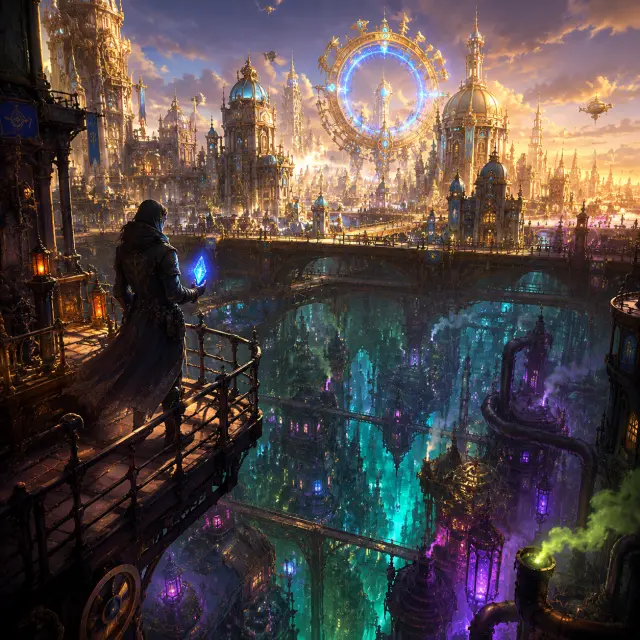
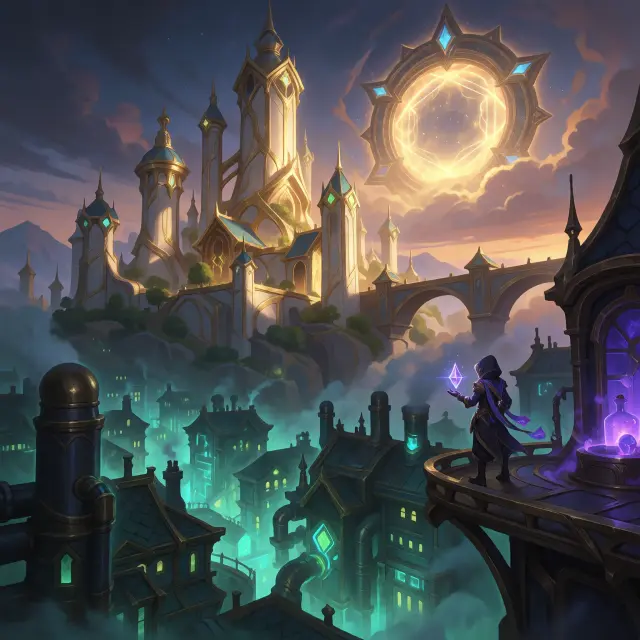
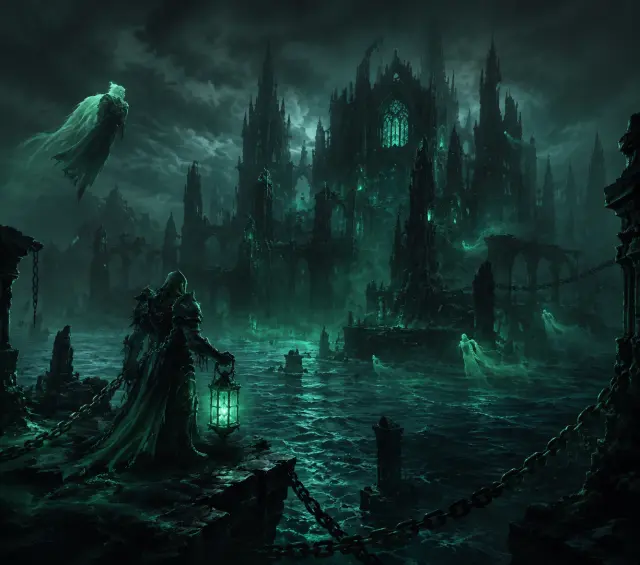
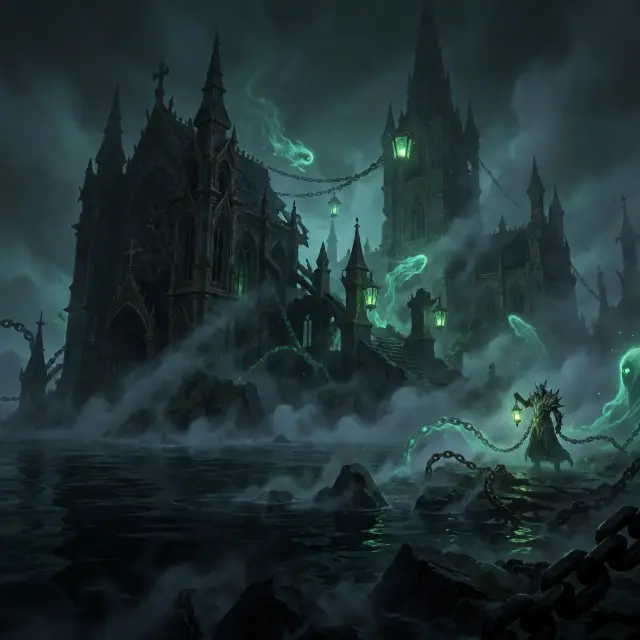
Model Comparison: GPT Image 2 vs Krea 2
The same prompt, two models, four works. GPT Image 2 leans detail-first: crisp architecture, readable composition, and cinematic light that sells a world in a second. Krea 2 leans atmosphere-first: luminous glows, painterly skies, and energy that feels alive. Neither is better — they are two flavors of the same canon, and publishing both keeps every style choice remixable from the same world.
Fork This World
This world is public. You can Fork it — inherit all 30 atoms, every champion, wall, and rule, rewrite what you want, and publish your own version.
Follow a different champion. Break a different city. Send Runeterra somewhere the map never shows. Swap the vibrant splash-art style for ink, or for a darker cinematic palette. The world is your asset library — rewriting is creation.
Fork world → Edit atom cards → Generate new key visuals/games/videos → Publish → Others can Fork your version
Model Pipeline
One sentence → 30 atoms: champions, locations, events, factions, and rules.
Atom covers for every champion, location, faction, and rule — plus the two key-visual comparison sets.
Real-time LLM can narrate scenes in character voice; choices move faction standing and world fate.
Studio Interior
This is the actual studio workspace for the League of Legends world — the Board view with every atom card and the gallery of generated art. The world is not the end point, but the starting point of all creation.
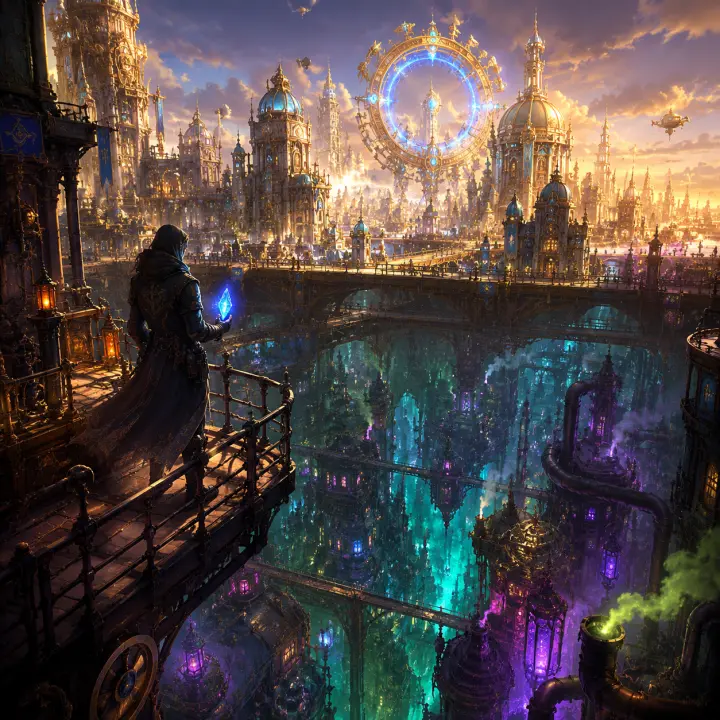
World, Not Work
In Neta Studio, a world is the beginning of everything. A world contains champions, locations, events, factions, and rules — all generated by AI from a single sentence, all referenceable, rewritable, and expandable.
A world is not a game, a video, or an image. A world is the source of all of these: from the same Runeterra, you can generate key visuals, character sprites, scene backgrounds, games, and music — each inheriting the same worldview, the same cities, the same question of what power is worth.
World → Game
Select a storyline from world cards; AI auto-writes game logic, generates art, and builds a playable experience from the same atoms.
World → Video
Generate dynamic videos from world champions and scenes — entrances, transformations, city reveals.
World → Assets
Each champion generates a cover, each location generates a background. The world itself is an asset library.
Why Runeterra Matters
League of Legends is one of the most recognizable fantasy universes in gaming — a MOBA canon where magic, empire, and invention collide. As an AI world, it demonstrates how far one-sentence world building can go: a complete board of 30 atoms, a consistent visual identity across two models, and four published works that stay on-canon because they inherit the same seed.
Create from This World
Inherit 30 atoms, rewrite what you want, create your own truth in Runeterra.