The Best AI Tactical Shooter Key Visual Generator — Poster Frames from One Brief
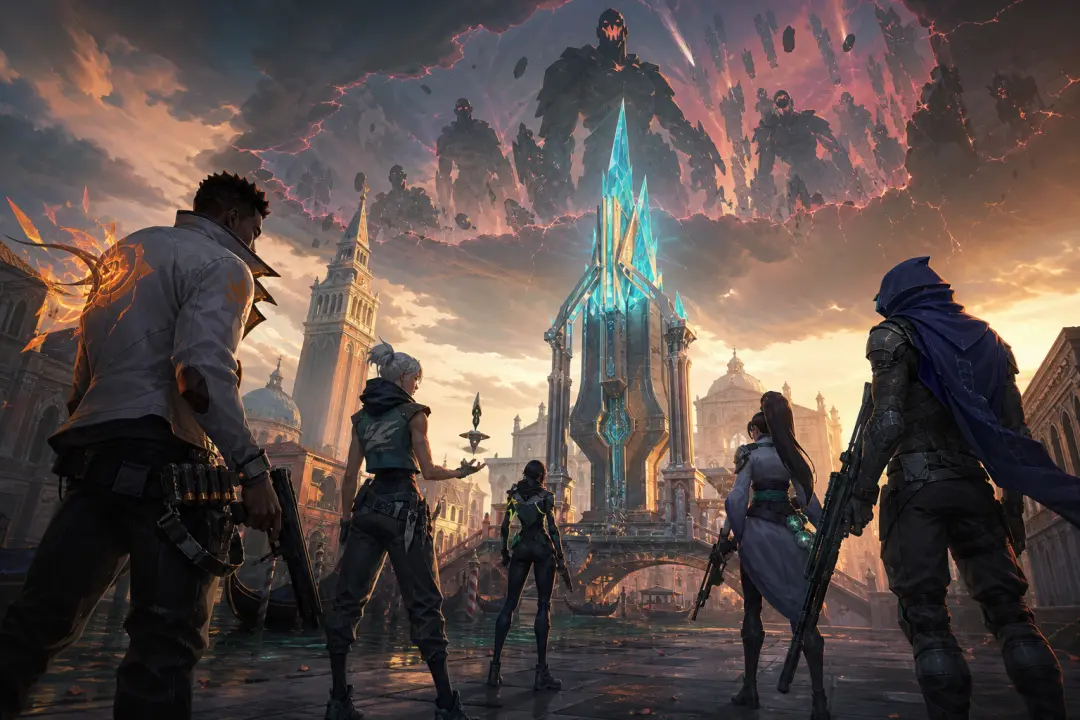
Generate tactical shooter key visuals with AI: lock a visual-style brief, write one sentence, and compare GPT Image 2 vs Krea 2 on the same prompt — demonstrated on the VALORANT Protocol world.
AI Tactical Shooter Key Visual Generator
The tactical shooter key visual generator is an AI workflow that turns a world's visual-style brief into the cinematic key art of a modern FPS — the poster frame that sells the game before a single match is played. The reference world for this guide is VALORANT Protocol: a near-future Earth remade by Radianite, where covert agents and awakened Radiants hold the line against a mirror-Earth Legion.
Why does this use case matter? A key visual is the hardest frame in any shooter. It has to compress the whole game — cast, palette, tone, stakes — into a single image. Traditionally that is weeks of senior-artist time. But with a visual-style brief locked into a text-to-image model, the same key art can be generated in minutes, iterated all afternoon, and compared across models by running one prompt through two engines.
What Is a Tactical Shooter Key Visual?
A key visual is the poster frame of a scene — the composition, color script, and emotional beat a team centers on. In tactical shooters, key visuals are usually painted, not rendered: cinematic lighting, dust and glass, silhouettes against a massive environmental threat. That painterly quality is exactly what makes key visuals a great text-to-image use case: the style language is everything, and the style can be locked into a brief.
World key visual
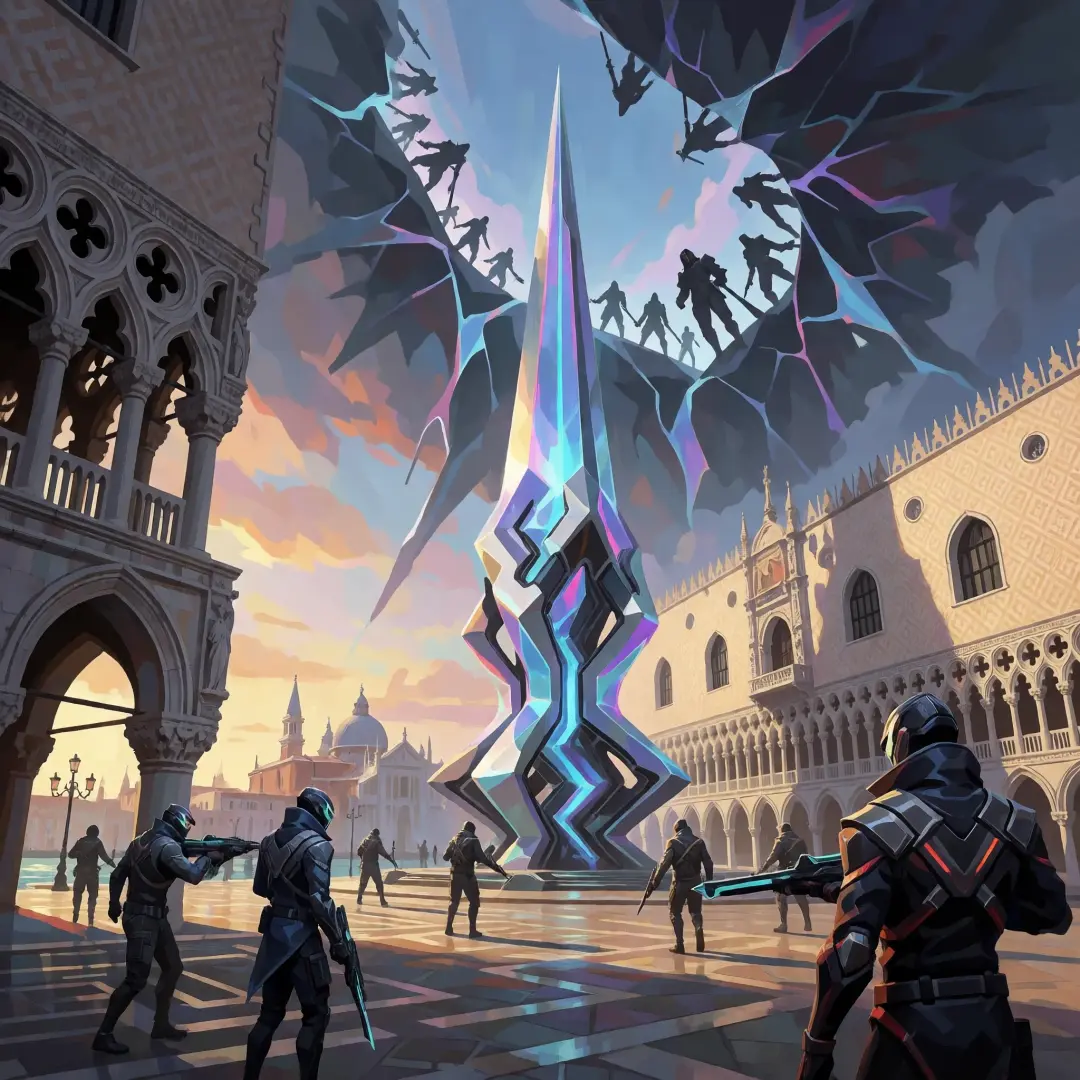
The establishing image of the whole setting — the strike team on the Ascent plaza under a rift, showing where the story lives in one frame.
Map key visual
A hero frame of a battleground — Bind's teleporters, Icebox's frozen labs, the Fracture chasm.
Agent key visual
A single frame that establishes a character's design, palette and emotional presence — Jett mid-dash, Sage casting her barrier.
Style frame
A pure style test — palette, brush, particles — generated before production to lock the game's look.
Why Use AI for Shooter Key Visuals
Tactical shooters are slow by design: months of concept phases, locked palettes, and a thousand decisions per map. AI key visual generation does not replace that craft — it accelerates the previsualization that happens before the first brushstroke, letting teams test a world's style across multiple models before committing a single line.
Style locking
The visual-style brief is reused verbatim in every prompt, so agents, maps and scenes stay visually consistent across shots and models.
Iteration speed
Directors see twenty color scripts in an afternoon instead of waiting weeks for painted maquettes.
Model comparison
Running the same brief through GPT Image 2 and Krea 2 exposes two honest interpretations of the same world — useful for picking a production look.
Shareable assets
Every generated key visual can be published as a work inside the world — part of the canon, and a starting point for other creators.
VALORANT Protocol — The Reference World
VALORANT Protocol is the perfect stress test for a tactical shooter key visual generator. Its style language is precise — high-finish commercial game painterly, deep chromatic shadows, narrow saturated cyan-and-orange accents — and its subject matter is emotionally heavy: small teams against overwhelming, world-ending threats. The visual style brief pins all of it down.
The Model Comparison
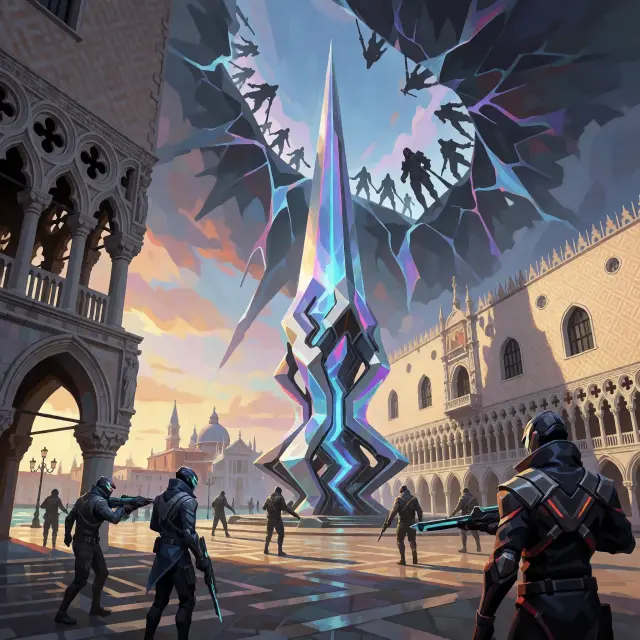
The core of this use case is the comparison run: the same one-sentence brief, two models, two works, both published inside the world. GPT Image 2 leans into photorealism, fine detail and sophisticated layout; Krea 2 leans into expressive illustration, graphic design and fast iterative ideation. The world gets two honest interpretations — and a production decision gets easier.
Visual-style brief → One-sentence scene → Subject and scale → Model → Compare against the brief
Key Visual Work in the World
How the Works Were Made
Both key visuals started from the same two inputs: the world's visual-style brief and a single sentence describing the scene. The outputs were then published as shareable works inside the VALORANT Protocol world, ready to be forked into games, videos and assets by anyone.
Choose the scene
The Ascent plaza under the rift — the world's establishing shot, with the Venturi machine as the focal point.
Cast the subject
A covert strike team facing the tear, plus the Omega Legion silhouette marching through — heroes and mirror at once.
Set the mood
Golden Venetian dawn colliding with cold rift light — warm city, alien threat.
Render both models
The same prompt runs through GPT Image 2 and Krea 2; the studio publishes both as works.
Iterate
Compare, re-prompt, or fork the world and start again — every key visual is a fork point.
The Fracture Incident Brief
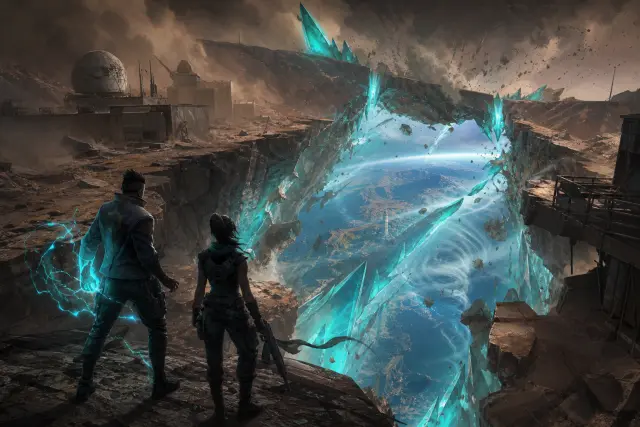
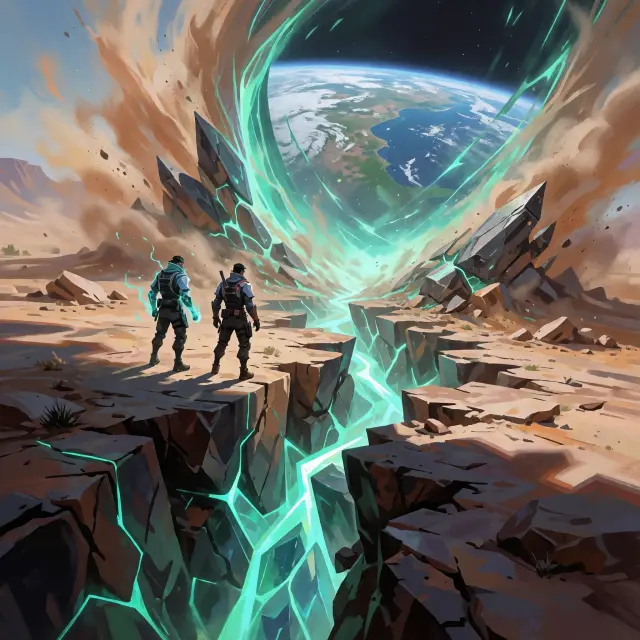
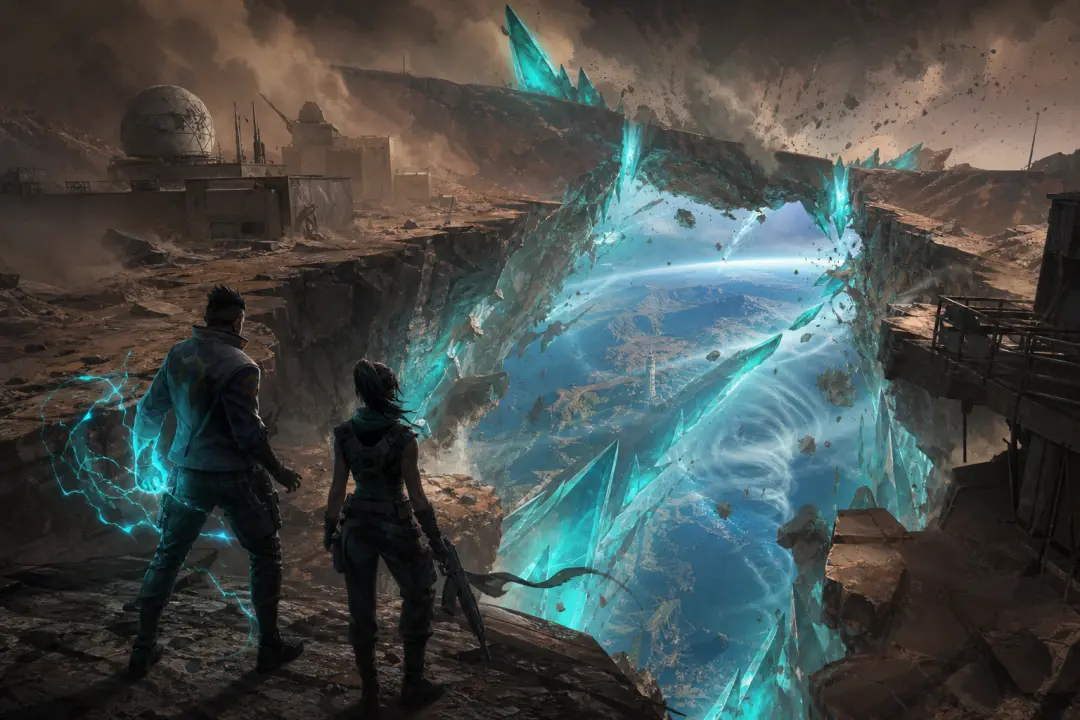
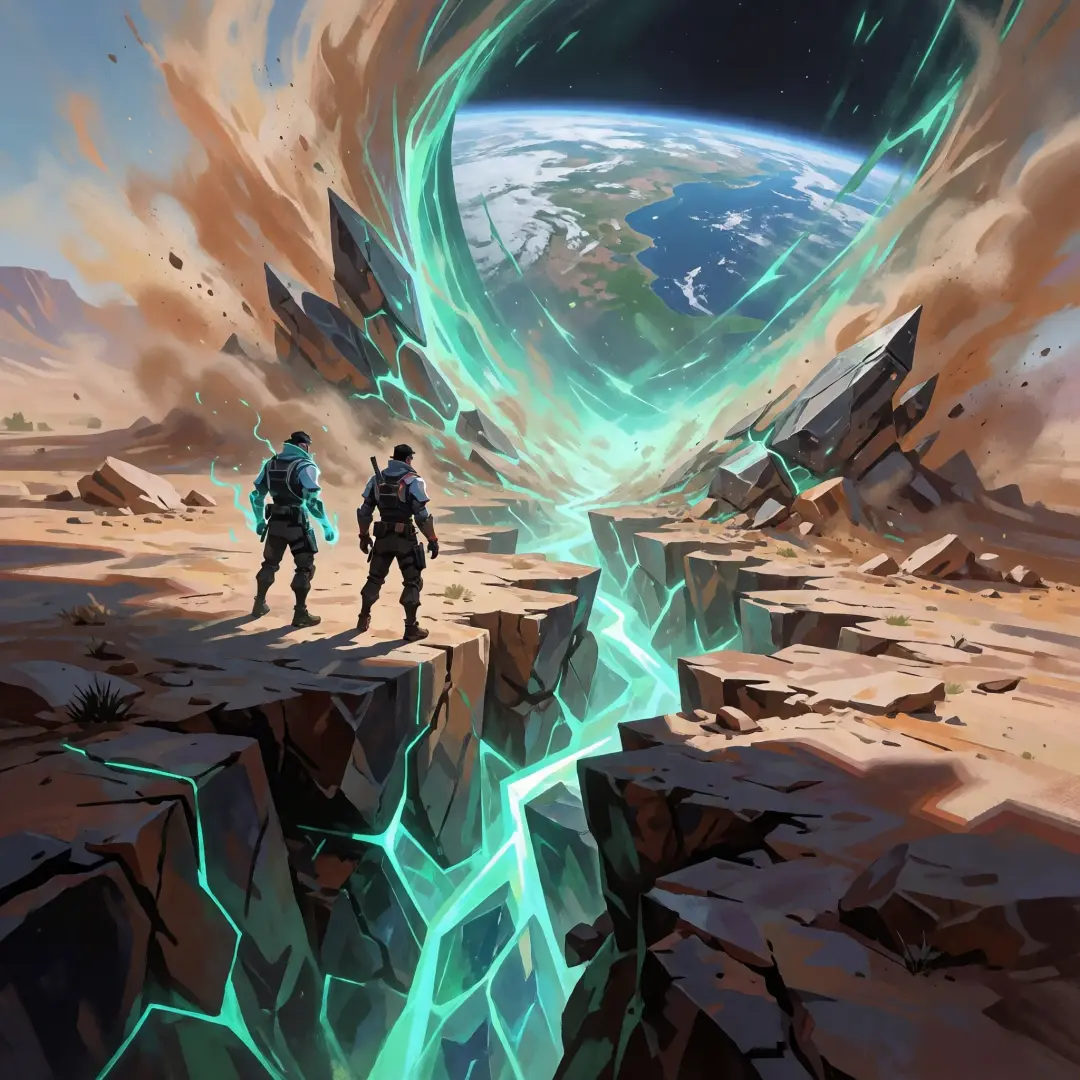
The second comparison pair tests a different beat of the world: the dimensional rupture in New Mexico. Same method — one visual-style brief, one sentence — and the two models deliver strikingly different answers to the same question: what does the bridge to Omega Earth look like?
Reading the Comparison
GPT Image 2 resolves the scene as story: characters, cause and consequence in one readable frame. Krea 2 resolves the scene as atmosphere: the tear itself becomes the hero, and the agents shrink into witnesses. Neither is wrong — they are two different cuts of the same cinematic moment, and a team picks based on what the key visual has to sell.
GPT Image 2
Photorealistic detail, precise layout, character-first storytelling — ideal for store capsules and hero banners.
Krea 2
Expressive illustration, strong aesthetics, fast iteration — ideal for mood boards and style exploration.
Same brief
Both models receive identical text — the comparison isolates the model, not the prompt.
Both published
Each output becomes a work in the world, so the comparison itself is shareable canon.
Who This Use Case Is For
For indie studios that need a capsule image before a single asset exists. For game directors who want twenty color scripts by Friday. For world-builders who want their setting to look finished the moment it is published. For artists who want a faster way to test a look before committing weeks to it. And for fans who want to see their favorite shooter worlds rendered in new styles — or fork the world and make their own.
Create Tactical Shooter Key Visuals in Minutes
Turn one sentence about a plaza, a mirror Earth, or a chasm in New Mexico into a banner-ready tactical shooter key visual — no concept team, no asset hunt.
Make Your Own First Frame
Fork the VALORANT Protocol world, reuse its visual-style brief, and publish your own key visuals as shareable works.