Aseprite Alternative — A Free Pixel Art Program for Game Devs
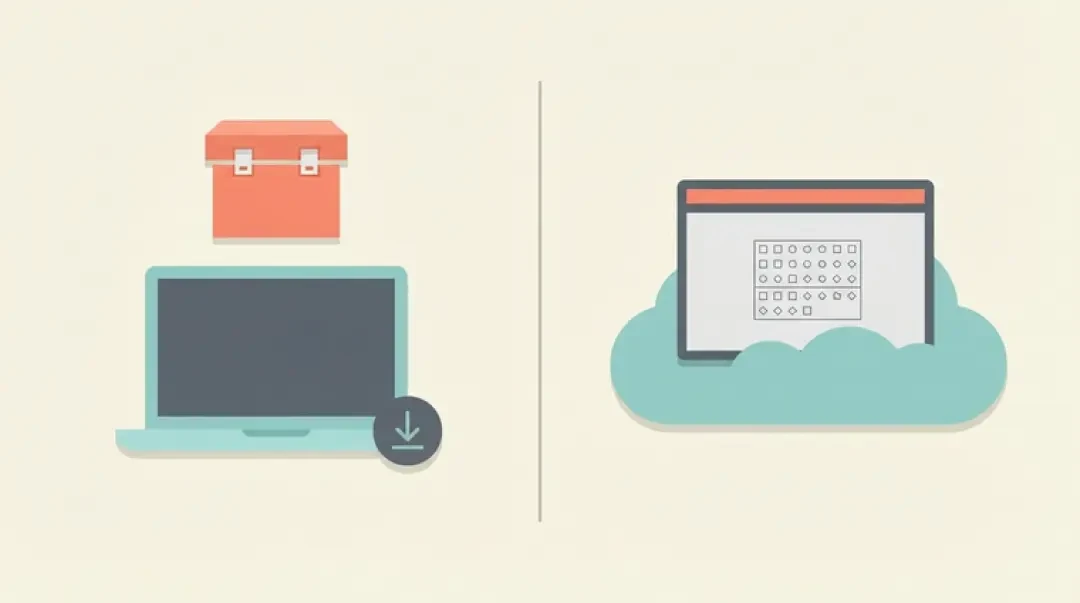
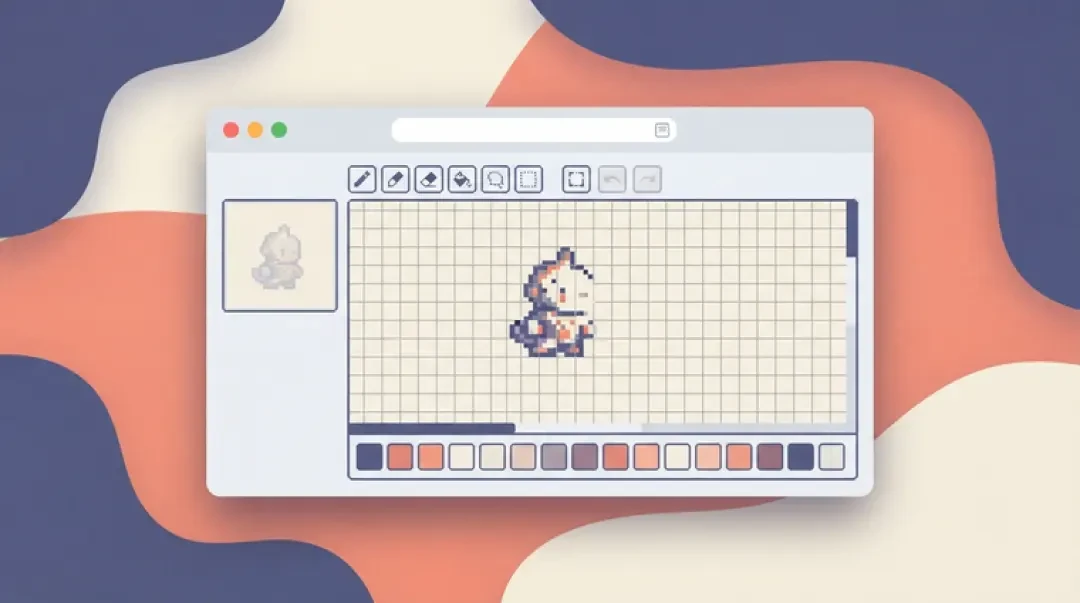
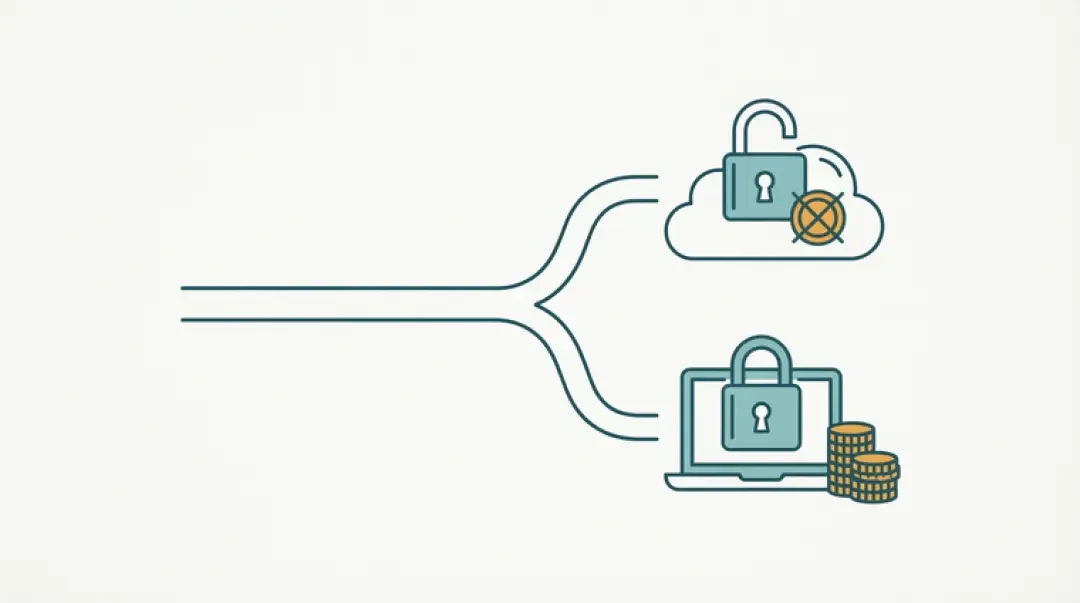
Make your own aseprite alternative
Looking for a pixel art program like Aseprite? Compare a free browser option that draws, animates and generates sprites — and goes one step further into 3D.
An Aseprite alternative has to answer a narrow question first: what does a pixel art program actually do that a general image editor cannot? Three things — a pixel grid you can trust at zoom, a palette you can lock and index, and frame-based animation with onion skinning. If a tool does those three, the rest is preference. Aseprite does all three well, is desktop-only, and costs money. This page compares it against a free pixel art program that runs in the browser, draws and animates by hand, and adds a generation path that writes sprites from text.
Neta Studio is a browser-based 3D world and game builder. One part of it is a pixel canvas: pick a size, draw frame by frame, export a sprite sheet. Another part is Agent Sprite Forge, which generates pixel sprites and animation frames from a written description. The same assets then drop into an isometric 3D scene in the 3D game builder — The Cyclops' Island and Mini World are built on exactly that pipeline. Below is what each tool is good at, where the browser route differs, and the failure modes that matter when you move sprites between them.
What a Pixel Art Program Is For
A pixel art program is a grid editor with constraints. The grid has to be exact — every stroke lands on a whole pixel, every export cell is the size you set, and no resampling filter sneaks in a blur. A 32x32 character and a 128x128 tileset are different jobs, but both break the same way when the tool treats a pixel as a suggestion. If your editor rounds coordinates or applies antialiasing on transform, the sprite stops tiling and the palette stops matching.
The second requirement is a palette you can lock. In indexed pixel work the palette is the file — a fixed set of colors, each with an index. An editor that recolors freely on import is not a pixel art program, it is a paint program pointed at small images. You want to load a palette, edit against it, and know that index 7 is still the same red when the sheet lands in code.
The third requirement is animation with onion skinning. Pixel animation lives on the frame level: 4, 6, or 8 frames for a walk cycle, each frame edited next to a ghost of the previous one. Onion skinning is how you keep a silhouette stable between frames without measuring. Everything beyond these three — layers, tags, scripting, tileset modes, export presets — is preference. It is also where tools separate.
The three requirements, restated
Grid: fixed canvas size, integer zoom, no resampling on scale. Palette: load, index, lock. Animation: N frames, onion skinning, export as a sheet. Judge any Aseprite alternative against those, not against the feature list.
Aseprite at a Glance
Aseprite is a desktop pixel art program and animation software. It is paid, it runs on Windows, macOS and Linux, and it is genuinely excellent at the thing it was built for: frame-by-frame animation. Onion skinning is first-class, the timeline is fast, and the tag system lets you name ranges like 'idle' and 'run' so export knows what to cut. It ships a Lua scripting API, so you can batch a hundred sprites, remap palettes, or write your own export pipeline. Its community is large and the file format is well documented, which is why so many game projects keep .aseprite files in the repo.
The costs are structural, not quality. It is desktop software, so the machine you draw on is the machine you install on — no phone, no Chromebook, no shared link to a collaborator's canvas. It is paid, which matters if you are running a class, a game jam, or a team. And it is a pixel art program, full stop: it will not generate a sprite for you, and it will not place one in a 3D scene. If your work is purely hand-drawn 2D animation, that trade is fine. If your bottleneck is producing forty sprites instead of one, it is not.
| Property | Aseprite | Neta Studio browser route |
|---|---|---|
| Platform | Desktop (Windows, macOS, Linux) | Browser |
| Cost | Paid | Free |
| Core strength | Frame-by-frame animation, scripting | Draw + generate + place in 3D |
| Sprite input | Hand-drawn | Hand-drawn or generated from text |
| Output | PNG sheets, GIF, .aseprite | PNG sheets, sprite assets for scenes |
| Scene step | External engine | 3D game builder, no engine install |
What a Free Browser Program Covers
A browser pixel editor meets all three requirements, but it meets two of them differently. The grid is the same job: you set a canvas size, say 32x32 or 64x64, and draw at integer zoom. The difference is in interaction — a browser canvas has no OS-level pressure sensitivity and no tablet driver hooks, so lines come from pointer events. For pixel work that is mostly an advantage, since a 1-pixel stroke is either on a pixel or off it. Zoom and grid snapping do the real work.
The palette meets the requirement the same way: load an indexed set, draw against it, keep indices stable on export. Where a browser tool usually loses to desktop is performance at large canvases — a 512x512 indexed image with twenty layers is heavier in a browser tab than a native app. In practice most game sprites are far below that. A 64x64 character over 8 frames is trivial for either.
The third requirement, animation, is where the browser route behaves the same and exports the same: frames, onion skinning, and a sheet laid out in uniform cells. The thing it adds is the fourth path — generation. Instead of drawing sprite forty, you describe it. Agent Sprite Forge takes a text description and produces pixel sprites and animation frames in your project, which you can then edit on the same canvas, frame by frame, like any hand-drawn work.
What generation changes
Generation does not replace drawing, it changes the order. Draw the hero, generate the crowd, then hand-fix the generated frames that read wrong at game scale. The canvas is the same canvas; the sprites arrive from two sources.
Draw or Generate — When Each Is Faster
The decision is not 'which is better', it is 'which is cheaper for this specific asset'. Hand-drawing wins when the sprite carries identity or needs exact pixel control. Generation wins when the asset is numerous, structurally similar, and tolerant of iteration. Below is a concrete list based on real cases.
A single hero sprite — draw it. You will revise it a dozen times, and generation would cost more in prompting and cleanup than drawing. A forty-sprite cast — generate it. Forty hand-drawn characters is a week of work; forty generated ones are a prompt, a review pass, and edits on the handful that read poorly at 32x32. A tileset — draw the base tiles by hand, because seams and edges need exact pixel placement, then generate variants only if your generator supports matching dimensions and palette.
A quick concept — generate it. You want to see a silhouette in the scene before committing. A concept you will throw away is not worth a hand-drawn pass.
- Single hero spriteDraw. Identity and revision count make hand work cheaper.
- Forty-sprite castGenerate. Volume dominates; fix outliers by hand on the shared canvas.
- TilesetDraw the base tiles, generate variants only at matching grid and palette.
- Quick conceptGenerate. Throwing it away is the point.
Animation and Sprite Sheets
A sprite sheet is a grid of frames. The rules are simple and unforgiving: uniform cells, and the frame size must divide the sheet evenly into columns and rows. If your character is 32x32 and you have 8 frames, a 128x64 sheet gives you a 4x2 grid — 4 columns, 2 rows, 8 cells, each exactly 32x32. That divides evenly, so nothing is left over. If you instead export a 130x64 sheet, two pixels of padding appear and every engine that slices frames by index reads the wrong pixels from frame one onward.
The second failure mode is animation length. A walk cycle at 4 frames reads differently than one at 8. Four frames is fast and cheap; eight frames is smoother and roughly doubles your editing and export cost. Onion skinning is how you keep those frames consistent — draw frame 2 over a ghost of frame 1, frame 3 over a ghost of frame 2, and the image should change by a controlled amount each step. If a frame moves more than a couple of pixels in the silhouette, the loop will visibly jump.
Export presets matter here. Aseprite lets you name frame ranges as tags and export one sheet per tag. A free online sprite maker in the browser does the same job with named ranges on the timeline, then writes the sheet with uniform cells and a sheet metadata block that records the grid. Keep that metadata with the PNG. When a sheet and its metadata drift apart, every animation in the game plays the wrong frames, and it is one of the least obvious bugs to diagnose by eye.
| Frames | Cell size | Sheet layout | Divides evenly |
|---|---|---|---|
| 8 | 32x32 | 128x64 (4x2) | Yes |
| 8 | 32x32 | 130x64 | No — 2px remainder |
| 6 | 16x16 | 96x16 (6x1) | Yes |
| 6 | 16x16 | 100x16 | No — 4px remainder |
Try the Browser Route
The claim of a free Aseprite alternative should be testable, not asserted. On the page there are two tools side by side. The first is the hand-edit pixel canvas: set a size, load or build a palette, draw frame by frame with onion skinning visible underneath the current frame, then export a uniform sheet. That is the Aseprite workflow, minus the install and the price, at typical game sprite sizes.
The second is the generator. Type a description of a sprite and its animation, and Agent Sprite Forge produces frames into the same project. Those frames land on the canvas, so you can open one and edit it by hand — fix a foot that lands off the ground line, tighten a silhouette, or correct a color that breaks your palette.
Both halves write to the same asset store. You do not pick a route and commit; you use the cheap one where it is cheap. This is the part that is hard to show in text and easy to show in a tool, which is why both are on the page instead of described.
01
Open the pixel canvas and set a canvas size — 32x32 or 64x64 covers most characters.
02
Load an indexed palette or define one, then draw the first frame.
03
Add frames for the cycle and check the onion skin — the silhouette should move a controlled amount per frame.
04
If you need volume, generate sprites with Agent Sprite Forge and pull the frames into the same project.
05
Edit generated frames by hand on the canvas until they match the drawn ones in scale and palette.
06
Export the sheet with uniform cells; verify the frame size divides the sheet exactly.
07
Keep the sheet metadata with the PNG so frame slicing stays correct in code.
Sprites Into a World
Sprite sheets are not the end of this pipeline. The 3D game builder takes the same pixel assets and places them in an isometric 3D scene, rendered in the browser with no engine to install. You position a sprite in a world, give it a frame range to play, and it animates there. The Cyclops' Island and Mini World are two scenes built this way — pixel assets, isometric layout, running in the browser.
The reason this matters for the Aseprite-alternative question is iteration speed. In a desktop-to-engine workflow you draw, export, import into the engine, build, run, and look. The loop crosses two applications and a build step. Here the drawing canvas, the generator, and the scene are in the same tool, so an edit to a walk cycle is visible in the world without an export-import round trip. You still export the sheet if you need it elsewhere — the assets are yours as PNG — but you do not have to leave the browser to see whether a sprite reads at game scale.
That is the honest boundary between the two tools. Aseprite is the stronger pure 2D animation application. The browser route is weaker on large-canvas performance and desktop integration, and stronger on generation and on the distance between a drawn pixel and a running scene.
Walk into the world it belongs to
A category page should end with the category in your hands. Open the tool, generate one sprite, then open the world it belongs in — both run in this browser tab, and neither asks you to install a program.
FAQ
Is a free pixel art program enough for real work? +
For game sprites, usually yes — grid, palette, frames, and uniform sheet export cover the job. It falls short at large canvases with many layers, where a native app has more memory and GPU headroom.
Can a browser pixel editor animate? +
Yes. You get multiple frames, onion skinning against the previous and next frame, and sprite sheet export in uniform cells. What you do not get is a scripting API for batch operations across many files.
Will it open Aseprite files? +
Treat .aseprite as a desktop format and use PNG sprite sheets as the interchange. Export from Aseprite to a PNG sheet, import that PNG, and keep the grid metadata — frame size, columns, rows — alongside it.
Which is best for game dev? +
Aseprite if your bottleneck is hand-drawn 2D animation volume and desktop tooling. The browser route if your bottleneck is producing enough sprites or moving them into a running scene without an export-import-build loop.
Do I need to draw well? +
You need to read a silhouette at 32x32, which is learnable. Generation lowers the entry point: edit a generated frame instead of starting on an empty grid, and the errors are easier to see.
How do I get the sprites into an engine? +
Export a PNG sheet with uniform cells, then record frame size, grid columns and rows, and frame order. Engines slice by cell size and index, so those values are the integration. The 3D game builder can also place the asset directly and skip the export.
Back to the 3D Game Builder
All 31 finished 3D worlds, games and scenes live on one page — every one of them playable.