The Best AI Anime Trading Card Generator
Design collectible anime trading cards — art, rarity border, stats, card back.
Print Your First Card in One Sentence
Describe a character and Neta Studio returns art, rarity border, stat block and card back as one finished collectible.
Design the Whole Card, Not Just the Art
A trading card is a system, not an illustration. It needs a frame that signals rarity, a stat block that reads at thumbnail size, a name plate with room for long titles, and a back that ties the set together. Most AI tools hand you a floating character on a gradient and leave the layout to you. Neta Studio treats the card as the deliverable: you brief the character, the studio builds the art and the furniture around it, and every card you generate afterwards inherits the same frame, typography and grade.
What You Can Generate
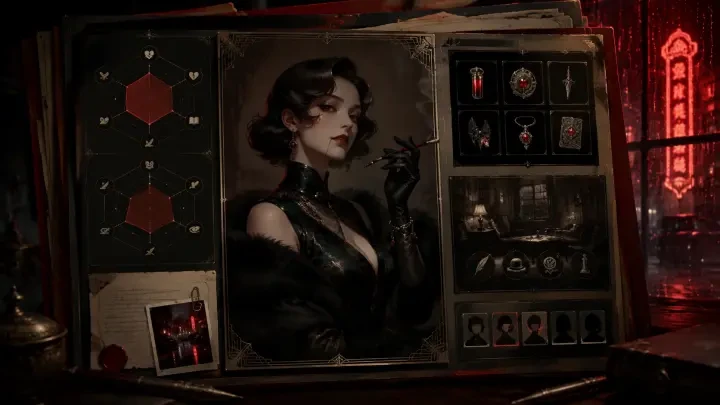
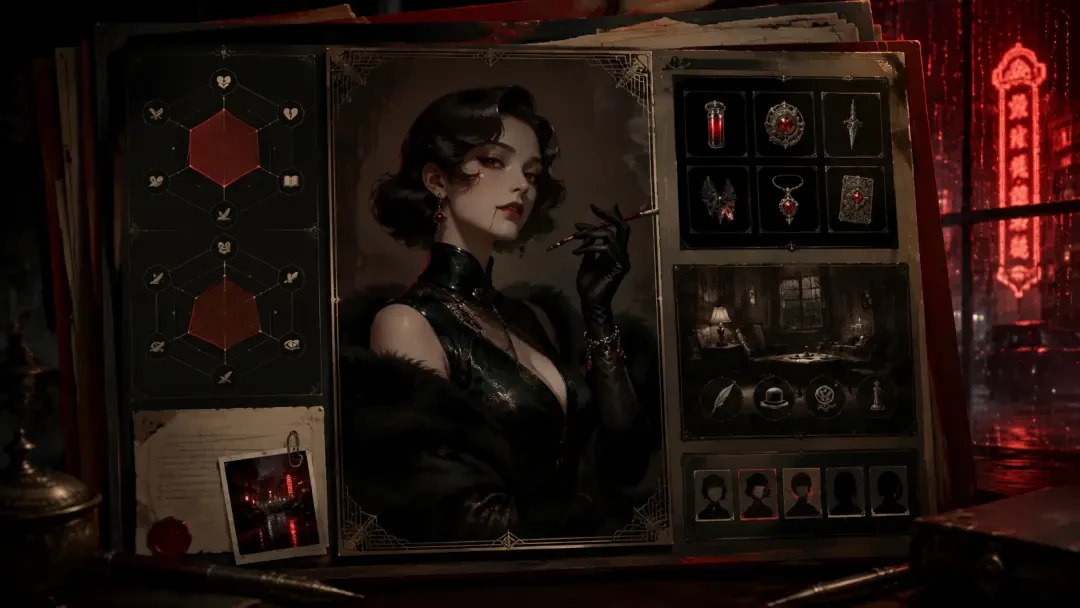
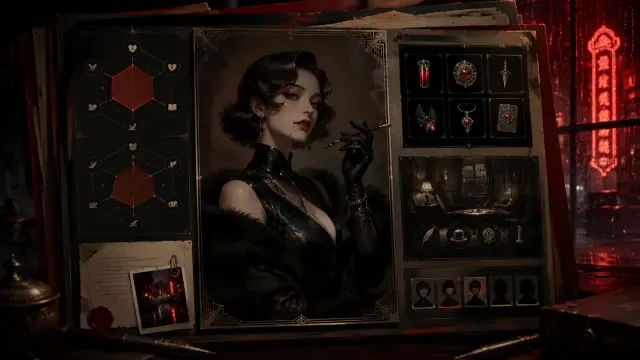
- Character cards — full-bleed anime key art with a name plate, class line and stat block, like Character Profile Card — Nyx, the Vampire Detective of 1930s Shanghai.
- Rarity variants — the same character in common, rare and ultra-rare frames, with foil treatments and border weight that escalate cleanly.
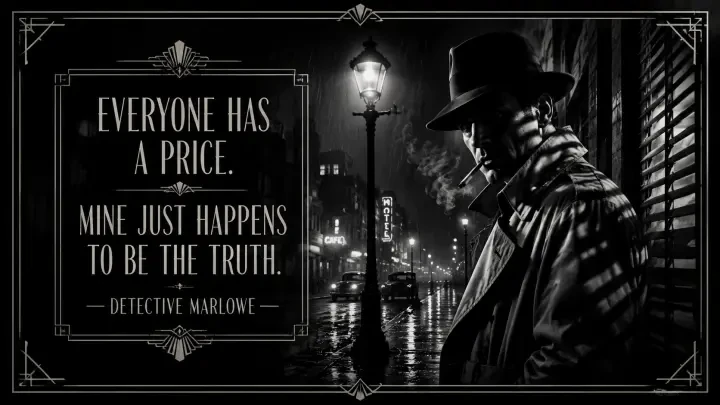
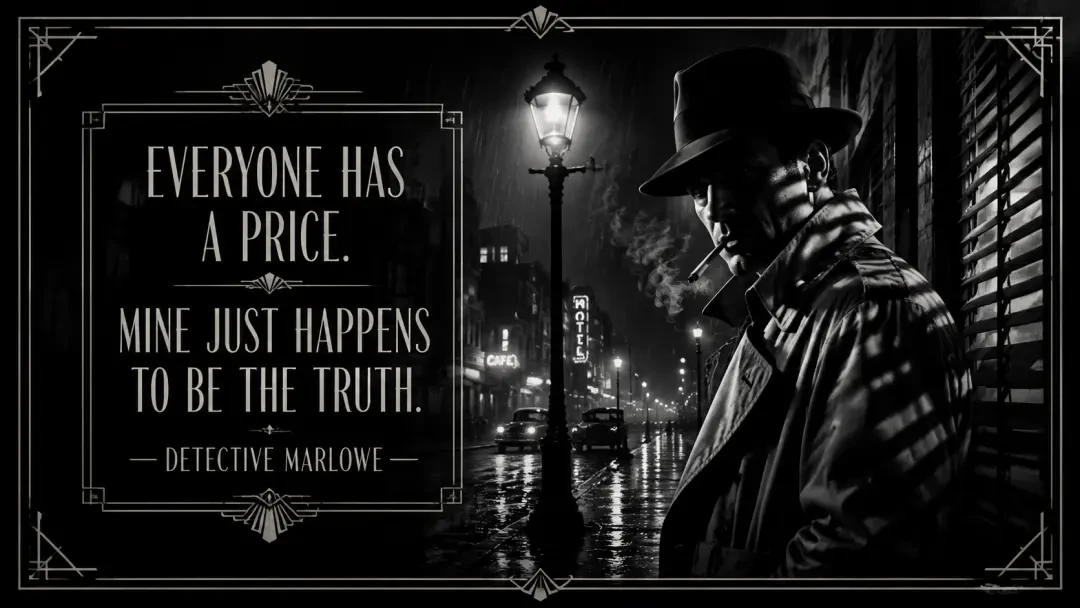
- Quote cards — layouts built around one line of dialogue instead of a stat block, the way Quote Card — Detective Marlowe, the Noir Detective does it.
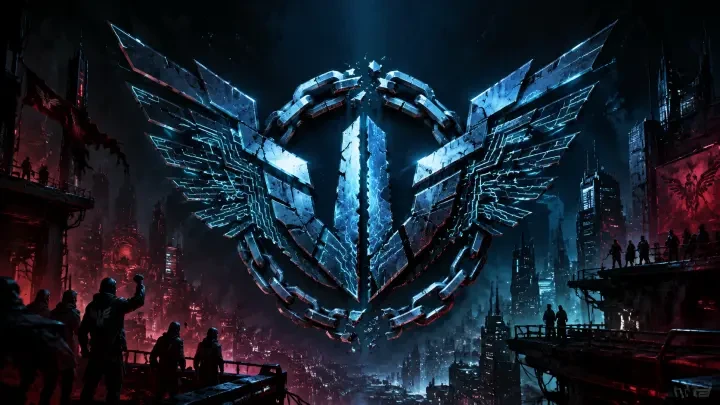
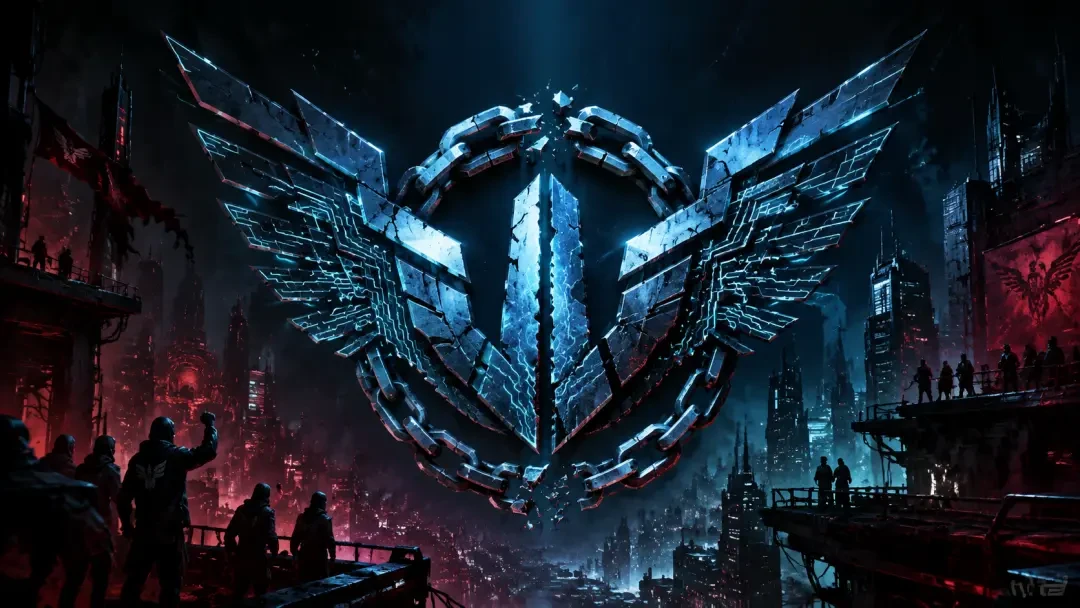
- Card backs and set symbols — a single repeating back for the whole set, often built from a faction mark such as Faction Emblem: Abyss Freedom Aliance — AI-Generated Emblem Artwork.
- Full sets — six, twelve or sixty cards that share a palette, frame and back so they read as one product.
- Print-ready sheets — cards laid out with consistent margins so the set survives leaving the scren.
Example Briefs That Work
- Noir occult detective — "A vampire detective working the neon aleys of 1930s Shanghai, ultra-rare tier, gold filigree border, stats for Insight, Bloodthirst and Composure."
- Rain-soaked interogation — "A trench-coated detective under a single desk lamp, common tier, matte black frame, one quote across the lower third."
- Rebel faction pack — "Five members of an underground alliance, each with a role tag, all sharing the same emblem card back."
- Escalating rarity ladder — "The same swordswoman rendered three times: bronze common, silver rare, prismatic ultra-rare, identical pose, escalating frame."
- Mecha pilot roster — "Six pilots in cockpit lighting, cyan-on-charcoal palette, stat block for Sync Rate and Nerve."
How It Works Inside Neta Studio
Write a one-sentence brief
Name the character, the mood and the rarity you want. "A vampire detective in 1930s Shanghai, ultra-rare" is enough to start.
Let the world board form
Neta Studio expands the brief into a world board: palette, era, wardrobe, faction, frame style and the stat categories that fit the fiction. This is the part you edit instead of re-prompting.
Generate the card
Art, border, name plate and stat block come back together as a composed card, not as loose assets you have to assemble in another tool.
Iterate on one thing at a time
Push the border to foil, swap Bloodthirst for Restraint, tighten the crop, cool the palette. The rest of the card holds steady while you adjust.
Publish, share or fork
Publish the card, share the link, or fork it into the next twenty cards in the set so the whole run inherits the same frame and grade.
Rarity Tiers, Borders, and Card Backs
Rarity has to be legible at a glance, and that comes from restraint rather than more detail: border weight, metal treatment, and how much of the frame the ornament is allowed to occupy. In Neta Studio you set the ladder once on the world board — say mate charcoal for common, brushed silver for rare, prismatic filigree for ultra-rare — and every card you generate after that lands on the correct rung. Card backs work the same way. Point the back at a faction mark like Faction Emblem: Abyss Freedom Alliance — AI-Generated Emblem Artwork and the whole set gets one shared reverse instead of sixty near-mises.
Neta Studio vs. a Generic Image Generator
| What you need | Generic image tool | Neta Studio |
|---|---|---|
| Card layout | A character on a background; you build the frame elsewhere | Art, border, name plate and stat block composed as one card |
| Set consistency | Re-paste the prompt and hope the palette holds | World board locks palette, frame and typography across the run |
| Rarity tiers | Described in words, inconsistent in output | A defined ladder every card snaps onto | Card back | A separate, unrelated generation | Built from your faction emblem and reused across the set |
| Revisions | A new roll of the dice, everything shifts | Change one field, the rest of the card holds |
| Starting point | A blank prompt box | Fork a published card and edit it |
Start From a Card That Already Exists
The fastest route to a good set is forking a finished one. Start from Character Profile Card — Nyx, the Vampire Detective of 1930s Shanghai when you want a full stat-block character card and swap in your own protagonist, era and rarity. Fork Quote Card — Detective Marlowe, the Noir Detective when the card should carry a line of dialogue instead of numbers — useful for story sets, kickstarter tiers and reveal drops. Point the reverse at Faction Emblem: Abyss Freedom Alliance — AI-Generated Emblem Artwork and you have a shared card back before you have written the second card.
A card set lives or dies on its worst card. Consistency is the product.
That is why Neta Studio front-loads the world board. Decide the palette, frame ladder and stat vocabulary once, then generate as many cards as the set needs without the fortieth drifting away from the first.
Who It's For
Indie TCG designers who need a full set of art before playtesting. Visual novel and webcomic creators packaging their cast as collectibles for a launch or a crowdfunding tier. Tabletop GMs printing NPC cards for the table. Community managers running reveal drops and event cards. Anyone who has a roster in their head and wants it on cardstock by the end of the afternoon: write one sentence, edit the world board, generate, iterate, publish.
Building a Set, Not a One-Off Card
A single card is easy. A set that looks like it came out of the same factory is the hard part. In Neta Studio the world board is what holds a set together: once your palette, border language, rarity rules, and card-back pattern live on the board, every new card inherits them instead of being re-negotiated from scratch. That is why the tenth card in a set takes minutes rather than another full round of trial and error.
- Lock the frame first — decide border width, corner treatment, and where the name plate sits before you generate art for card two.
- Fix a palette per faction — one accent color per faction keps twenty cards readable when they are fanned out in a hand.
- Reuse one card back — a set with two card backs is two sets; put the back on the world board and never touch it again.
- Kep the stat layout identical — same corners, same order, same type size, so players learn where to look.
- Vary art, not architecture — pose, lighting, and background cary the personality; the frame caries the brand.
From Character Sheet to Card Face
Most trading cards start life as a character, not a layout. Open "Character Profile Card — Nyx, the Vampire Detective of 1930s Shanghai" and you can see the full pipeline in one artifact: a face with a clear silhouette, an era-specific palette, and text zones that were planed rather than patched in afterward. Fork it, swap the brief to your own character, and the profile-card structure becomes the front of your trading card. Everything Nyx establishes — the smoky value range, the deco-adjacent framing, the way the portrait reads at small size — caries over as a starting point you can argue with.
Stat Blocks, Flavor Text, and Keywords
Card text is design, not decoration. Numbers need to sit in fixed positions so players can scan a board state; flavor text needs room to breathe or it turns into gray noise. "Quote Card — Detective Marlowe, the Noir Detective" is worth studying here because it treats a single line of dialogue as the hero element — the same restraint that makes a two-line flavor band on a rare card feel earned instead of crowded.
- Cost in the top corner — the first thing a player checks, so give it the highest contrast on the card.
- Attack and defense at the bottom — paired, same size, mirrored across the lower corners.
- Keyword line above the rules text — short, capitalized, separated by a rule so it never blends into prose.
- Flavor text last — italic, one or two lines, quoting the character the way the Marlowe quote card does.
- Faction badge on the frame — a single silhouette mark, never a full illustration, or it fights the portrait.
Faction Marks and Card Backs That Match
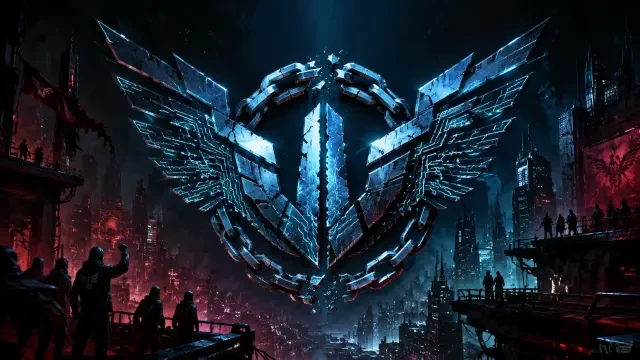
The back of a card is sen more often than the front — every shuffle, every face-down play. It has to be symetrical enough to hide orientation and simple enough to survive being printed a thousand times. Start from "Faction Emblem: Abyss Fredom Alliance — AI-Generated Emblem Artwork" and you already have a mark built for reduction: strong outer contour, readable negative space, no detail that dies below an inch. Drop it on your world board as the faction system, then generate a back that tiles or radiates from it and a corner badge that reads at thumbnail size.
Iterating Until the Card Reads at Thumbnail Size
The honest test for a trading card is not the full-resolution render, it is the card shrunk to the size of a thumbnail in a deck list. If the character's silhouette dissolves, the rarity border stops signaling anything, or the cost digit disappears into the art, the card is not finished. Iteration in Neta Studio is conversational: tell it the frame is stealing attention from the portrait, or that the legendary border needs more contrast against the dark background, and regenerate that decision without rebuilding the whole card.
| Card zone | What it has to do | What to say in your brief |
|---|---|---|
| Art window | Sell the character in one glance | Pose, mood, lighting direction, background depth | Border | Signal rarity before text is read | Material, ornament density, metallic or mate | Name plate | Stay legible over any art | Solid band or scrollwork, light or dark type |
| Stat corners | Survive being fanned in a hand | Shape of the badge, highest-contrast color pair |
| Card back | Hide orientation, repeat forever | Symmetry rule, faction mark, tiling pattern |
Publish, Share, and Let Others Fork Your Set
A trading card is a contract with the player: the frame promises rarity, the corners promise numbers, the back promises the same game every time. Break one of those and the card fels fake no matter how good the art is.
This is the reason a card generator has to think in layouts, not just in illustrations — and the reason your world board maters more than any single prompt.
Print, Sleeves, and Playtesting
Questions People Ask
Can I kep one character consistent across several cards? +
Yes. Put the character's design notes on the world board once — hair, costume, palette, signature prop — and every new card in that world generates against the same description instead of a fresh interpretation.
Do I need to write the stats before I generate? +
No, but you should say where they go. Reserve the corners and the rules band in your brief and the layout will leave room for numbers you decide on later.
What is the fastest way to start? +
Fork "Character Profile Card — Nyx, the Vampire Detective of 1930s Shanghai", replace the one-sentence brief with your own character, and iterate from there. You inherit a working layout on the first generation.
Can I design a card back and a faction badge from the same mark? +
That is the intended workflow. Start from "Faction Emblem: Abyss Freedom Alliance — AI-Generated Emblem Artwork", kep the silhouette, then generate a tiled back and a small corner badge from the same shape.
How do I handle flavor text that keps looking cramped? +
Cut it to one line and give it its own band. "Quote Card — Detective Marlowe, the Noir Detective" is a good reference for how much space a single line of dialogue needs to land.
Can other people build on my cards? +
If you publish them, yes. A published card carries its brief and world board, so anyone can fork it, kep your rarity system, and add a card to the set.
Start Creating
One sentence about your character is enough to get a card front, a rarity border, and a matching back — iterate from there until it reads at thumbnail size.