The Best AI Fantasy MOBA Key Visual Generator — Splash Art from One Prompt
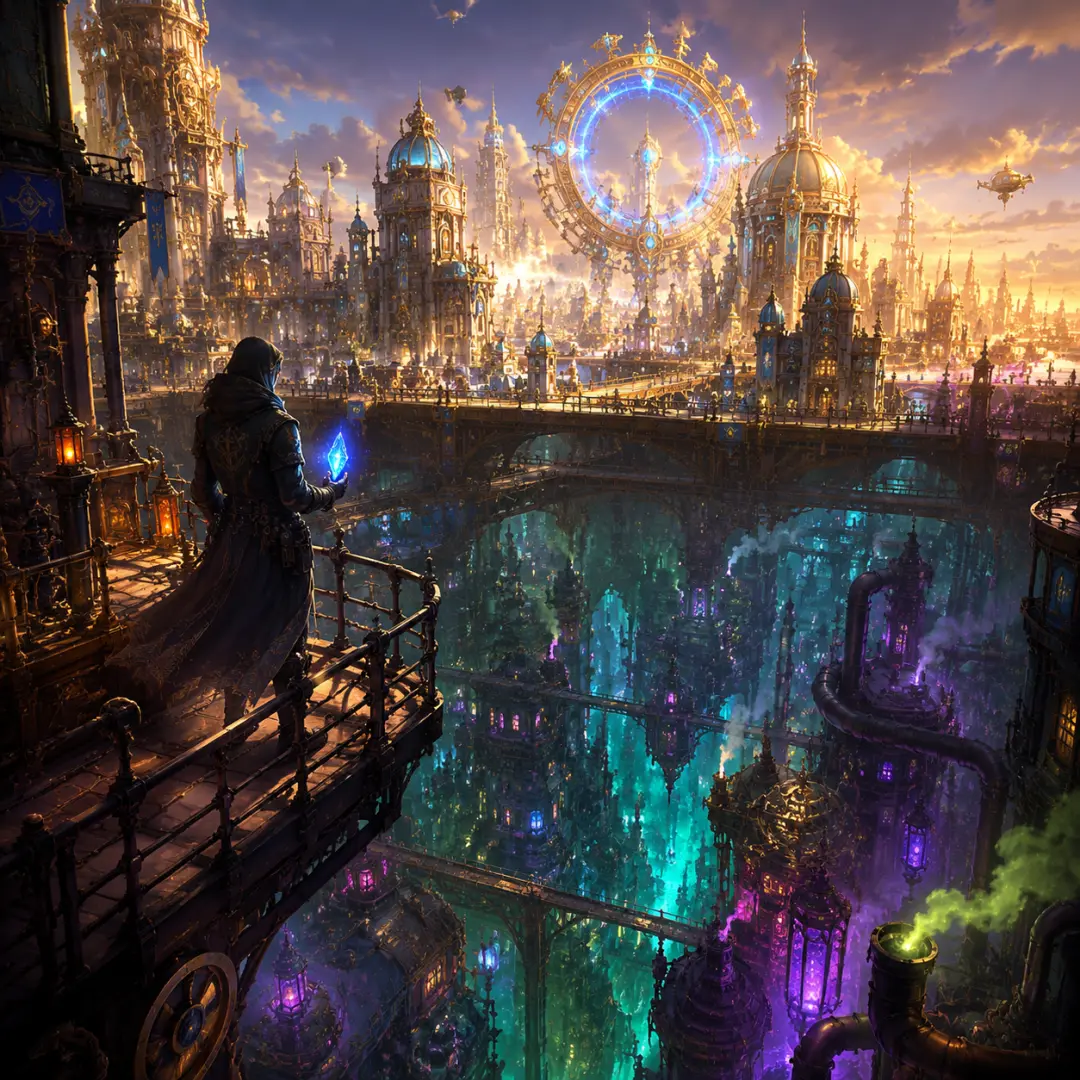
The best AI fantasy MOBA key visual generator: create splash-art posters for MOBA-style worlds with GPT Image 2 and Krea 2. Proven on the League of Legends: World of Runeterra world with four real published key visuals.
Create Fantasy MOBA Key Visuals in Minutes
Turn one sentence about a city, a champion, or a cursed island into a banner-ready MOBA key visual — no concept team, no asset hunt.
What Is a Fantasy MOBA Key Visual Generator?
A fantasy MOBA key visual generator is a text-to-image pipeline that renders splash-art posters for MOBA-style worlds — the kind of frame that sells a champion, a city, or a season in a single image. On Neta Studio it works from a real world: the League of Legends: World of Runeterra seed supplies the canon, the visual style, and the palette, so every poster matches everything else built from the same atoms.
Why Key Visuals Matter for MOBA-Style Worlds
- Storefront power — a key visual is the first frame players see; it must sell the world in one second.
- On-canon consistency — world-grounded prompts keep every poster true to the seed.
- Two-model flexibility — detail-first GPT Image 2 and glow-first Krea 2 cover every art direction.
- Pipeline-ready — every output publishes as a shareable work of the same world.
A key visual is rarely the end — it is the storefront. The same Runeterra world that produced these posters can produce a playable game, an animated opening, or a lore archive. Generate the poster first, then build the world behind it.
How It Works on Neta Studio
Fork the world, open the studio board, and generate from the world seed. Every atom — champion, location, event, faction, rule — carries structured canon that the models inherit, so prompts stay grounded without you re-writing lore. Outputs publish as works of the same world, which keeps the explore surface, the SEO pages, and future remixes all consistent.
- World seed — one sentence becomes 30 canon atoms with covers.
- Studio board — every atom is referenceable and rewritable.
- Two-model pipeline — same prompt, GPT Image 2 and Krea 2, both published.
- Works as branches — posters, games, videos, and assets from one source.
The Champion Storefront
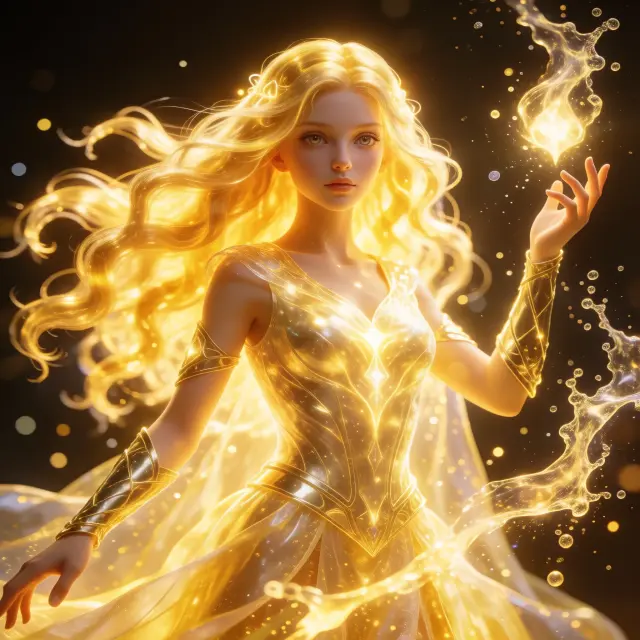
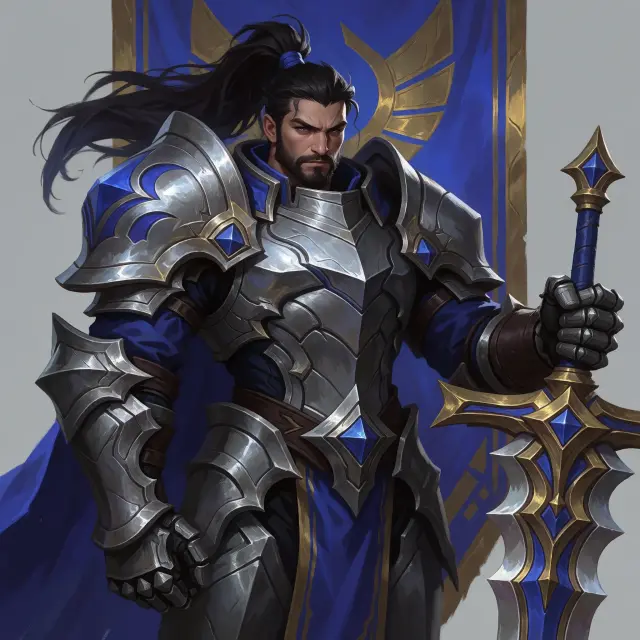
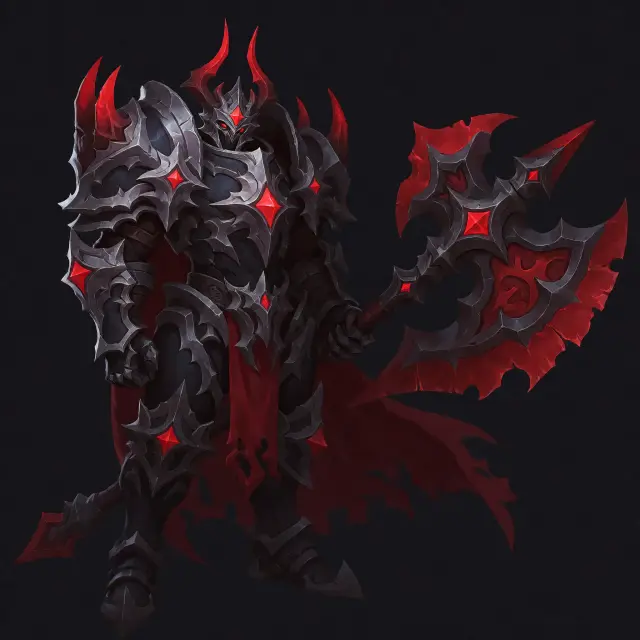
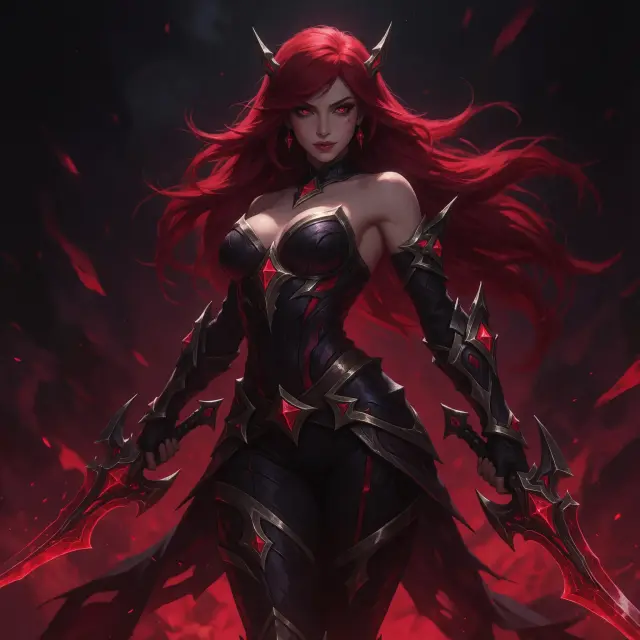
A MOBA world lives or dies on its champions. The Runeterra world ships eight — Lux the light mage, Garen the vanguard, Darius the Hand of Noxus, Katarina the assassin, Jinx the loose cannon, Vi the enforcer, Yasuo the unforgiven, and Thresh the chain warden — each with an epithet, a faction, abilities, and cover art that key visuals can inherit. Generate a champion poster first, then build the world behind it.
From Brief to Key Visual in Five Steps
Choose the scene
Pick the scene — the twin cities, the Shadow Isles, Demacia’s walls, Noxus Prime.
Cast the subject
Name the hero, the faction, and the moment — a hooded inventor between two worlds, a warden on a ruined shore.
Set the mood
State the light and palette — golden dusk vs teal neon, green mist vs black water.
Render both models
Run the same prompt through GPT Image 2 and Krea 2; the studio publishes both as works.
Iterate
Compare, re-prompt, or fork the world and start again — every poster is a fork point.
Real Outputs from a Real World
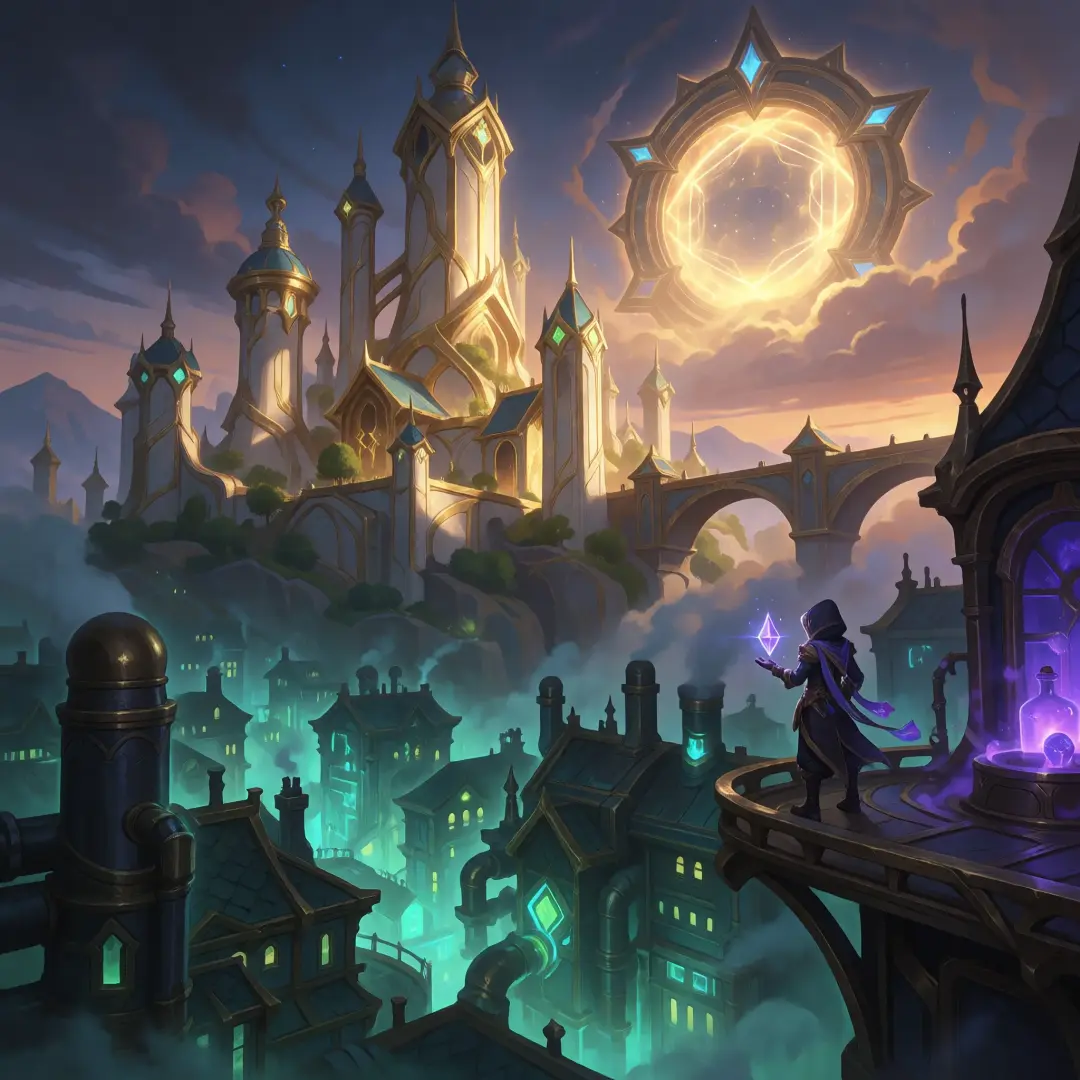
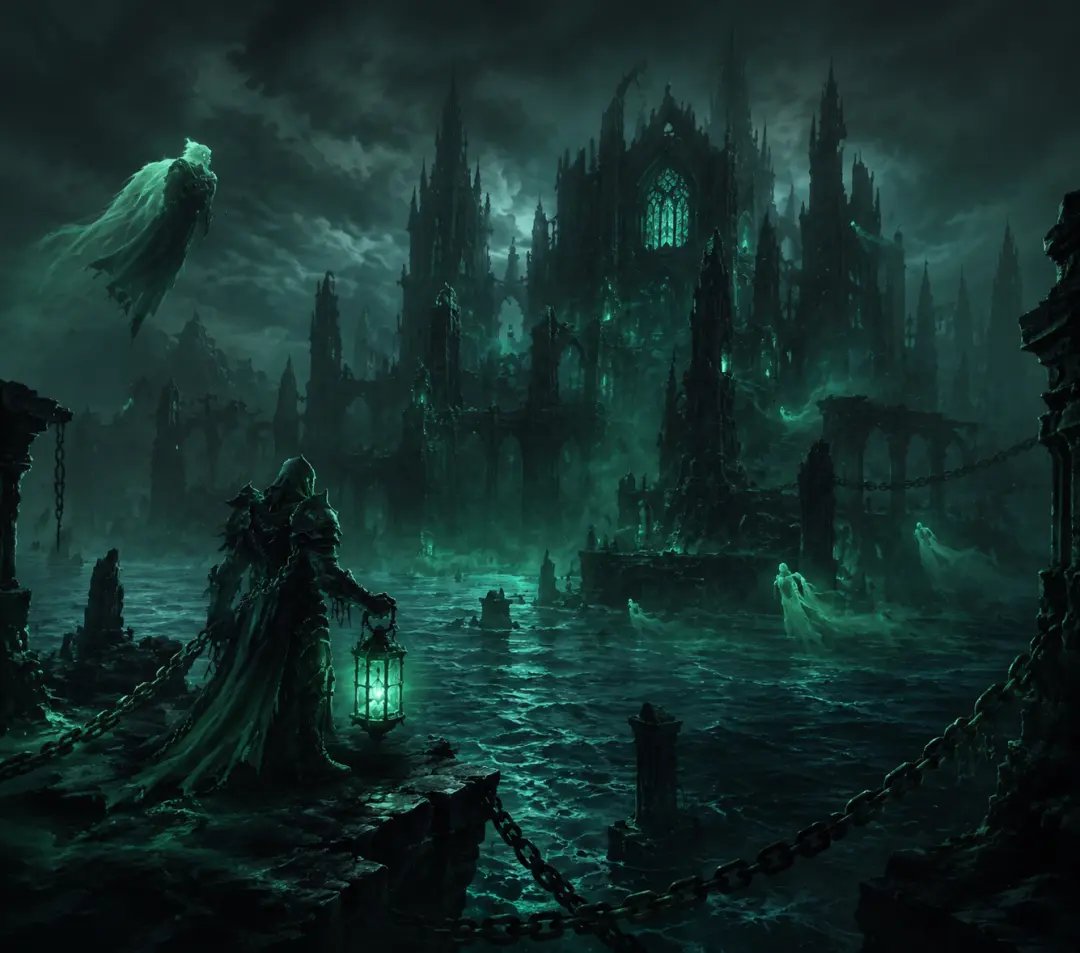
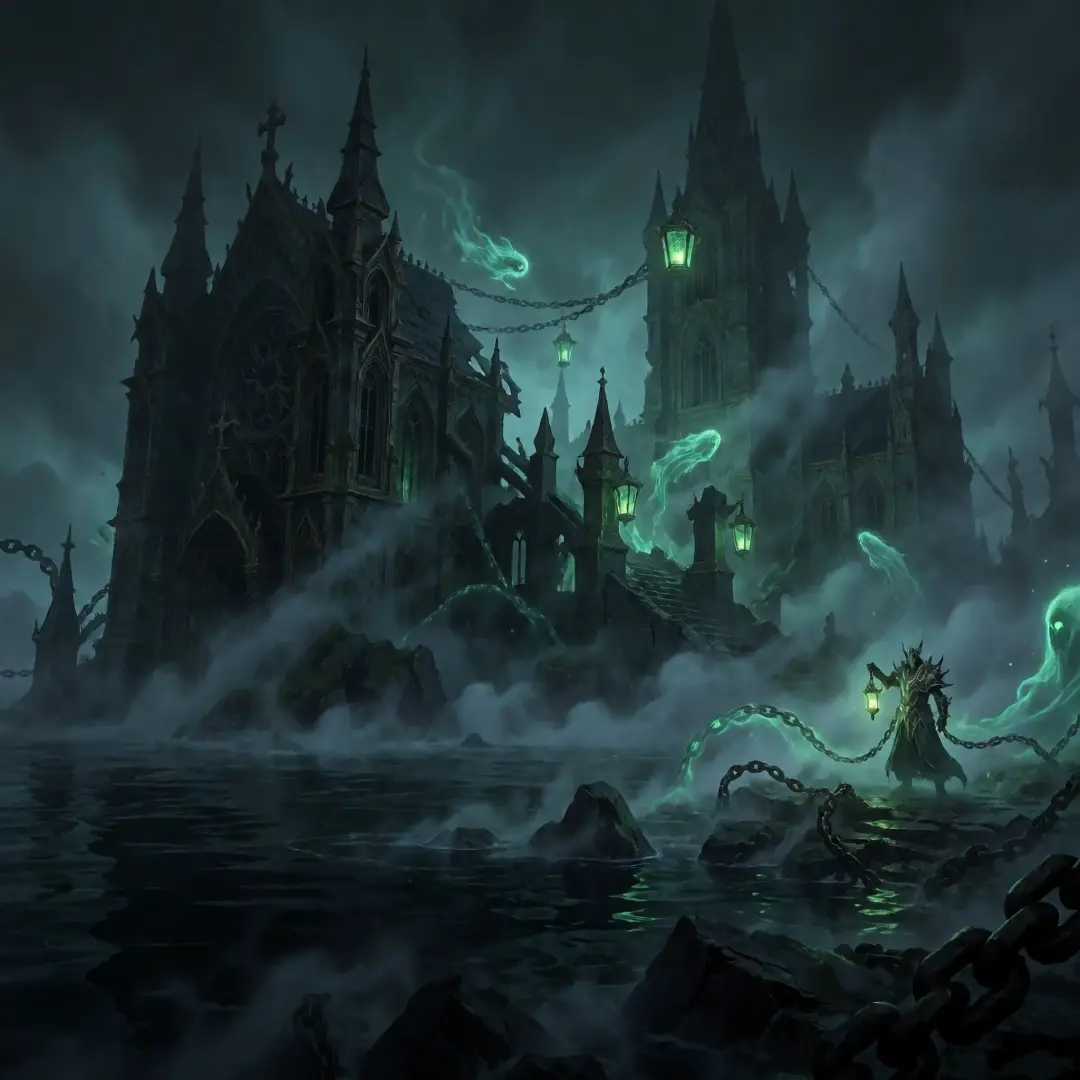
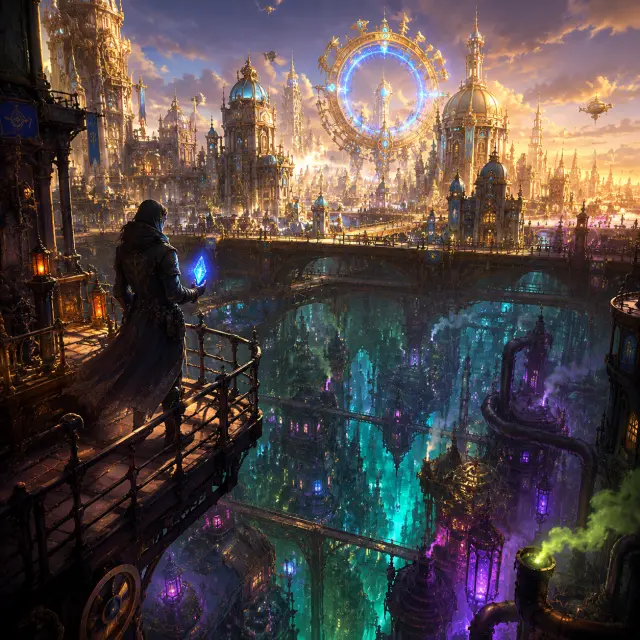
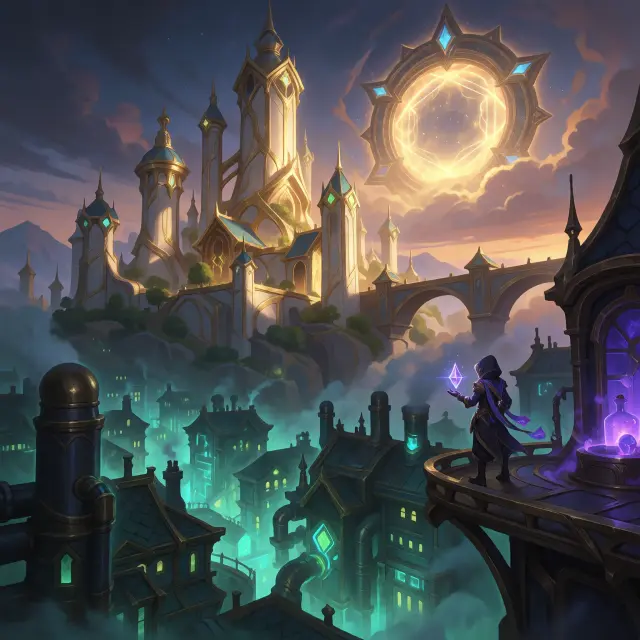
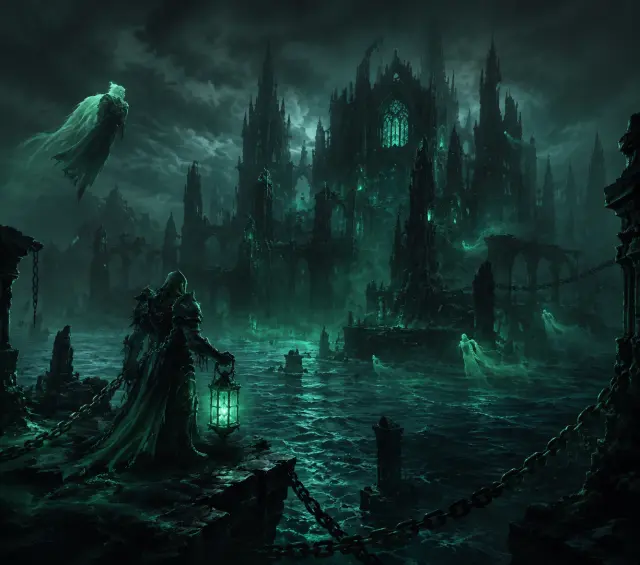
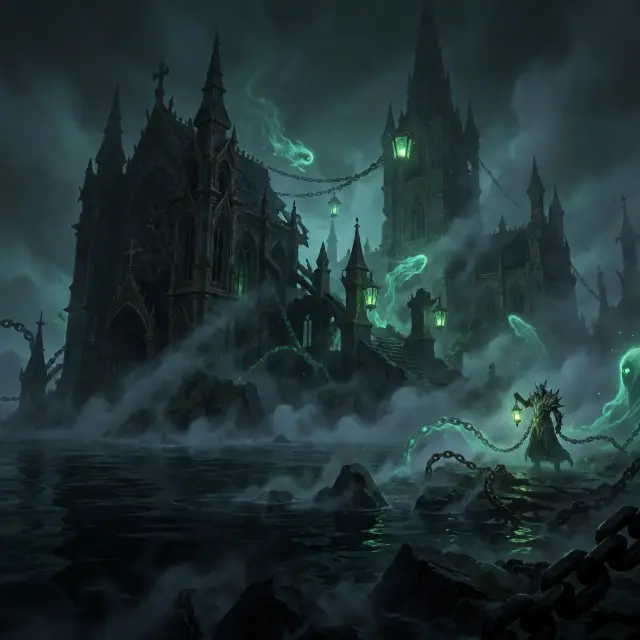
Four key visuals were generated from the League of Legends: World of Runeterra world — two scenes, two models, same prompts. Each pair shows how the same brief resolves differently: GPT Image 2 builds density and readable composition; Krea 2 builds glow and atmosphere.
GPT Image 2 vs Krea 2 — Which Should You Use?
GPT Image 2 for banner-ready detail: crisp costumes, readable architecture, cinematic dusk light, and strong composition control. Krea 2 for atmosphere: luminous glows, painterly skies, and elemental energy that feels alive. For a MOBA key visual, start with GPT Image 2, then run the same prompt through Krea 2 — the comparison is free and often becomes your best asset.
Prompts That Work
- Scene + subject + moment — “a lone hooded inventor on a catwalk between golden Piltover and neon Zaun, holding a glowing hextech crystal.”
- Element first — “a light mage of Demacia standing under petricite walls, golden light gathering in her hands.”
- Light drives the mood — “a chain warden on a ruined shore, green soul lanterns drifting in black mist.”
- Composition cue — “cinematic wide composition, gacha splash art, high detail.”
Beyond the Poster
The key visuals published from this world are works — but the world behind them keeps producing. Fork it to change the art direction, extend the canon, or generate a game that starts on the very catwalk the inventor stands on. The poster is the door; the world is the house.
Who Is It For?
Indie game studios who need MOBA-style banner art fast. Fantasy world-builders who want a consistent storefront for their nations and champions. Content creators who need title screens, covers, and lore-site heroes. And anyone who wants to see their world rendered at splash-art quality without a design team.
Limitations to Know
GPT Image 2 is slower than lightweight models and favors detail over dreaminess — if you want glowing, painterly atmosphere, pair it with Krea 2. Krea 2 is weak at legible text, so keep titles out of the frame or add them later. And keep champions consistent by always referencing the same world seed.
Frequently Asked Questions
- Do I need to know League of Legends lore? No — the world seed carries the canon; prompts can be as simple as “a neon undercity below a golden city.”
- Can I use my own world? Yes — write a one-sentence brief and Neta Studio builds the world; the key visual pipeline is identical.
- Which model should I pick? GPT Image 2 for detail and composition, Krea 2 for glow and atmosphere — run both and choose.
- Are the works remixable? Every published work belongs to the world and can be forked, re-prompted, or extended into games and videos.
Start Creating
Fork the League of Legends: World of Runeterra world or start from your own one-sentence brief. One prompt through two models, two posters published, one world that keeps producing.
Start Creating
Four posters in one session — rendered, published, and remixable.