The Best AI Pixel Merge Game Generator
Create merge-style puzzle games — combine tiles, build bars, economies.
Build Your Pixel Merge Game in One Sentence
Turn a single prompt into a complete merge economy — tiles, upgrades, currencies, and progression loops — ready to play and share.
Why Pixel Merge Games Work
Merge mechanics reward patience and strategy: every tap combines two tiles into something better, building toward rare items and milestone unlocks. The pixel aesthetic makes every sprite instantly readable — a level-one apple versus a golden pie — while keeping the visual load light enough for hundreds of tiles on screen. Players return because the loop is transparent: they see the path from common items to legendary rewards, and every merge feels like earned progress.
What Neta Studio Generates
- Item sprites and merge chains — every tier from starter tiles to legendary drops, with consistent pixel art style across the progression tree.
- Shop UI and inventory grids — drag-and-drop zones, currency displays, upgrade menus, and storage that expands as the player levels up.
- Economy tuning — coin earn rates, merge unlock thresholds, and IAP hooks balanced so free players progress steadily while spenders skip grinds.
- Thematic world boards — tavern counters, potion labs, sushi bars, blacksmith forges — each location art-directed to match the merge theme.
How It Works: One Sentence to Playable Game
Describe your merge theme
Write one sentence: the shop type, item categories, and progression hook — e.g. 'a pixel tea shop where you merge bubble tea ingredients into rare drinks and unlock franchise locations.'
Review the generated world board
Neta Studio builds the merge grid, item sprites, UI panels, and currency systems. You see the full economy layout: starter tiles, mid-tier combos, and endgame legendaries.
Iterate on balance and art
Regenerate specific item chains, adjust merge requirements, or swap the color palette. Every change applies across the entire game so the style stays cohesive.
Publish and share
Export the playable build or publish directly to Neta Studio. Players can fork your game, remix the economy, or reskin it for their own theme.
Example Prompts That Work
- Fantasy tavern — 'Create a pixel merge game where you run a dwarven tavern, combining ale mugs, roasted meat, and bread into legendary feasts that attract hero customers.'
- Sushi empire — 'Build a sushi restaurant merge game with rice, fish, and toppings that combine into premium rolls and unlock omakase menus.'
- Dungeon loot — 'Design a pixel merge game where adventurers drop common swords and armor that combine into epic gear and mythic artifacts.'
Real Games Built on Neta Studio
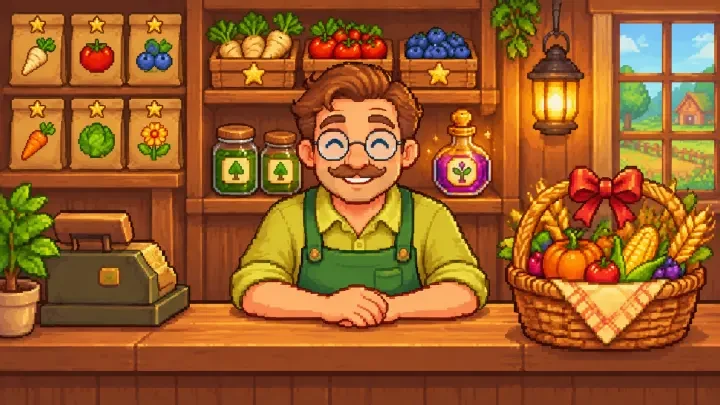
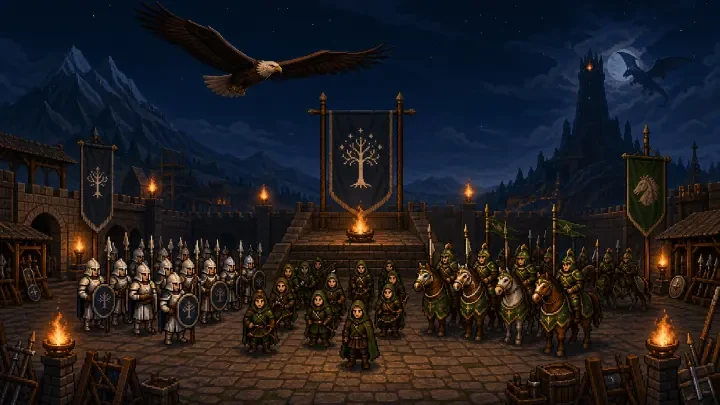
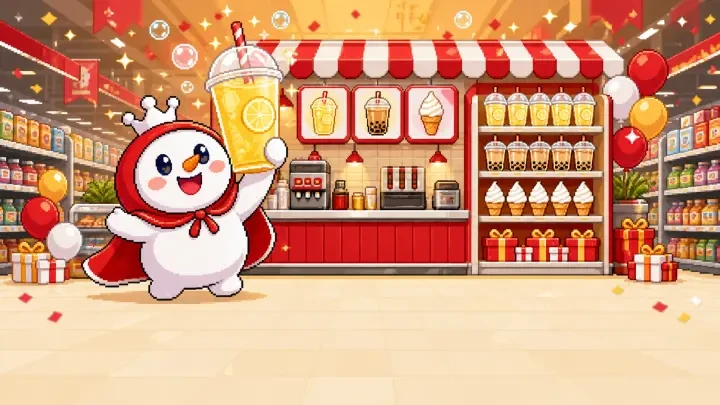
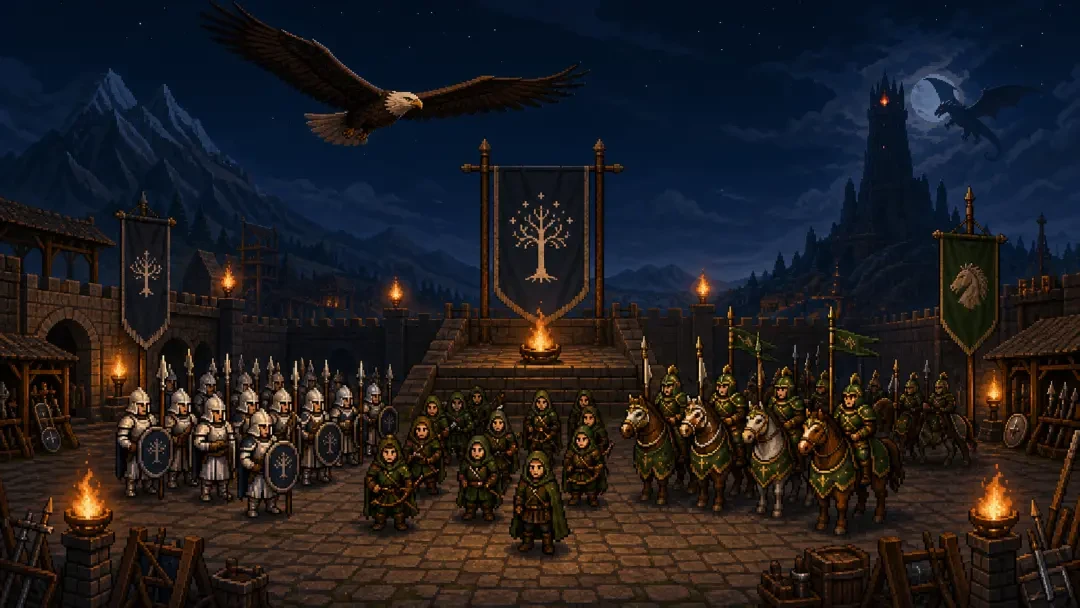
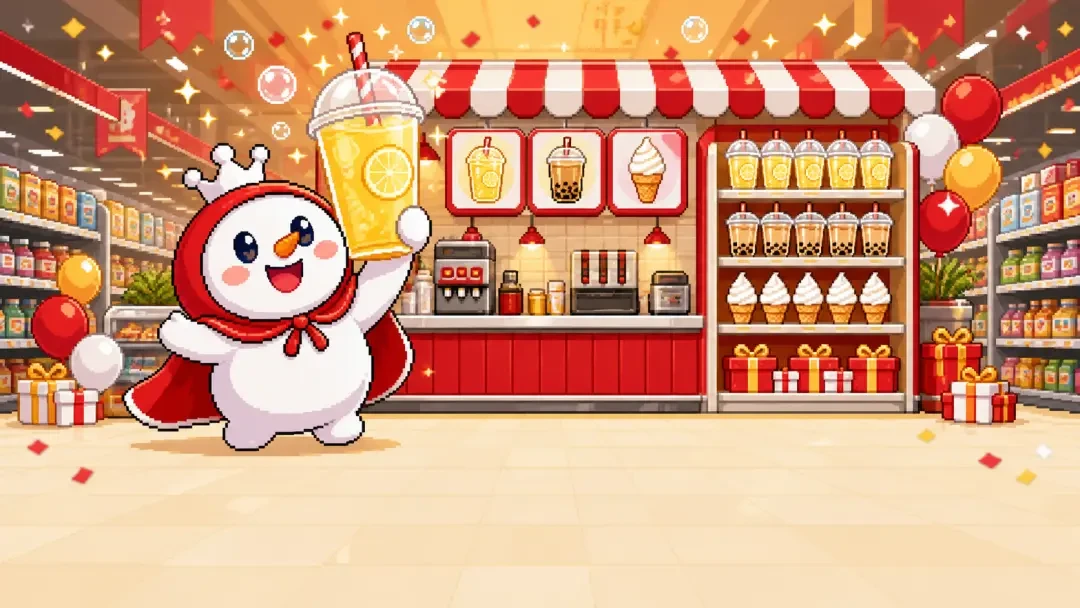
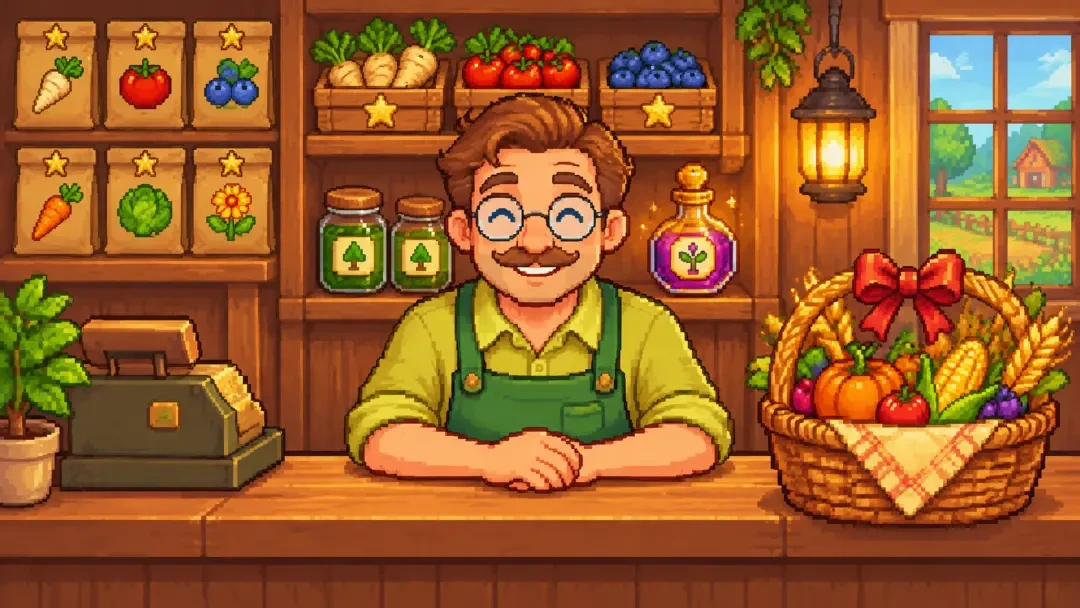
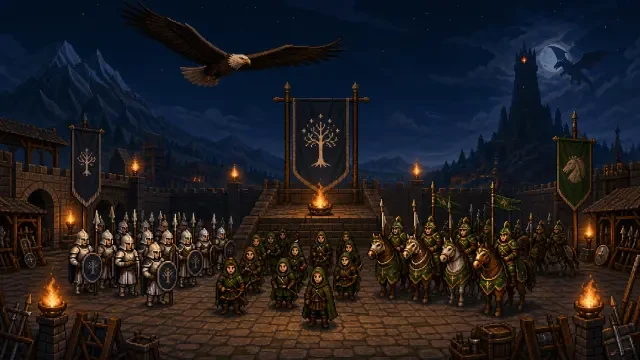
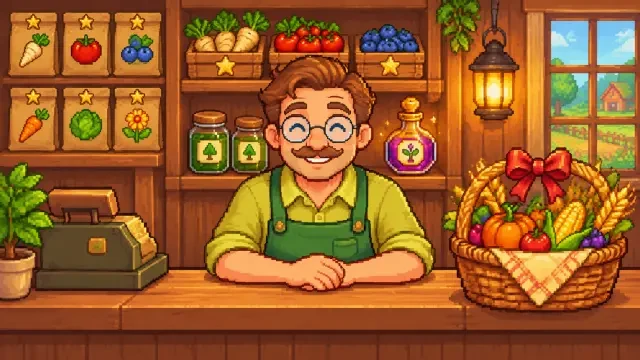
Start from Pixel Middle-earth Barracks — Merge Shop Game from 超市, where orc armor and elven blades combine into legendary Middle-earth weapons. Fork Merge Mixue Pixel Tea Shop — Build Your Bubble Tea Empire in the Supermarket World to see how ingredient chains scale into franchise economics. Or remix Pierre's Pelican Town General Store — Merge Shop Game from 超市, where farm goods and artisan products merge into Stardew-style community center bundles.
Neta Studio vs. Generic Game Builders
| Neta Studio | Generic Tools | |
|---|---|---|
| Input | One sentence prompt | Manual sprite sheets, JSON configs, economy spreadsheets |
| Art consistency | Unified pixel style across all tiers | Mismatched assets from multiple sources |
| Economy tuning | Generated merge chains with balanced unlock rates | Manual tuning per item, prone to runaway inflation |
| Iteration | Regenerate any chain or adjust globally | Rebuild sprites and reconfig merge trees from scratch |
Who This Is For
Indie developers who want to ship a merge game without hiring a pixel artist or balancing spreadsheets for weeks. Game designers prototyping new merge mechanics or testing theme variations. Hobbyists and students learning game economy design by seeing how item chains, currency sinks, and unlock gates fit together. Anyone who loves merge puzzles and wants to build their own around a favorite theme — coffee shops, fantasy forges, sci-fi labs, retro arcades.
Why One Sentence Is Enough
Merge games share a proven structure: starter tiles combine into mid-tier items, mid-tier items unlock rare drops, and rare drops feed endgame collections. The theme determines the art and narrative flavor — sushi versus swords, potions versus pastries — but the progression skeleton stays the same. Neta Studio knows this architecture, so you describe the theme and let the platform generate the item sprites, merge chains, and economy hooks that make the loop satisfying.
Iterate Without Rebuilding
Change the color palette and every sprite updates. Regenerate a single merge chain and the new items slot into the existing grid. Adjust the coin earn rate or unlock thresholds and the economy rebalances across all tiers. You never throw away the world board and start over — every iteration builds on the generated foundation, so you can test ten theme variations in the time it would take to hand-draw one item set.
Publish, Share, and Let Others Fork
When your merge game is ready, publish it to Neta Studio or export the playable build. Other creators can fork your game, swap the theme from medieval tavern to cyberpunk noodle bar, or remix the merge chains to create new progression paths. Every fork is a new starting point, so the original concept spreads and evolves across the community.
Start Creating Your Pixel Merge Game
The Merge Game Economy Layer
- Multi-tier unlock trees — merge bronze bars into silver, silver into gold, gold into rare artifacts.
- Coin sinks and purchase gates — buy starter items, expand your shop floor, hire NPCs.
- Progression loops — daily quests, customer orders, reputation systems that drive replayability.
- Inventory pressure — limited slots force strategic merging and smart space management.
From Barracks to Bubble Tea: Genre Flexibility
The World Board: Your Game's DNA
I started with "fantasy blacksmith merge game" and the world board came back with a full equipment tree, three NPC quest-givers, and a reputation system. I just changed the forge name to "Barracks" and added a Middle-earth flavor—then generated. The result was Pixel Middle-earth Barracks, playable in under ten minutes from idea to publish.
Iteration Without Starting Over
Why Designers Choose This Over Generic Builders
| Neta Studio Pixel Merge Generator | Generic Game Builders |
|---|---|
| One-sentence brief → full game | Drag-drop templates, manual logic wiring |
| AI-generated pixel art, items, NPCs, quests | Asset packs, limited customization |
| Editable world board for creative control | Locked templates or code-level edits |
| Iterate components without full rebuilds | Change one thing, break three others |
| Publish & share with fork-friendly links | Export files, host elsewhere |
For Creators Who Want Control Without Code
What Makes a Good Merge Game Brief
- Name your theme and core mechanic — "medieval alchemy lab where you merge potions" tells the AI genre, setting, and primary items.
- Mention your economy hook — "serve customers," "fulfill guild orders," or "unlock new recipe books" frames progression.
- Add a flavor detail — "cozy pixel art" or "dark dungeon aesthetic" guides the visual tone.
- Keep it to one or two sentences — the AI extrapolates the rest; overspecifying confuses it.
Frequently Asked Questions
Can I edit the merge chains after generation? +
Yes. The world board lists every item and merge path. Add new items, reorder tiers, or change unlock costs, then regenerate just the affected chains without losing your other work.
Do I own the pixel art and game code? +
You own everything you create on Neta Studio. Export, remix, publish commercially—no attribution required, though many creators share their works on the platform to let others fork and iterate.
Can I fork Pierre's Pelican Town General Store or the other featured games? +
If the creator published the work as fork-friendly, yes. Click Fork, adjust the world board (change the town theme, add new products, tweak NPC personalities), and generate your own version. Many top works are forkable starting points.
How long does generation take? +
Initial generation runs in 3–8 minutes depending on complexity. Regenerating individual components (items, dialogue, quests) after edits takes under a minute.
Do I need coding or game design experience? +
No. If you can describe your game in a sentence and review a structured outline (the world board), you can build here. The AI handles merge logic, balance, pixel art, and systems. You steer the creative direction.
Can I add custom NPCs or quest types not in the world board? +
Yes. Edit the world board to add new NPCs, quest templates, or special events, then regenerate. The AI integrates your additions into the existing game logic and art style.
Start Building Your Merge Game Today
Start Creating
Describe your merge game in one sentence and see it come to life.