Create Anime Lore Books with AI
Build interactive lore archives — world history, character relationship maps, faction guides. Clickable, explorable worldbuilding, not text dumps.

Turn Your World Into an Interactive Lore Book
Describe your setting in one sentence and get a clickable lore archive with timelines, faction guides and character relationship maps you can explore, share and fork.
What Is an AI Anime Lore Book?
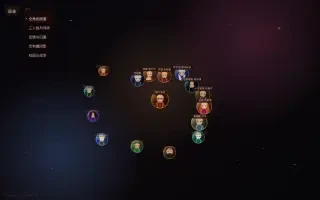
An AI anime lore book is a living, explorable archive of your world: its history, factions, characters and the threads that connect them. Instead of a long document nobody finishes, Neta Studio generates an interactive web app where readers click a character to see their allies and rivals, open a faction to read its creed, or scroll a timeline to watch an empire rise and fall. It is the world bible you always meant to write, shaped from a one-sentence brief and refined until it feels canon.
Why Static Wikis and Text Dumps Fall Short
Most worldbuilding ends up as scattered notes, bloated wiki pages or a chat log full of AI-generated paragraphs. The information is there, but the relationships are buried: who betrayed whom, which house controls which province, what happened before the story began. A lore book on Neta Studio puts structure first, so connections become visible, navigable and easy to update as your story grows. Your readers explore instead of skim, and your collaborators can see the whole world at a glance.
- Character relationship maps — clickable webs of alliances, rivalries, family ties and secret loyalties.
- World history timelines — eras, wars, coronations and catastrophes laid out in order.
- Faction guides — houses, guilds, clans and orders with goals, leaders, symbols and enemies.
- Location and region entries — cities, provinces and landmarks tied to the people who shape them.
- Glossaries and magic systems — rules, terms and artifacts explained in one consistent place.
Featured Lore Books to Start From
You do not have to begin from a blank page. Each of these works on Neta Studio shows a different way to structure lore, and every one can be opened, explored and forked as the starting point for your own world.
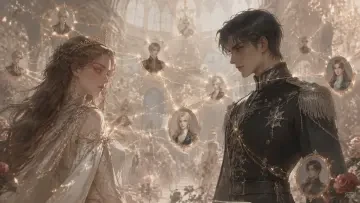
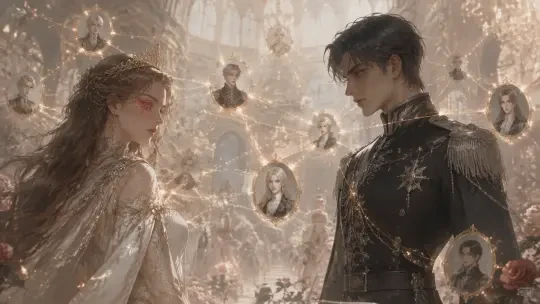
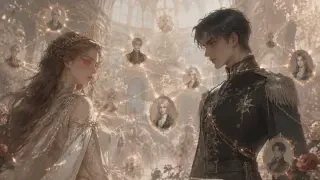
- Blood-Oath Golden Crown · Relationship Network — Interactive Character Web — a dark-fantasy court mapped as a living web of oaths, betrayals and ambitions. Fork it to build your own noble-house intrigue.
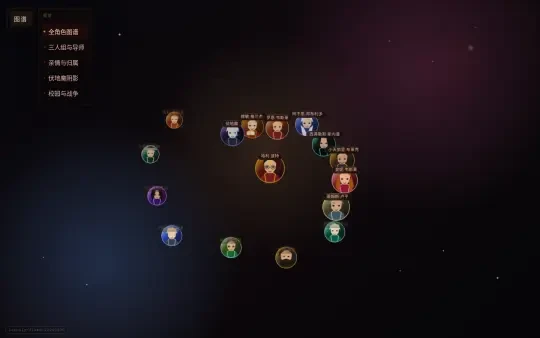
- Harry Potter — Character Network — a familiar cast turned into an explorable network, a strong reference for how a relationship map should read and click.
- Rome World Archive — The Bronze Eagle’s Rome Interactive World Bible — a full world bible with history, institutions and setting lore. Start from it when your project needs depth, not just a cast list.
How It Works on Neta Studio
Write a one-sentence brief
Describe your world: the setting, the central conflict and the kind of lore book you want, such as a relationship web, faction guide or full world bible.
Shape the world board
Neta Studio turns your brief into a world board of characters, factions, locations and key events. Rename, add or cut entries before anything is generated.
Generate the interactive archive
Get a clickable lore book with linked entries, relationship maps and timelines, styled to match your world’s tone, from imperial Rome to a cursed golden crown.
Iterate on the details
Ask for a new faction, a deeper backstory, a rewritten era or a betrayal that reshapes the map. Each change keeps the connections consistent.
Publish, share or fork
Publish your lore book with a link for readers and collaborators, or let others fork it, the same way you can fork Blood-Oath Golden Crown · Relationship Network or Rome World Archive.
Example Prompts for Anime Lore Books
- Court intrigue web — “A relationship network for a crumbling kingdom where every heir has sworn a blood oath to a different rival house.”
- Academy world bible — “A lore archive for a sky-island magic academy: four dormitories, their founders, banned spells and a timeline of student uprisings.”
- Historical archive — “An interactive world bible for an alternate Rome guided by a bronze eagle oracle, with senate factions, legions and provinces.”
- Mecha faction guide — “A faction guide for three orbital colonies at war, with pilots, commanders, mech lineages and every broken treaty.”
- Fandom character map — “A character network for my original shōnen series showing mentors, rivals, siblings and secret allegiances.”
Neta Studio vs Generic AI Tools for Worldbuilding
| What you need | Generic AI chat / doc tools | Neta Studio |
|---|---|---|
| Output format | Long blocks of text | Clickable, explorable lore archive |
| Character relationships | Described in prose, easy to lose | Interactive relationship web |
| Consistency across entries | Drifts as the chat grows | Anchored to one world board |
| Visual style | Plain text or generic templates | Themed to your world’s tone and era |
| Sharing and remixing | Copy-paste into another app | Publish with a link, let others fork |
Who Anime Lore Books Are For
Lore books on Neta Studio are built for visual novel writers who need a reliable canon before scripting routes, TTRPG game masters who want players to explore the setting between sessions, fanfic and fandom creators mapping casts like Harry Potter — Character Network, and original-IP creators pitching a world with the depth of Rome World Archive. If your story has more characters than you can keep in your head, or a history that matters to the plot, a clickable lore archive keeps everything connected and ready to share.
Inside an Interactive Lore Book: The Core Modules
A Neta Studio lore book is a set of connected modules that point to each other, not one long scroll of text. Click a character and you land on their allegiances. Click a faction and you see its history and rivals. Click an era and the relevant events, places, and people come up together. Each module answers a question a fan or a co-writer would actually ask.
- Character relationship web: a clickable network of bonds, betrayals, oaths, and rivalries, like the one in Blood-Oath Golden Crown · Relationship Network — Interactive Character Web.
- World history timeline: eras, wars, coronations, and turning points in order, so readers can see cause and effect.
- Faction guides: houses, guilds, legions, and secret orders, each with goals, leaders, territory, and enemies.
- Location entries: cities, provinces, and landmarks tied back to the characters and events that shaped them.
- Cross-links everywhere: every name, place, and term leads somewhere else, so the archive works as a world to explore.
A Closer Look at the Featured Lore Archives
Each featured work shows a different way to organize a world. Harry Potter — Character Network maps a huge ensemble cast as a navigable web. Blood-Oath Golden Crown · Relationship Network — Interactive Character Web shows how oaths and power struggles become visual links between characters. Rome World Archive — The Bronze Eagle’s Rome Interactive World Bible | AI Web App by Neta Studio expands the idea into a full world bible with history, places, and factions. Open any of them to see the structure, then fork the one closest to your setting.

From One-Sentence Brief to Explorable Archive
Start with a single sentence describing your world. Neta Studio expands it into a world board: the key characters, factions, eras, and locations, laid out so you can edit them before anything is built. When the board looks right, generate the lore book. Then refine one section at a time. Add a forgotten rival house, rewrite an era, or redraw a relationship without touching the rest. When it's ready, publish it as a shareable web app that others can read, explore, and fork.
“A fallen empire where five noble houses swore blood-oaths to a golden crown. Build me a lore archive with a clickable relationship map, a timeline of the three succession wars, and a guide to each house’s banners, leaders, and secret grudges.”
A brief like this is enough to get a structured world board. From there you shape the details instead of writing every entry by hand.
Fork, Remix, and Extend Existing Worlds
You don't have to start from a blank page. Fork Harry Potter — Character Network to learn how a big cast is organized, then swap in your own characters. Remix Blood-Oath Golden Crown · Relationship Network — Interactive Character Web to map the court politics of an original story. Use Rome World Archive — The Bronze Eagle’s Rome Interactive World Bible as the skeleton for a historical-fantasy setting with its own eras and factions. Forking keeps the layout that already works, so you can spend your time on what makes your world different.
Interactive Lore Book vs Static Wiki vs Chat Transcript
| Feature | Neta Studio Lore Book | Static Wiki | AI Chat Transcript |
|---|---|---|---|
| Relationship maps | Clickable, visual web | Manual lists | Buried in text |
| Setup effort | One-sentence brief to world board | Page-by-page writing | Endless prompting |
| Navigation | Cross-linked modules | Links you maintain by hand | Scroll and search |
| Iteration | Refine single sections | Edit every affected page | Regenerate and hope |
| Sharing | Publish, share, and fork | Hosting required | Copy-paste only |
Tips for Building Lore That Readers Actually Explore
- Lead with conflict: name the rivalries and broken oaths in your brief. Tension is what makes readers click the next link.
- Anchor history in people: tie every era on the timeline to characters, the way Rome World Archive connects events to the figures behind them.
- Keep factions distinct: give each house or order a clear goal, symbol, and enemy so the guide doesn't blur together.
- Grow the web gradually: start with a core cast, then add side characters once the main relationships feel solid.
- Leave mysteries: an unexplained grudge or a sealed archive entry gives fans a reason to come back.
Publishing, Sharing, and Keeping Your Canon Consistent
When your lore book is published, it works as a living reference for your story. Share the link with your writing group, your fan community, or your art collaborators so everyone uses the same canon. As the story grows, go back and update one module at a time: a new character, a new war, a new alliance. Your archive keeps pace with the plot, and other creators can fork it to write side stories in your world.
Frequently Asked Questions
Do I need coding skills to build a lore book? +
No. You describe your world in a sentence, edit the world board, and Neta Studio generates the interactive archive. You refine it in plain language.
Can I start from an existing lore book? +
Yes. Fork Harry Potter — Character Network, Blood-Oath Golden Crown · Relationship Network — Interactive Character Web, or Rome World Archive — The Bronze Eagle’s Rome Interactive World Bible and reshape it into your own setting.
What can a lore book include? +
Character relationship maps, world history timelines, faction guides, location entries, and cross-links between all of them. Together they make an explorable world rather than a block of text.
Can I change one part without rebuilding everything? +
Yes. You can refine individual sections, such as one faction, one era, or one relationship, and the rest of your archive stays as it is.
How do I share my lore book? +
Publish it on Neta Studio and share the link. Readers can explore it in the browser, and other creators can fork it to build on your world.
Start Creating
Turn a one-sentence idea into a clickable lore archive with relationship webs, timelines, and faction guides your readers will want to explore.