
Wuthering Waves AI Character Art — Build Resonators That Stay On-Model
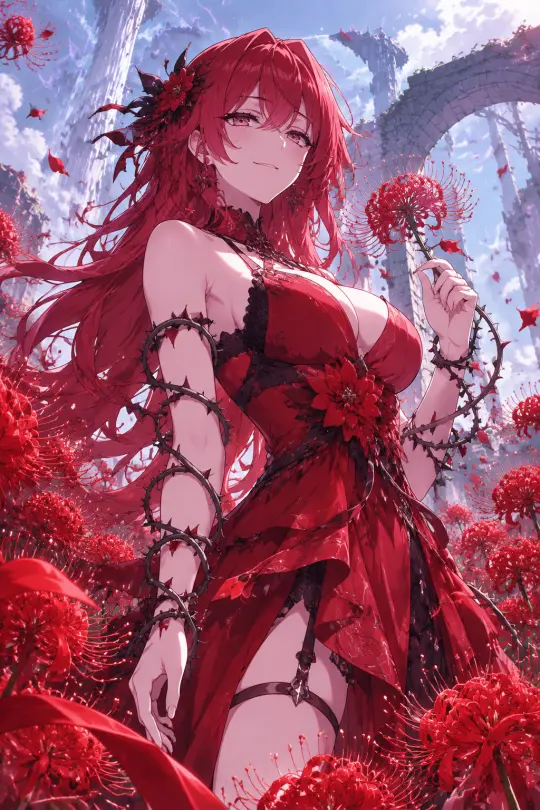
Create Wuthering Waves character art with AI: Resonator key visuals, Echo-loaded portraits and faction posters that keep their identity across every generation, built from a world with 24 atoms.
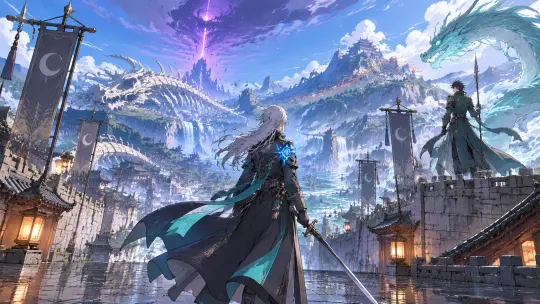
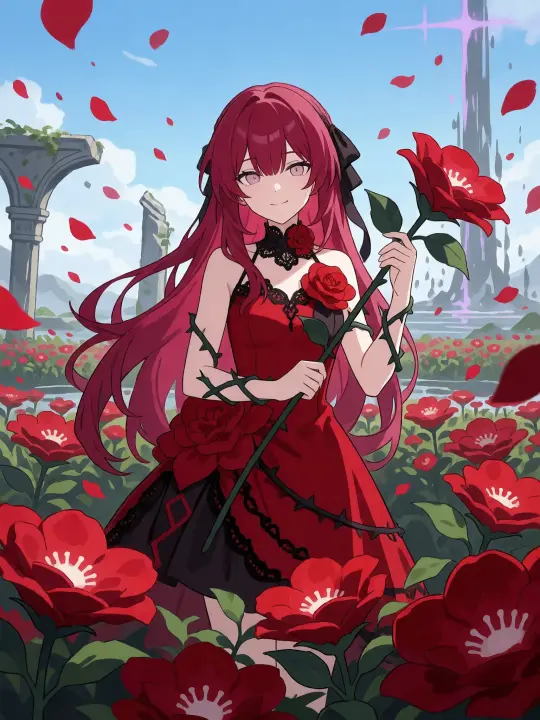
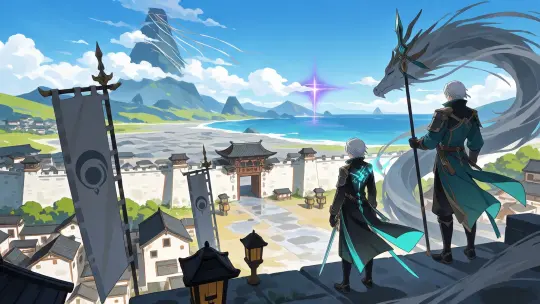
Create a Resonator That Looks Like They Paid for Their Power
Describe your Resonator in one sentence and get character key visuals, Echo-loaded portraits and faction posters built around their own cost, palette and debt.
What Wuthering Waves AI Character Art Actually Is
Wuthering Waves character art is not generic anime portraiture. It is a portrait of a debt. Every Resonator in the world fights with an Echo taken from a fallen Tacet Discord, which means their design has to show three things at once: the power they borrowed, the thing it came from, and the price they are already paying for it. Get those three into one frame and the character reads as native to Solaris-3. Miss them and you have a pretty stranger in a nice coat.
- Resonator key visuals — vertical hero portraits for a character page, a banner or a poster.
- Echo-loaded portraits — the power visible as light, a familiar, a weapon or a scar.
- Faction posters — Black Shores, Fractsidus, Midnight Rangers and the Order each have a palette and a camera.
- Scene stills — a character inside a Tacet Field, a canal city or a walled gate, not floating on white.
Why Your Resonator Deserves Real Design
A character sheet is where a world proves it has rules. If a viewer can look at two Resonators and tell which faction they belong to, which Echo they borrowed and what it is costing them, the world is working. If every character is a different shade of generic anime, the world is a mood board. Wuthering Waves gives you an unusually strong starting point: teal means borrowed power, crimson means the Crimson Bloom, crescent banners mean the frontier, violet in the sky means the Lament is close. Use them.
Start From a Featured Work
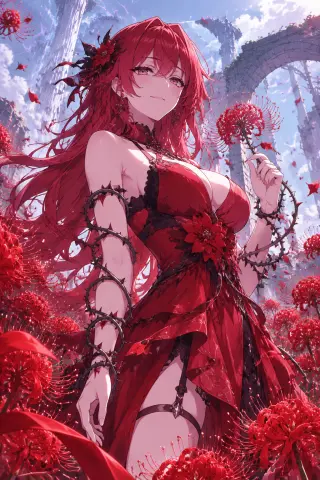
- The Crimson Bloom — GPT Image 2: the detail-first Resonator poster. Lace, thorn anatomy, petal density and a broken arch behind the figure. Fork it when you need texture and staging.
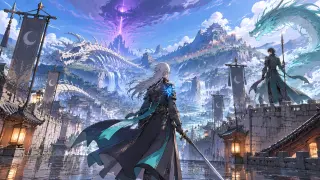
- Solaris-3 — GPT Image 2: the world key visual. Fork it when you need a character placed in the planet rather than in a void.
- The Crimson Bloom — Krea 2: the graphic poster. Fork it when you need a silhouette that survives a thumbnail, a sticker or a phone icon.
How It Works in Neta Studio
Write a one-sentence brief
Name the character, the Echo, the cost and the place. Example: “a silver-haired traveler at a rain-slick gate, a blade humming with an Echo no archive can name.”
Review your world board
Neta Studio turns the brief into a world board with characters, faction palette, setting and typography direction, so the Resonator belongs to Solaris-3 before anything is rendered.
Generate the key visual
Render a vertical hero portrait, a wide scene still or both. Lock the faction palette first, then push the pose.
Iterate on the Echo
Change the familiar, the light colour, the amount of contamination. Every iteration stays consistent with the world board, so the character does not drift.
Publish, share or fork
Export the frame, share it with collaborators, or publish it so another creator can fork the world and answer the same brief differently.
Example Prompts for Resonator Key Art
- Frontier defender: “A general in a teal-streaked military coat on a stone rampart at dusk, a wind dragon coiling behind him, crescent banners snapping, a violet rift far over the bay.”
- Bloom-keeper: “A crimson-haired woman in a red floral dress with black lace, thorned vines on her forearms, one black-thorned stem held loosely, a sealed garden of oversized red funeral flowers behind her.”
- Island listener: “A tide-formed guardian in a flowing white-and-black gown on a black basalt observatory, sea-foam hair, white domes and a glowing shore behind her, instruments humming in the dark.”
- Fractsidus heretic: “A masked operative in a crimson-lined black coat in a flooded canal plaza, a blade of red static screaming through the air, festival masks floating on green water.”
Neta Studio vs Generic Anime Art Generators
| Dimension | Generic generator | Neta Studio world |
|---|---|---|
| Consistency | Re-roll until it looks right | Locked world board, faction palette and atom cards |
| Lore | Whatever the prompt remembers | 24 atoms: characters, locations, events, factions |
| Comparison | One model, no baseline | GPT Image 2 vs Krea 2 on an identical brief |
| Reuse | Download and lose the context | Publish the work with its world and brief attached |
Who Wuthering Waves Character Art Is For
Fan artists who want a Resonator to look like they belong to Solaris-3 instead of a generic fantasy. Tabletop and roleplay groups building a cast around a shared catastrophe. Writers who need a face for a character before the first chapter. Poster makers who want a vertical hero frame that survives a phone screen. And anyone comparing models: the four published works on this page are the same brief rendered twice, so the difference you see is the model.
Tips for Resonators That Keep Their Identity
Put the cost in the frame. A Resonator with no visible debt reads as a cosplayer. Give them one piece of contamination — a vine, a scar of light, a familiar that should not be loyal — and the character becomes native. Then keep the silhouette stable across generations: the coat, the hair shape, the weapon line. Detail can change; the read at thumbnail size cannot.
Anatomy of a Strong Character Key Visual
A strong Resonator poster does three jobs in a second: it establishes the faction, it shows the Echo, and it implies the price. Generic anime portraits do one job — they show a face. The difference is entirely in what surrounds the character.
- Faction read — teal for the frontier, crimson for the Bloom, black basalt and white domes for the Black Shores, white-and-gold for the Order.
- Echo read — a wind dragon, a loong of light, a blade of red static, a tide given form. One clear familiar beats five effects.
- Cost read — thorned vines, contamination light, a sealed garden, a drowned oath. The price is the character.
- Scale read — put a person against architecture: a wall, a cathedral, a broken arch, an observatory dome.
Turning the Featured Works Into Your Own Cast
You do not have to start from a blank canvas. The Crimson Bloom already carries a complete visual identity: crimson palette, floral motif, thorned contamination, a sealed garden. Fork it, swap the hair and the Echo, and you have a new Resonator who belongs to the same field. The Solaris-3 world key visual gives you the opposite move: drop your character into a finished planet and let the gate, the banners and the rift do the worldbuilding.
Writing a One-Sentence Brief That Lands
“A [faction] Resonator with [hair and silhouette] in [garment], carrying [Echo] at [body part], standing in [location] where [wrong-physics detail] is happening, lit by [light source], no text, no watermark.”
Resonance Board vs Stock Character Sheet
| Stock character sheet | Resonance board | |
|---|---|---|
| Speed | Instant | One sentence, then instant |
| Belonging | Fits every world, native to none | Native to Solaris-3 by construction |
| Iteration | Start over each time | Edit one atom, keep the rest |
| Credit | Yours alone | Yours, forkable, with the brief attached |
A stock sheet gives you a pose. A resonance board gives you a place in the world, a faction, an Echo and a debt. The second one is why the character can appear in a second image, a third scene and a different model without becoming someone else.
Iterating Until the Echo Feels Right
Your first generation is a draft, not a final answer. Push the Echo further until the power is legible at thumbnail size, then pull the contamination back until the face still reads as a person. Change one thing at a time: the familiar, the light colour, the pose, the amount of vine. Because the world board is locked, every change stays inside Solaris-3 instead of drifting into a different game.
Keeping a Cast Consistent Across a Series
- Lock the world board — reuse the same faction palette and location grammar for every character in the cast.
- Write the Echo down — one familiar per Resonator, described the same way every time.
- Keep the cost visible — the same class of contamination, escalating as the story does.
- Compare models early — render the lead twice, GPT Image 2 and Krea 2, and pick the renderer that suits the series.
Publish, Share, and Let Others Fork
Once a Resonator feels finished, publish the work to Neta Studio and share the frame. Publishing also lets collaborators fork the world, keep your characters, and generate their own cast against the same atoms — which is how a single key visual turns into a setting other people can build in.
Wuthering Waves Character Art FAQ
Do I need to know the game to use this world?
No. The world ships with 24 atoms and four laws of resonance, so the brief explains itself. Knowing the game helps you pick a faction, but the rules are on the page.
Can I use my own character?
Yes. Fork the world, write a new atom card for your Resonator, and generate. The faction palette and the laws of resonance keep the character native.
Which model should I use?
GPT Image 2 for detail, lace, petal anatomy and staging; Krea 2 for flat graphic silhouettes and thumbnails. Both are on this page with the same brief.
Start Creating
Give your Resonator a faction, an Echo and a price — then render the frame only you would choose.