Describe the Outfit: Words That Actually Render

“Cute outfit” renders nothing. A layer-by-layer method for describing clothes — garment, fabric, fastening, wear — so an image model draws the one you meant.

Why outfit descriptions fail
Ask for “a cute outfit” and you get the average of every outfit in the training data. Ask for “a cropped wool jacket in oxblood, double-breasted, with brass buttons and a collar that stands up at the back” and you get a jacket. The difference is not poetry; it is the presence of decisions. Image models do not infer taste from an adjective — they render nouns, materials and construction details.
So the useful method is dull and it works: describe the outfit in layers, from the body outward, and make one decision in each layer. Base layer, middle layer, outer layer, footwear, then accessories. For each one, name the garment, the fabric, the fastening and the state of wear. That is four facts per layer, and four layers is usually enough for a full figure. Anything you leave out gets invented by the model, which is fine until it invents something you hate.
| This page | A method for writing clothing descriptions that render as intended |
| Order | Base layer → middle → outer → footwear → accessories |
| Per layer | Garment, fabric, fastening, wear |
| The rule | One decision per layer; leave nothing important to inference |
Dress the character, layer by layer
The character-sheet skill writes the outfit into a file you can reuse, and the portrait maker renders it. Give it the layers, not the vibe, and the second generation will match the first.
The four facts every layer needs
These four are the minimum for a garment to survive being drawn from an angle you did not specify. Skip one and the model fills it with a default: a plain collar, a flat fabric, an invisible fastening, a garment that looks new.
- Garment — The noun and the cut. “Trench coat, knee-length, belted” is already more specific than “long coat”.
- Fabric — Wool, waxed canvas, silk, jersey, leather. Fabric decides how light sits on the body, which is most of what makes an image look drawn rather than generated.
- Fastening — Buttons, a zip, toggles, laces, a wrap. This is the detail that makes an outfit readable at a glance and is almost always left out.
- Wear — Creased, pressed, frayed at the cuff, rain-darkened at the shoulders. Wear is where character lives, and it costs nothing to specify.
What the tools here actually render
Clothing descriptions are only worth writing if something downstream uses them. These are the live tool pages on Neta Studio, with their capabilities taken from the pages themselves.
- AI Anime Avatar / Portrait Maker — bust shots, expression sheets, chibi and distinctive line art from one description. Best for upper-body detail: collars, scarves, jewellery, hair against fabric.
- AI Visual Novel Character Maker — sprites, personalities and routes that become a playable visual novel. Best for a full-figure outfit you intend to reuse across scenes.
Neither one reproduces an existing brand’s garment or official character costume. They render an original design from your words, which is why the words have to carry the construction: nobody is going to fill in your collar for you.
The one-anchor rule
A description with fifteen details produces a busy image with no focal point. A description with one anchor and four supporting facts produces a character. The anchor is the thing you would recognise in silhouette from across a room: a coat that stands up at the collar, a scarf with a pattern, boots that are clearly too big. Write the anchor first, then build every layer around it, then cut anything that does not either support the anchor or establish the silhouette. This is also how costume design works in animation: one readable shape, then detail that rewards a closer look.


Outfits that carry a character
These are real works on Neta Studio where the clothing is doing narrative work rather than decoration.


One motif, repeated
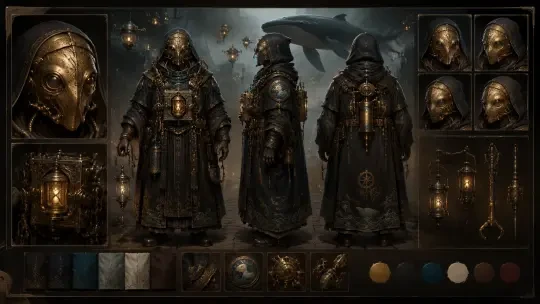
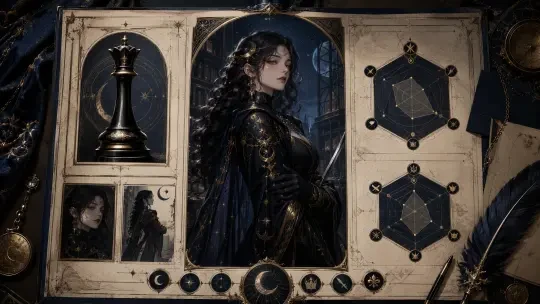
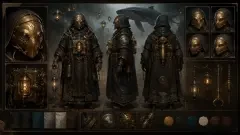
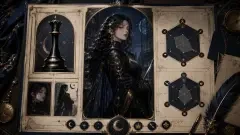
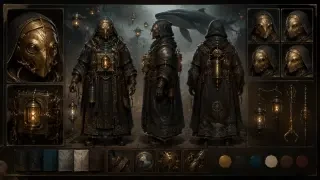
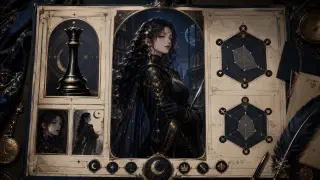
Character Design Sheet / Turnaround Views shows the design-sheet approach: the same outfit from four angles, every fastening visible. Character Profile Card keeps the clothing beside the biography, which is where it belongs.
Or an outfit that sets the era
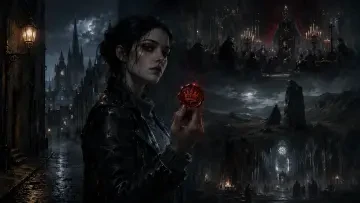
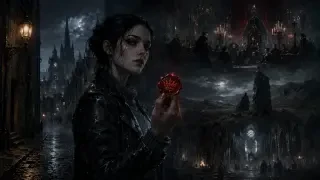
After the Nocturne uses a single visual motif per character, and Night Over the Isles lets coats and collars do the genre work before anyone speaks.
From vague idea to a renderable description
Name the anchor first
One thing a stranger would notice from across the street. Everything else in the description exists to support it.
Write four layers, four facts each
Base, middle, outer, footwear. Garment, fabric, fastening, wear. If a layer has no decision in it, cut the layer.
Add light last
“Rain-darkened shoulders”, “sun-bleached at the back” — light is a clothing detail, and it is the cheapest way to make an image feel observed.
The cast, briefly






Write the coat, then draw the person
Start with the anchor garment and build outward. The portrait maker handles the face and upper body; the visual novel character maker keeps the outfit consistent when you put the character in a story.
Built with the character-sheet skill
character-sheet stores the outfit as layers — garment, fabric, fastening, wear — so the description can be reused without drifting between images. roleplay keeps the clothing in the scene: what a character does with a sleeve or a collar is characterization, not set dressing.
Outfit description FAQ
Why does my outfit prompt keep producing generic clothes?
Because it is describing a mood rather than a garment. Replace adjectives with nouns, fabrics and fastenings — one decision per layer.
How many details is too many?
If the description has no anchor, it is too many. Pick one thing a stranger would notice, then keep only details that support it or establish the silhouette.
Does fabric really matter that much?
Yes. Fabric determines how light sits on the body, and that is most of what separates an image that looks drawn from one that looks averaged.
What is the one detail people always forget?
The fastening. Buttons, zips, toggles and wraps are what make an outfit readable at a glance, and models default to a plain front when they are not told.
Can I recreate a real brand’s outfit?
No. The tools generate original designs from your description; they do not reproduce branded garments or official costumes.
How do I keep the outfit consistent across images?
Write the sheet once and reuse it verbatim, then vary only pose, light and angle. The character-sheet skill exists to stop the coat changing between generations.
Keep reading
Platform: Neta Studio · Type: Tool · Hub: neta.art/explore/tool/ai-anime-avatar-portrait-maker · Works: Character Design Sheet / Turnaround Views · Character Profile Card · After the Nocturne · Night Over the Isles · Jujutsu Kaisen World Portal · Final Selection: Night of Wisteria
