Horror Visual Novels: What Makes the Dread Work

Horror visual novels live on pacing, silence and a choice you cannot take back. How dread is built, six scenes to read, and where the genre still fails.



What a horror visual novel is actually selling
A horror visual novel is a reading interface with a timer inside it. You click through text, look at a still portrait, and choose. There is no aim, no physics, no monster to outrun — which means every scare has to be built out of language, pacing and the reader’s own imagination. The genre has produced remarkable work with almost no technology, and it has also produced thousands of pages of description that describe a monster instead of making you afraid of one.
The difference between those two outcomes is not gore or a jump-scare at the end of the chapter. It is whether the story understands that dread is a rhythm: information withheld, then released, then withheld again. The best horror visual novels are engineered like a conversation with someone who knows more than you and is deciding, slowly, how much to admit.
| The medium | Text, stills, sound and choices |
| What scares | Timing, not gore |
| The unit of horror | A choice the reader cannot undo |
| Where it fails | Describing instead of withholding |
Write the room before you write the monster
Describe a place, a rule and one thing the character will not say out loud. The roleplay skill holds that rule across the whole conversation, so the scare arrives at the pace you set.
Four mechanisms that do the work
Every effective horror scene in this format runs on the same small set of levers. None of them is a monster; the monster is what happens when the levers are pulled in the right order.
- The rule — State a rule early and make it ordinary. Do not open the door after dark. Do not answer when it uses your name. A rule turns the reader into an accomplice: they know what breaking it costs, so every line before the break is suspense.
- The withheld detail — Describe the room and leave one thing out. The reader fills the gap with something worse than you could write. A scene that lists every stain and smell exhausts its own tension in the first paragraph.
- The friendly voice — The most reliable horror device in text is a character who is calm while the situation is not. A polite teacher, a welcoming club member, an apologetic stranger. The gap between tone and fact is the fear.
- The irreversible choice — A choice that only changes a line of dialogue is a menu. A choice that closes a route, spends a resource, or tells a character your name is a scare. Make the reader pay something they cannot earn back.
- The silence — Not every beat needs a sound cue. A beat of nothing — no music, no line, just the click to continue — is the cheapest and most underused tool in the format.
Pacing is a shape, not a speed
New writers usually try to make horror faster. It works better as a shape: a long ordinary stretch, a small wrongness, a confirmation that costs something, then a quiet. The quiet is not a break — it is where the reader starts listening to the room they are actually sitting in. If you can write a chapter where nothing supernatural happens and the reader still checks behind them, the pacing is working. If you need the monster on every page, the pacing is doing the monster’s job for it.


Six horror scenes you can read now
Each of these is a complete interactive scene rather than a script: the same levers, pulled differently. Read one for the room, one for the voice, and one for the choice.


The corridor is the cheapest set in horror
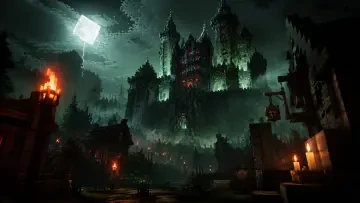
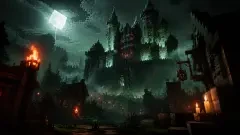
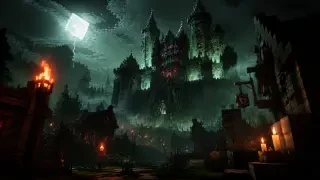
In The Haunted Castle the house is the antagonist, and the story spends its first minutes teaching you the floor plan so it can violate it later. A Corpse, Left Alone does the same thing with a gothic street: the architecture is described carefully, then the careful description stops matching what you saw. That gap is the scare, and it costs nothing to build.
The voice that is too glad to see you
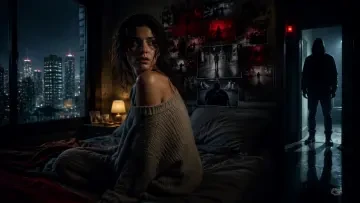
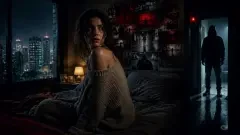
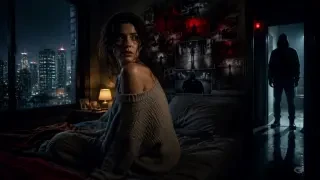
Just Monika: First Club Day is the cleanest example of tone doing the work: the character is warm, welcoming, and entirely in control, and the horror is that she never stops being warm. Every Breath You Take takes the same trick into a stalker story, where the frightening part is how reasonable the other person sounds while they explain themselves.
Three steps to your own horror scene
Pick one rule and one room
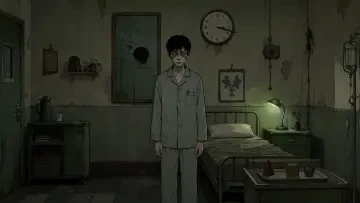
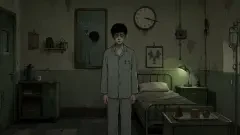
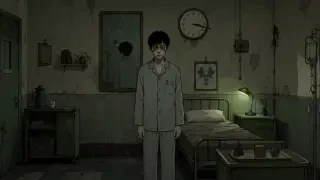
“A sanatorium room, do not answer the door after the second knock.” Two sentences, and the reader already knows what the scene is about. Skip the lore paragraph.
Write the ordinary version first
Twenty lines where nothing is wrong. Let the character be bored, or tired, or kind. The rule only has weight if the world before it feels survivable.
Break it and charge for it
The break should cost the reader something: a name given away, a route closed, a person they liked gone. Then stop writing. The quiet after the break is the part they remember.
Six scenes to open




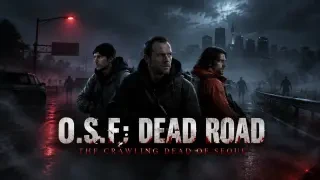
Read one, then write your own
Open the roleplay hub and describe a room with a rule in it. If you would rather see how the format handles a whole cast, the collection is open.
Built with the roleplay skill
Two named skills carry this format. roleplay holds the rule you set — the door, the name, the thing that must not be said — and keeps it consistent across a long conversation, which is what makes a scare land late instead of early. visual-novel turns the scene into a readable page with stills and choices, so the pacing you wrote survives the interface. If the story needs a face for the thing at the end of the corridor, character-sheet builds it separately, so the horror does not have to describe what it can show.
FAQ
What counts as a horror visual novel?
A story told through text, still images and choices, where the intended effect is fear rather than romance or mystery alone. The format is closer to reading than to playing: you advance lines, you pick options, and the tension has to come from what the writing withholds.
Do I need jump scares?
No, and they are usually a tell that the pacing is not working. A jump scare spends tension in one second; a rule the reader has been dreading for ten minutes spends it across the whole chapter. Use the scare to end a sequence, never to replace one.
How long should a scene be?
One room, one rule, one break. In practice that is ten to twenty minutes of reading. Longer chapters work when each one adds a new rule, not when each one adds a new monster.
Can an AI keep a horror story consistent?
It can hold a rule and a cast across a conversation if you state them plainly at the start and reinforce them once. What it will not do on its own is decide when to be quiet — that is still the writer’s job, and it is the part that matters most.
Is the content graphic?
It depends on the scene you write. The works on this page lean on atmosphere and implication rather than explicit gore, and you set the boundary for your own scene in the description.
Where do I start reading?
Pick the setting closest to something that already unsettles you — a hospital, a school, a house — and read one chapter. The mechanics are easier to learn from a room you already dislike.
Keep reading
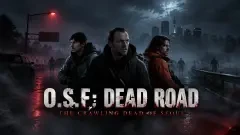
Platform: Neta Studio · Type: Use case · Horror visual novels · Hub: neta.art/app/roleplay · Works: A Corpse, Left Alone · Just Monika: First Club Day · The Haunted Castle · O.S.F; Dead Road · Every Breath You Take · White Elm Sanatorium: Room 17