
The Best AI Character Introduction Card Generator
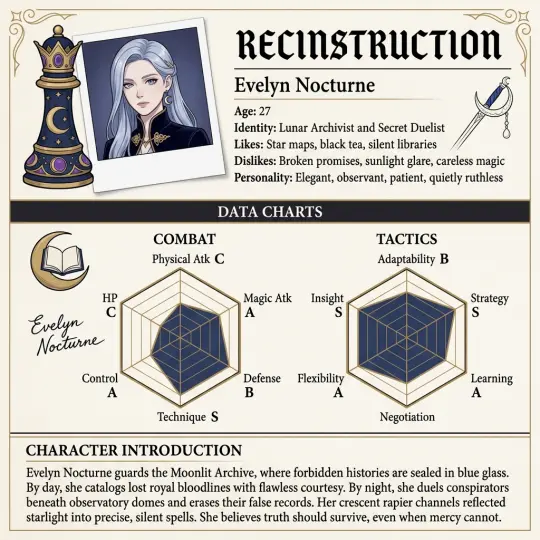
Generate character intro cards with AI — portrait, stats, personality, backstory in one frame, like iconic fighting game select screens.
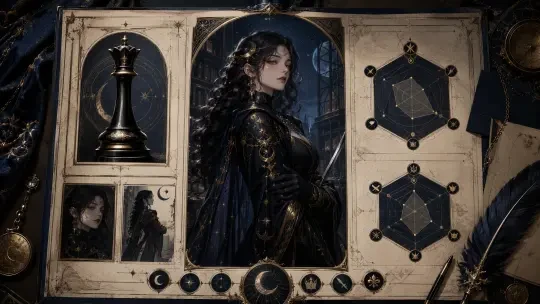
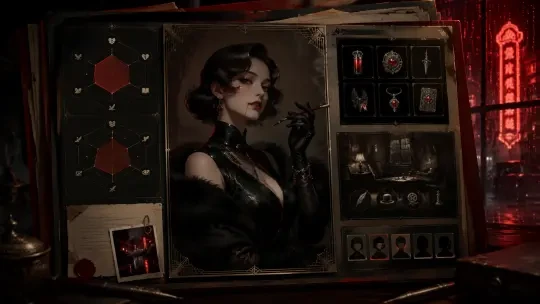
Introduce Your Character in One Frame
Describe your character in a single sentence and Neta Studio builds a complete intro card — portrait, stats, personality and backstory — ready to share, iterate or fork.
What Is an AI Character Introduction Card?
A character introduction card is a single, designed frame that tells an audience everything they need to know about a character at a glance: who they are, what they look like, what they are good at and why they matter. It is the same format that makes fighting game select screens iconic — one striking portrait, a name, a title and a handful of stats that instantly communicate personality. With Neta Studio, you skip the layout work entirely. You write a one-sentence brief, and the AI assembles the portrait, the profile fields, the tone and the visual style into a finished card you can keep refining.
- Portrait — a hero image of your character rendered in the style your brief implies, from noir photography to painted fantasy.
- Name and title — the headline identity, like an epithet on a select screen (“the Lunar Archivist”, “the Vampire Detective”).
- Stats — at-a-glance attributes that make abilities and strengths readable in seconds.
- Personality — short traits and tone that tell readers how this character thinks and speaks.
- Backstory — a compact origin that gives the card depth beyond the visual.
- Signature quote — an optional line of dialogue, the core of formats like quote cards.
Why the Select-Screen Format Works
Fighting game rosters, gacha unit pages and TTRPG character sheets all solve the same problem: making a character memorable before the story even starts. A great intro card compresses identity into one frame, so a reader scrolling past on social media, a player browsing a roster or a collaborator reviewing your world can understand the character immediately. That clarity is what turns a character from a name in a document into someone people want to follow, fan-art and talk about. Neta Studio lets you produce that clarity for every character in your cast without designing each layout by hand.
“A vampire detective working the rain-slick streets of 1930s Shanghai — show her portrait, her instincts, her weaknesses and the case that still haunts her.”
That is the whole brief. One sentence carries setting, genre, mood and story hooks, and Neta Studio expands it into a world board and a finished profile card in the spirit of Character Profile Card — Nyx, the Vampire Detective of 1930s Shanghai.
Featured Character Cards You Can Start From
The fastest way to learn the format is to open a finished card and fork it. Each featured work below shows a different approach to the same goal — introducing a character in one frame — and every one can become the starting point for your own cast. Swap the name, rewrite the brief, change the era or genre, and keep the layout logic that already works.
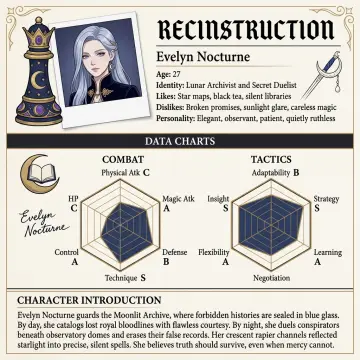
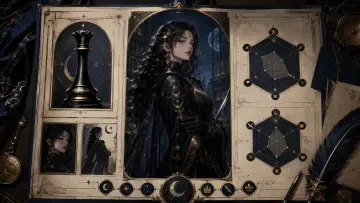
- Character Profile Card — Evelyn Nocturne, the Lunar Archivist — an archival-dossier take on the intro card. Start from it when you want your character presented like a classified file, a library record or a museum entry.
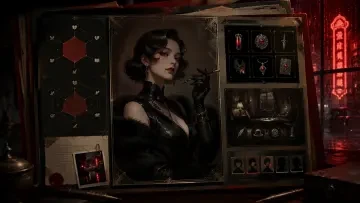
- Character Profile Card — Nyx, the Vampire Detective of 1930s Shanghai — a noir profile that blends period setting, supernatural lore and detective grit. Fork it for genre-mashup characters that need atmosphere and stats in the same frame.
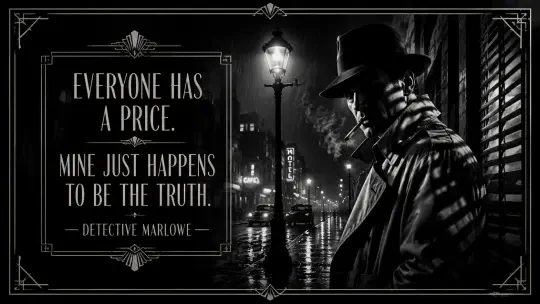
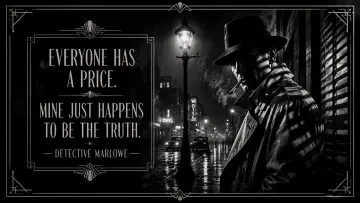
- Quote Card — Detective Marlowe, the Noir Detective — a card built around a single signature line. Use it as a template when the character’s voice matters more than their numbers.
How to Make a Character Intro Card on Neta Studio
Write a one-sentence brief
Describe who your character is, where they live and what defines them. Example: “A lunar archivist who catalogs forgotten stars, shown as a vintage dossier.”
Review the world board
Neta Studio expands your brief into a world board — setting, visual style, mood and character details — so you can confirm the direction before anything is generated.
Generate the card
The AI produces the portrait and lays out name, title, stats, personality and backstory in one frame, matched to the tone of your brief.
Iterate on any element
Adjust the stats, rewrite the backstory, push the art style darker or brighter, or switch from a profile card to a quote card — without starting over.
Publish, share or fork
Publish your card to Neta Studio, share it with your audience, or let others fork it the same way you can fork Character Profile Card — Evelyn Nocturne, the Lunar Archivist.
Example Prompts for Character Introduction Cards
- Archival dossier — “A star-cartographer exiled from the moon court, presented as a weathered archive file with stamped stats and handwritten notes.”
- Noir profile — “A jazz-club pianist who is secretly an informant in 1930s Shanghai, noir profile card with loyalty, charm and danger ratings.”
- Fighting game select screen — “A street brawler with mechanical arms, select-screen card with power, speed, defense and a one-line taunt.”
- Quote card — “A tired detective in a trench coat, quote card with his most famous line in large serif type over a rain-streaked portrait.”
- Fantasy party roster — “A healer who fears blood, RPG party card with class, alignment, strengths, flaws and a two-line backstory.”
Neta Studio vs Generic AI Image Generators
| Capability | Neta Studio | Generic image tools |
|---|---|---|
| Input | One-sentence brief expanded into a world board | Long, trial-and-error prompts |
| Output | Full card: portrait, stats, personality, backstory | A single image you must lay out yourself |
| Text on the card | Profile fields written to match the character | Often garbled or missing |
| Iteration | Edit stats, story or style without restarting | Regenerate and hope it improves |
| Templates | Fork published works like Quote Card — Detective Marlowe, the Noir Detective | Start from a blank prompt box |
| Beyond the card | Same character can grow into visual novels, worlds, videos and key art | Image only |
Who Uses AI Character Introduction Cards
Writers use intro cards to pitch a cast before the first chapter is finished. Game designers and indie developers use them to mock up select screens and roster pages. TTRPG players and game masters turn party members and villains into shareable profiles, and visual novel creators use them to introduce each route’s lead before the story begins. Fan creators and original-character artists use them to give their OCs a polished, consistent presentation — then fork cards like Character Profile Card — Nyx, the Vampire Detective of 1930s Shanghai to keep a whole cast in a matching style.
Anatomy of a Great Character Intro Card
The best introduction cards work for the same reason fighting game select screens do. Players read the whole character in one glance before they ever see a line of dialogue. On Neta Studio, every card you generate is built around five zones that do that job together, so the portrait, the numbers and the lore all describe the same person.
- Hero portrait — A pose, outfit and lighting that show the character's role before anyone reads a word.
- Name and epithet — A title line like "the Lunar Archivist" or "the Vampire Detective" that sets the hook instantly.
- Stat block — Numbers or bars for traits such as intellect, stealth or resolve, so readers can compare characters at a glance.
- Personality tags — Short descriptors that tell readers how the character talks, fights and decides.
- Backstory snippet — Two or three lines of history that make people want to open the full story.
A Closer Look at the Featured Cards
Character Profile Card — Evelyn Nocturne, the Lunar Archivist shows the archival-dossier style. Evelyn's portrait sits inside a layout that reads like a classified file, with her traits and history filed alongside like catalogued records. It suits scholars, mages and keepers of secrets, and any character whose mystique comes from what they know.
Character Profile Card — Nyx, the Vampire Detective of 1930s Shanghai pushes the same structure into noir. Period atmosphere, a sharp silhouette and a stat block that hints at both supernatural power and investigative instinct all share one frame. Quote Card — Detective Marlowe, the Noir Detective takes a different approach. It drops most of the stats and lets one line of dialogue carry the character, which makes it a strong companion card for a cast you have already introduced.
Profile Card or Quote Card: Choosing the Right Format
Use a profile card when readers are meeting a character for the first time and need the full picture: who they are, what they can do and where they came from. Use a quote card when the character is already known and you want to reinforce their voice, tease a story beat or post something quick and shareable. Many creators pair the two. Introduce a detective with a profile card in the style of Nyx, then follow up with a quote card in the style of Detective Marlowe.
Where Generic Image Generators Fall Short on Intro Cards
| Intro card task | Neta Studio | Generic AI image tool |
|---|---|---|
| Card layout | Portrait, stats, personality and backstory composed together | Produces a single image; you assemble the layout yourself |
| Character consistency | The world board keeps traits and lore consistent across cards | Each prompt starts from scratch |
| Starting point | Fork existing cards like Evelyn Nocturne or Nyx | A blank prompt box |
| Building a cast | Matching profile and quote cards share one world | Styles drift from character to character |
| Sharing | Publish, share and let others fork | Download and repost manually |
Iterating Until the Card Feels Canon
A first draft is rarely the final card. Neta Studio keeps your character's details on the world board, so you can make targeted changes without losing the core of the character. Raise a stat, sharpen a personality tag, rewrite one line of backstory or try a moodier lighting setup, and the rest stays consistent. Keep refining until the card reads like official art from your own franchise.
A vampire detective working the neon-lit alleys of 1930s Shanghai. Sharp coat, sharper instincts. Show her portrait, her stats for perception and bloodlust, three personality tags, and a two-line backstory.
A one-sentence brief like this is all you need to start. Neta Studio expands it into a world board, generates the card, and lets you iterate on each zone. It is the same path that leads to cards like Character Profile Card — Nyx, the Vampire Detective of 1930s Shanghai.
Publishing, Sharing and Forking Your Cards
Once a card feels right, publish it on Neta Studio and share it with your community, your tabletop group or your readers. Other creators can fork your work and build on its layout and style, the same way you can fork Character Profile Card — Evelyn Nocturne, the Lunar Archivist or Quote Card — Detective Marlowe, the Noir Detective. Over time, a single card can grow into a full roster of rivals, allies and side characters.
Character Intro Card FAQ
Do I need design skills to make a character intro card? +
No. Describe your character in one sentence and Neta Studio builds the world board and composes the portrait, stats, personality and backstory into one card.
Can I start from an existing card instead of a blank prompt? +
Yes. Fork a featured work such as Character Profile Card — Evelyn Nocturne, the Lunar Archivist or Character Profile Card — Nyx, the Vampire Detective of 1930s Shanghai, then swap in your own character.
What is the difference between a profile card and a quote card? +
A profile card gives the full introduction: portrait, stats, personality and backstory. A quote card, like Quote Card — Detective Marlowe, the Noir Detective, focuses on one signature line that captures the character's voice.
Can I keep a whole cast visually consistent? +
Yes. Because each card is generated from a world board, characters from the same story share a coherent setting, tone and layout, much like a fighting game roster.
Can other people remix my cards? +
When you publish on Neta Studio, others can discover your card and fork it. That lets your format inspire new characters while your original stays intact.
Start Creating
Turn a one-sentence idea into a select-screen-worthy character card, then publish it, share it and grow your roster.