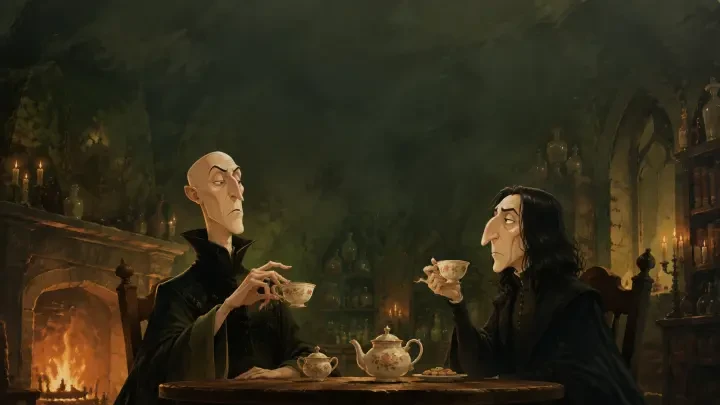
The Best Anime Dialogue Timing AI Tool
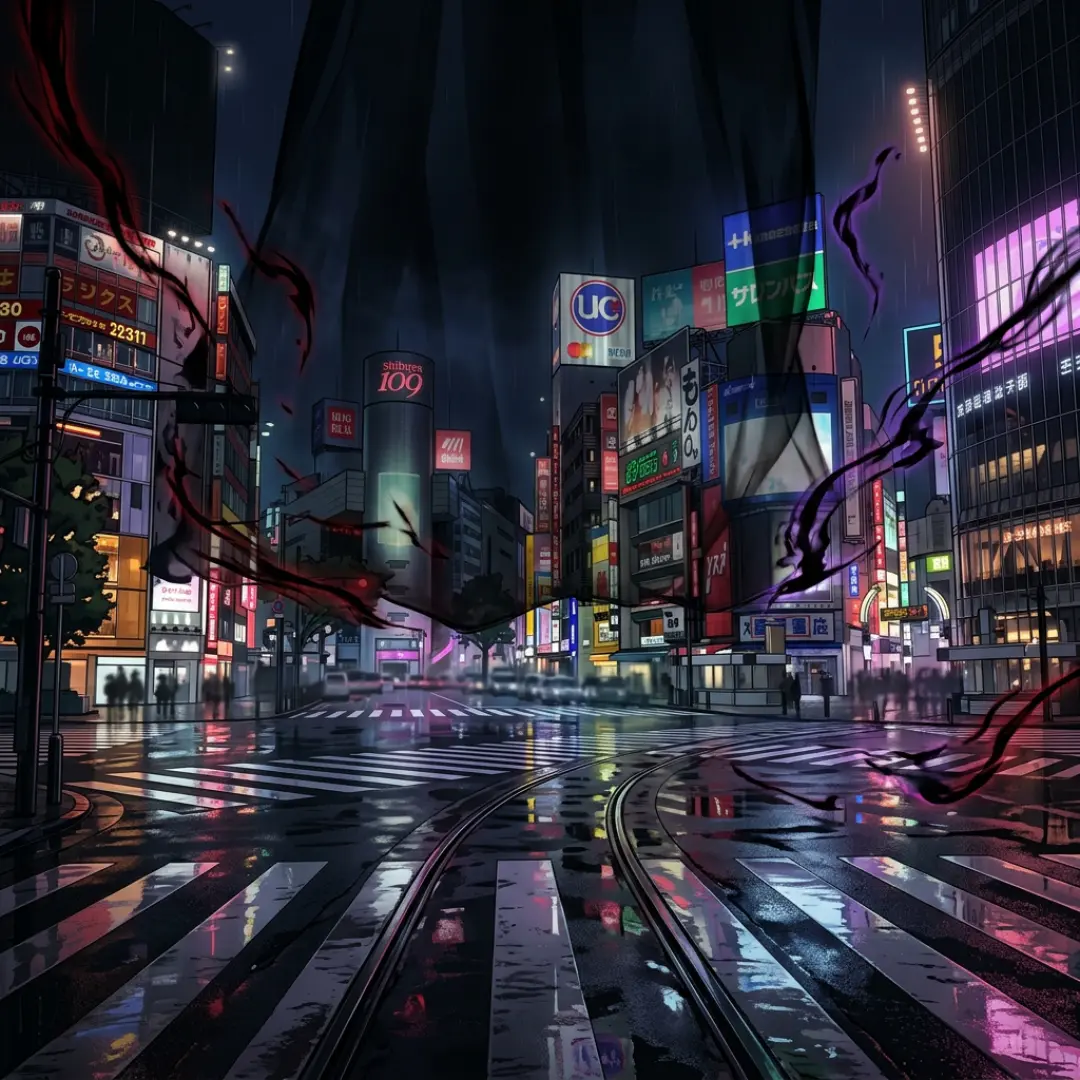
Build dialogue-driven visual novels where characters speak in their own rhythm — pauses, interruptions, held silences. See real examples and fork working templates.

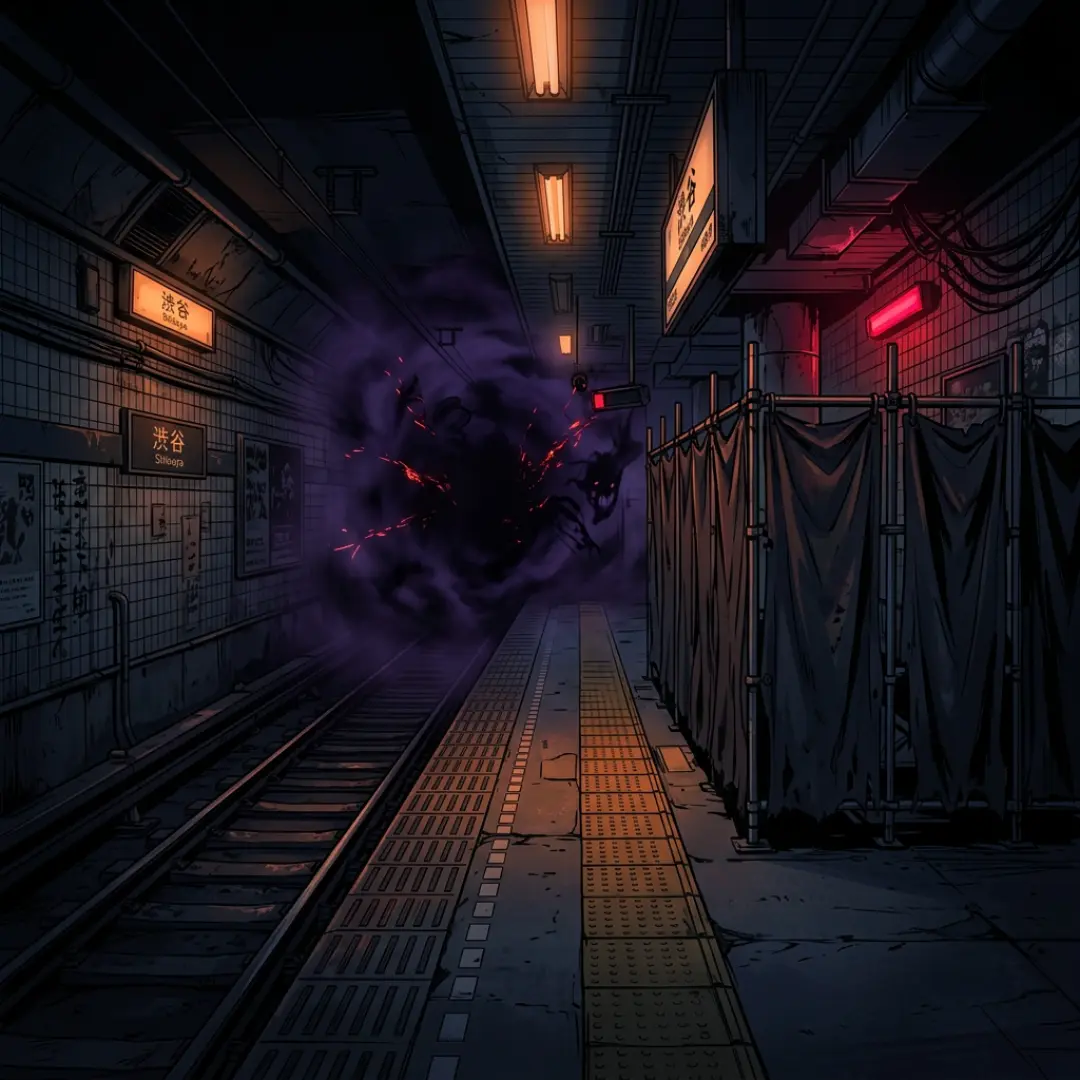
Write anime dialogue that lands on the beat
Pauses, interruptions, held silences — one sentence describes the rhythm, and the AI writes the whole scene around it. Start free on Neta Studio.
What It Does
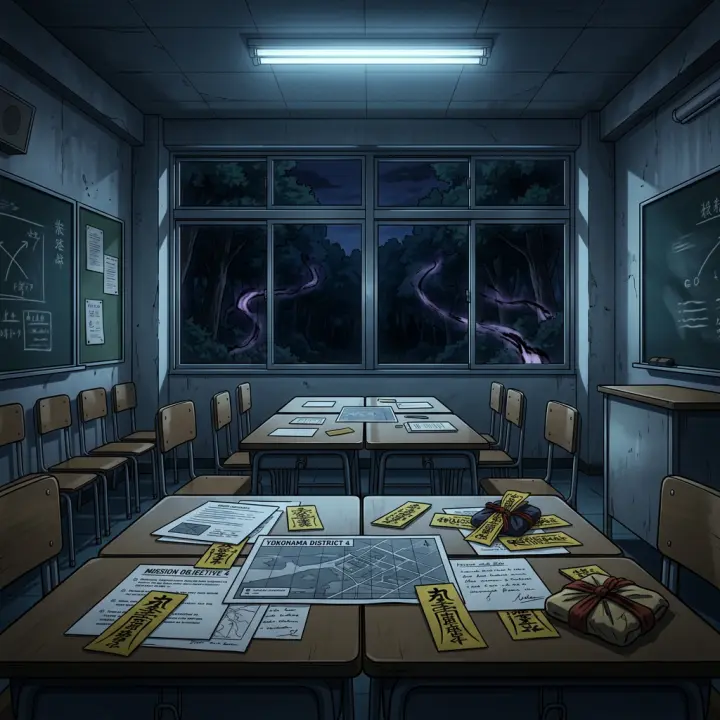
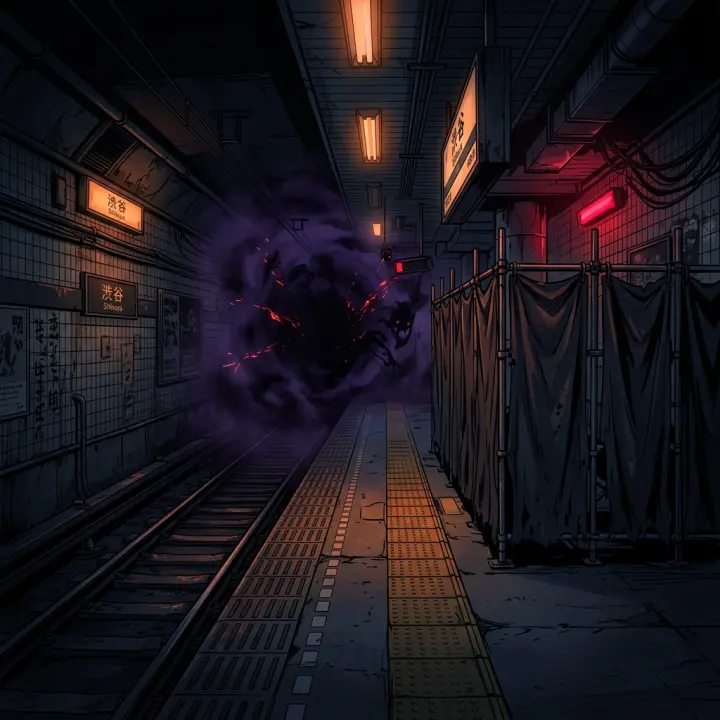
The best anime dialogue timing AI tools treat pacing as a structural element — not an afterthought. When you describe a scene on Neta Studio, you describe the rhythm: the pause before a confession, the overlap when someone interrupts, the held silence after a revelation. The AI turns that rhythm into dialogue with built-in timing, so scenes land the way anime scenes land — emotionally, on the beat. Try it on the Shibuya Eve Galgame and feel the difference.


The Problem with Most AI Dialogue Tools
Most AI writing tools ignore timing entirely. They output dialogue as a flat script — Character A says this, then Character B says that. No pauses. No interruptions. No silence. The result reads like a customer service transcript, not a dramatic scene. Dialogue timing is what separates words from moments, and it is exactly what most generators leave out.
- Flat scripts — "Character A says this, then Character B says that." No pauses, no overlaps, no silence.
- No timing control — you cannot tell the AI to hold a silence or cut a beat short.
- One voice for everyone — every character speaks in the same even rhythm, so tension never builds.
- Reads like a transcript — the output feels like a customer service log, not a dramatic scene.
A dialogue tool is only useful if it can control the rhythm of a scene. Neta Studio writes pauses, interruptions, and silences into the structure — so the timing is part of the output, not an accident.
Dialogue Timing in Practice
Character A: "I need to tell you something."
(2-second pause — Character B looks up from their book)
Character A: "I... I have liked you. Since the first day."
(Silence. The clock ticks. Character B's book slides from their lap.)
Character B: "...I know."
Character A: "Listen, I've been thinking about what you said and I—"
Character B: "Don't."
Character A: "But I need to—"
Character B: "I said don't."
The pause is the scene. Without it, the confession is just information. With it, the confession is a moment — and the interruption is a power move the audience feels because the timing tells them to.
How It Works
Pick a World
Start from a dialogue-driven world like the Shibuya Eve Galgame or the Truth Serum Mini-Theater — every world ships with forkable scene templates, sprite sets, and backgrounds. Inherit the structure, then make it yours.
Describe the Rhythm in One Sentence
"Two characters meeting after a year apart. Awkward small talk that neither cares about, a long pause, then the real conversation bursts out all at once." The rhythm is the brief — the AI builds the scene around it.
AI Generates Timed Dialogue
The AI writes the scene with built-in pacing: pauses, interruptions, overlaps, and held silences. Each character gets their own speech pattern — short clipped sentences for one, rambling for another.
Refine & Playtest
Experience the scene in the browser. Slow a beat down, cut a pause, let a character interrupt sooner. Every iteration keeps the story and retimes the emotion.
Publish & Share
Publish the visual novel, share the link, or fork the template to build your next scene. The branching structure, the timing system, and the speech patterns are all preserved.
Real Results
These are real works generated on Neta Studio — open them, play the scenes, and feel how the timing works. Each one treats pauses, interruptions, and silences as part of the scene structure, not decoration.
Fork a Working Template
Every visual novel on Neta Studio is forkable. See a dialogue scene that works? Fork it. The branching structure, the timing system, and the character speech patterns are all preserved — you swap in your own story and characters, and the rhythm stays.
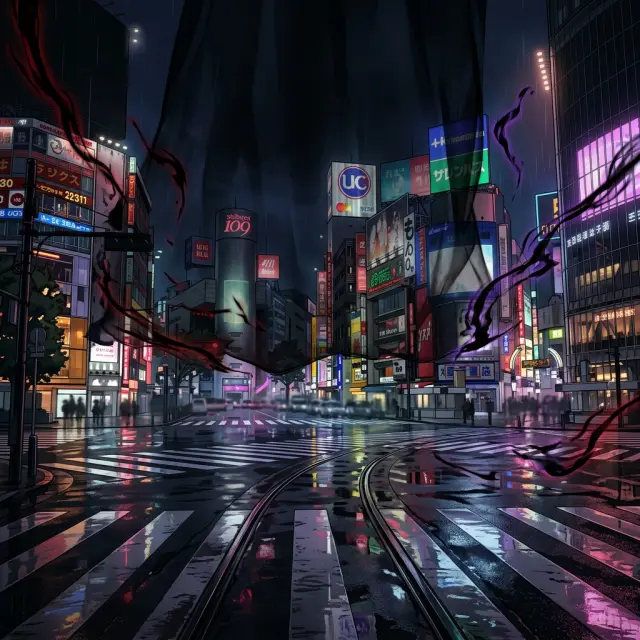
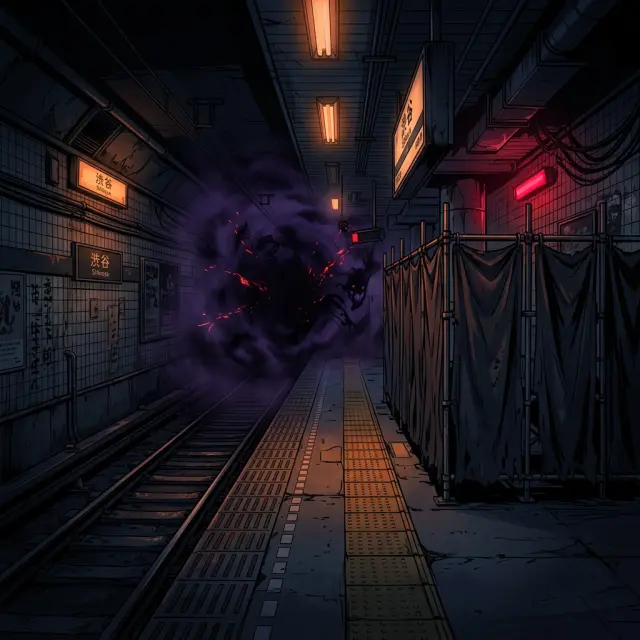
- Shibuya Eve Galgame — a Jujutsu Kaisen visual novel the night before the Shibuya Incident; branching dialogue with timed emotional beats. Open it →
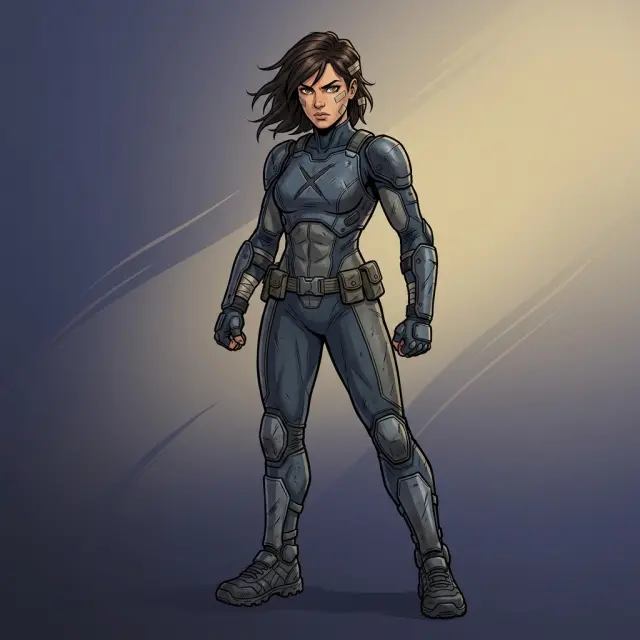
- The Boys Galgame — an LLM-powered visual novel where choices shape what characters say and when they say it. Open it →
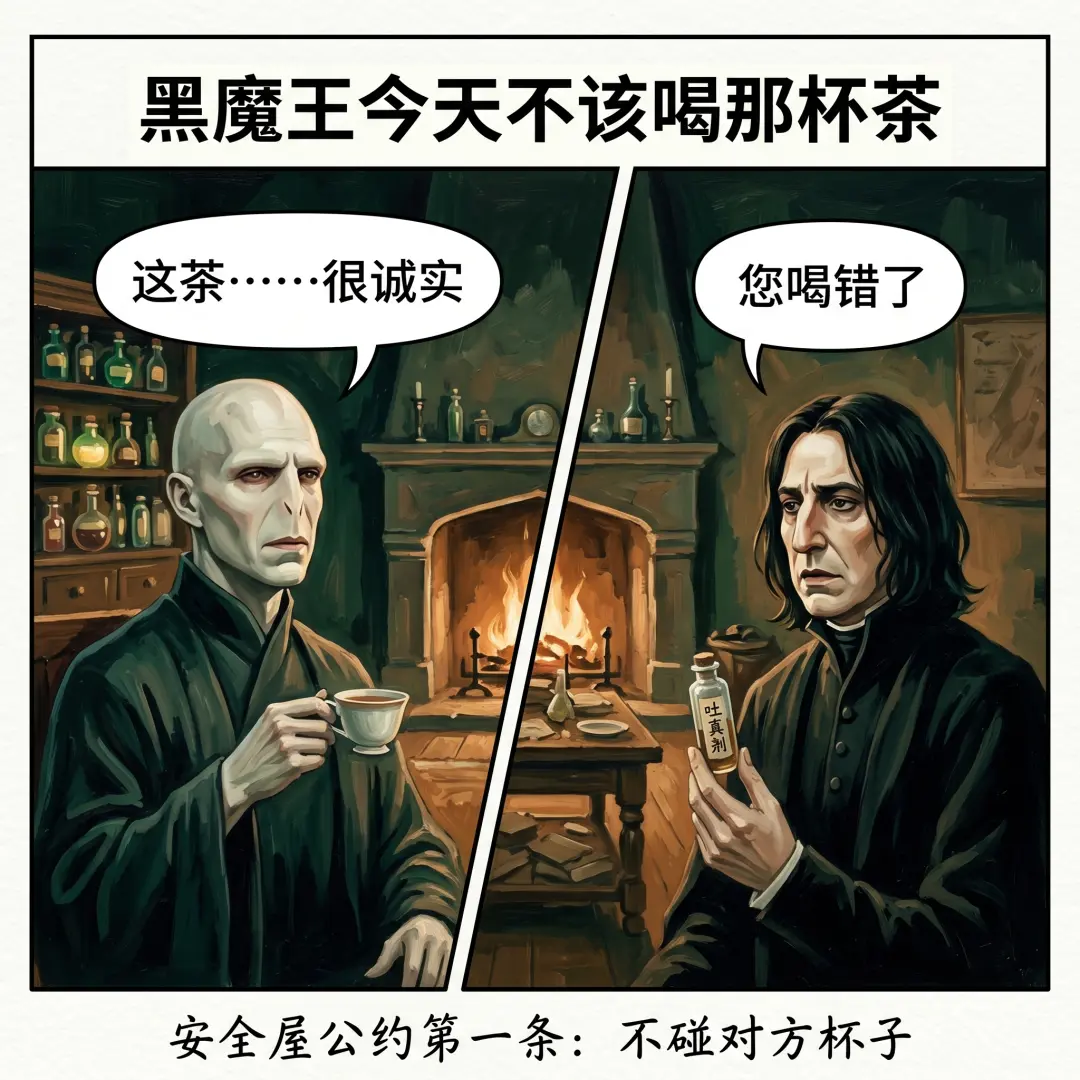
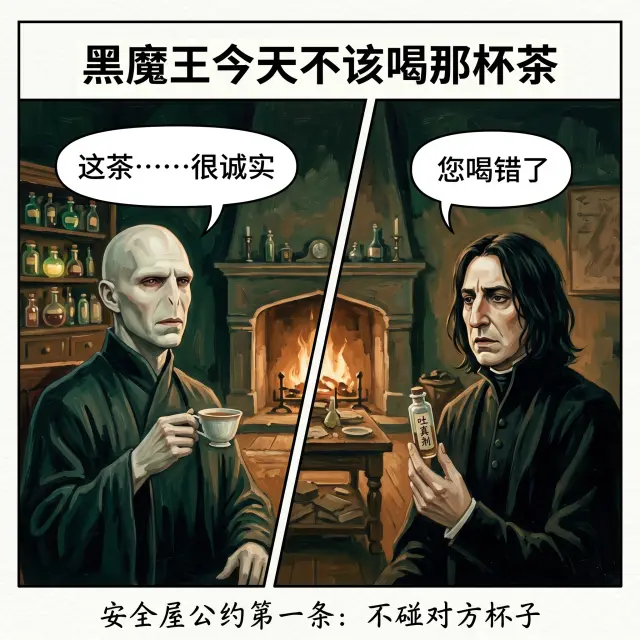
- Truth Serum Mini-Theater — an interactive theater where timing creates comedic tension and punchlines land on the beat. Open it →
See a scene that works? Fork it. The branching structure, the timing system, and the speech patterns are preserved — swap in your own story and characters.
Core Capabilities
- Timed Dialogue Generation — describe the rhythm ("a long pause, then the real conversation bursts out") and the AI writes dialogue with built-in pacing.
- Pause & Silence Control — hold a silence for two seconds or five; the ambient sound becomes the loudest thing in the room.
- Interruptions & Overlap — characters cut each other off and speak over one another; the overlap is written as structure, not an accident.
- Per-Character Speech Patterns — short clipped sentences for one character, rambling for another; the AI keeps every voice distinct.
- Branching Routes with Responsive Timing — player choices change not just what characters say but when they say it.
- Playtest & Iterate — experience the scene, slow a beat down, cut a pause, and re-roll the timing instantly.
From Brief to Scene in Minutes
Neta Studio integrates text, image, and web generation into one pipeline, so a timed dialogue scene goes from description to playable visual novel in minutes — dialogue boxes, sprite poses, backgrounds, and branching routes all generated from the same brief.
Write one sentence or paste a full scene description; the LLM expands it into a structured script with stage directions, beats, and speech patterns.
The dialogue engine writes lines with pauses, interruptions, and held silences — timing is a first-class part of the output, not an afterthought.
Template engines lay the scene across dialogue boxes, sprite poses, and backgrounds — like the Shibuya Eve Galgame and Truth Serum Mini-Theater.
Publish an interactive visual novel, share the link, or fork the template to build your own dialogue-driven story.
Why Neta Studio
Neta Studio is not just another AI dialogue generator — it is a complete AI world-building platform where timing is a structural element. You describe the rhythm, the AI writes the scene, and the result is a playable, forkable visual novel you can share with one link.
Timing as structure, not luck — pauses and overlaps are written into the scene model, so every regenerated line keeps the rhythm you asked for.
Real, forkable examples — the Shibuya Eve Galgame, The Boys Galgame, and Truth Serum Mini-Theater are live works you can open, play, and remix.
One sentence to a scene — describe the emotional rhythm and the AI handles the rest: dialogue, pacing, branches, and presentation.
FAQ
What is dialogue timing in an AI visual novel tool? +
Dialogue timing is the rhythm of a scene — where the pauses fall, who interrupts, and when silence holds. In anime, a 0.8-second pause before a confession or a held silence after a revelation is what makes a scene land emotionally. On Neta Studio, that rhythm is written into the scene structure, not left to chance.
Can Neta Studio really generate pauses and interruptions automatically? +
Yes. When you describe the rhythm — "awkward small talk, a long pause, then everything bursts out" — the AI writes stage directions, pauses, overlaps, and silences as part of the dialogue. Try it on the Shibuya Eve Galgame and see the timing built into every scene.
How do I control the pacing of a specific scene? +
Describe the silence and the beats: "After the revelation, nobody speaks for 5 seconds. The rain on the window becomes the loudest thing in the room." Then playtest and refine — slow a beat down, cut a pause, or let a character interrupt sooner. The AI re-times the scene while keeping the story.
What is a forkable visual novel template? +
Every visual novel on Neta Studio — like the Shibuya Eve Galgame or Truth Serum Mini-Theater — can be forked. Forking copies the branching structure, the timing system, and the character speech patterns, so you can swap in your own story and characters without starting from zero.
Do I need to write code to build a dialogue-driven visual novel? +
No. Describe the world and the rhythm in plain language, and the AI generates the scene with built-in pacing. You playtest in the browser, refine with natural-language instructions, and publish with one click.
Can I remix the Shibuya Eve Galgame or The Boys Galgame? +
Yes — open the work, fork it, and swap in your own story, characters, and timing. The branching routes and speech patterns come with the template, so your remix keeps the same dramatic rhythm from the very first scene.
Start Creating
Describe the rhythm, feel the scene, fork the template — pauses, interruptions, and silences included. Free to start, no coding.